

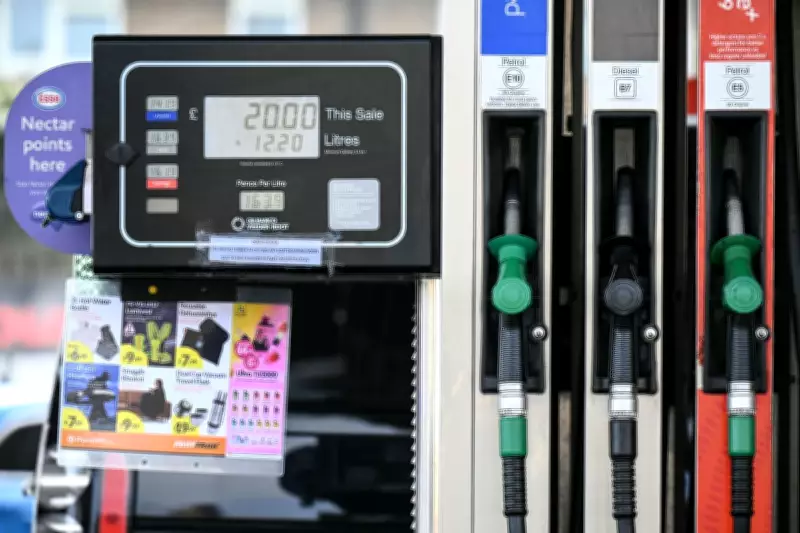
Diesel Prices Soar to Three-Year High as Middle East Conflict Impacts Motorists
The average price of unleaded petrol has risen by over 14p per litre since late February, reaching 147.19p, according to the latest figures. This significant increase adds approximately £8 to the cost of filling a typical family car, now totalling £81, as reported by the RAC. Petrol prices have not been at this elevated level since early June 2024.
Diesel Drivers Face "Far Worse" Situation
For drivers of diesel vehicles, the situation is described as "far worse" by industry experts. A litre of diesel has surged by 29p to 171.17p, marking its highest price since mid-January 2023. This means a full tank now costs £94, which is £16 more than at the start of the Middle East conflict.
Simon Williams, head of policy at the RAC, commented: "Given how many rely on their cars, households are really feeling the effects of the conflict in the Middle East. As a barrel of oil has been trading well over 100 dollars for the last three days and looks set to remain at that level, drivers are in for a rough ride at the pumps in the run-up to the Easter break with no end to price increases in sight."

Williams further warned that with petrol likely to exceed 150p a litre in the coming week and diesel heading towards 180p, this Easter could be the most expensive on the roads since the early days of the war in Ukraine in 2022.
Broader Economic Pressures and Mortgage Market Impact
The fuel price spike coincides with broader economic pressures, including a shrinking mortgage market. Analysis from financial information website Moneyfacts reveals that the choice of mortgage deals has shrunk by nearly a fifth over the past couple of weeks, with nearly 1,500 fewer deals available.
As of Monday morning, there were 1,492 fewer residential mortgage products compared to March 9, representing a 19.5 per cent reduction. Since last Thursday alone, 744 deals have disappeared. This contraction follows the Bank of England's decision to hold the base rate at 3.75 per cent, coupled with heightened forecasts for UK inflation.
Lenders have been scrambling to increase mortgage rates and withdraw products amid changing inflation expectations, with the conflict in the Middle East exacerbating price pressures across the economy.
The interconnected nature of these issues highlights how geopolitical tensions can ripple through consumer markets, affecting everything from daily commuting costs to long-term financial planning for homeowners.






