Sussan Ley's Leadership Ends After Angus Taylor Challenge
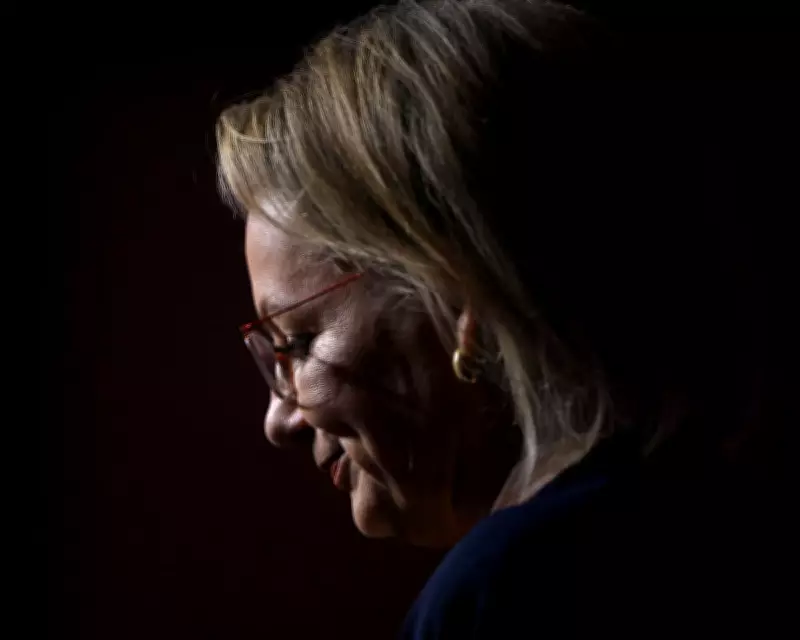
Sussan Ley has lost the Liberal party leadership following a challenge by Angus Taylor, marking the end of her 276-day tenure. Ley, who became the first female leader in the party's 81-year history in May 2025, promised to revive and reorient the Liberals after catastrophic election defeats. However, her moderate approach faced relentless opposition from conservative factions, leading to her downfall.
Promises Unfulfilled Amid Internal Strife
In her initial public comments as leader, Ley emphasized creating a Liberal party that respects, reflects, and represents modern Australia, aiming to connect with female voters, young people, migrants, and climate-conscious citizens. She positioned herself as a "zealot" for attracting women to the party, implicitly criticizing the detachment under previous leaders Scott Morrison and Peter Dutton. Despite these aspirations, Ley's leadership was plagued by internal undermining from colleagues, belligerence from the Nationals, and criticism from Murdoch media outlets demanding a rightward shift.
One Liberal MP noted that conservatives never accepted Ley, a moderate endorsed by rival factions, stating, "The right of the party were never going to accept Sussan as the leader. She was not in the boys' club." This sentiment was echoed by allies who believed she faced insurmountable challenges from the start.

Strategic Missteps and Policy Vacuum
Ley's promise to avoid "captain's calls" and consult widely backfired when she initiated a review of the net zero emissions target, giving critics an opening to dismantle the policy. After the Nationals abandoned the target, pressure from senior conservatives like Taylor forced Ley to follow suit, damaging the party's environmental credentials and failing to stem support losses to One Nation. A Liberal MP commented, "Sussan should have kept our policy suite from the last election and sought to evolve it. Instead, we started afresh, and that policy vacuum allowed those with baser instincts to fill the void."
Further misjudgments included overreaching in public statements, such as criticizing Prime Minister Anthony Albanese for wearing a Joy Division T-shirt and accusing Foreign Affairs Minister Penny Wong of not shedding tears after the Bondi massacre. These incidents raised doubts about her judgment among colleagues.
Coalition Fractures and Accelerated Downfall
The Coalition experienced two splits under Ley's watch, largely driven by the Nationals, exacerbating her leadership struggles. Conservatives had planned a challenge around the federal budget in May, but chaos from the second split accelerated the timing. After a horror Newspoll showed the Coalition's primary vote collapsing to 18%, Taylor resigned from shadow cabinet, and allies requested a meeting to end Ley's leadership. Ten frontbenchers visited her office, with most being factional rivals, signaling the end was near.
Senator James Paterson, who resigned from shadow cabinet to support Taylor, warned, "This cannot go on. If it goes on, there'll be nothing left of the Liberal party by the next election." Ley's attempts to salvage peace, including bowing to conservatives on net zero and immigration cuts, proved futile against the mounting challenge.
Legacy of a Short-Lived Leadership
History will likely record Ley's tenure as an abject failure, taking over the party at its lowest ebb and driving it even lower. Despite her vision to reconnect with modern Australia, internal divisions and strategic errors prevented any meaningful progress. The relentless pressure from rightwing media, Nationals, and conservative MPs ultimately sealed her fate, highlighting the deep-seated conflicts within the Liberal party as it grapples with its future direction.