
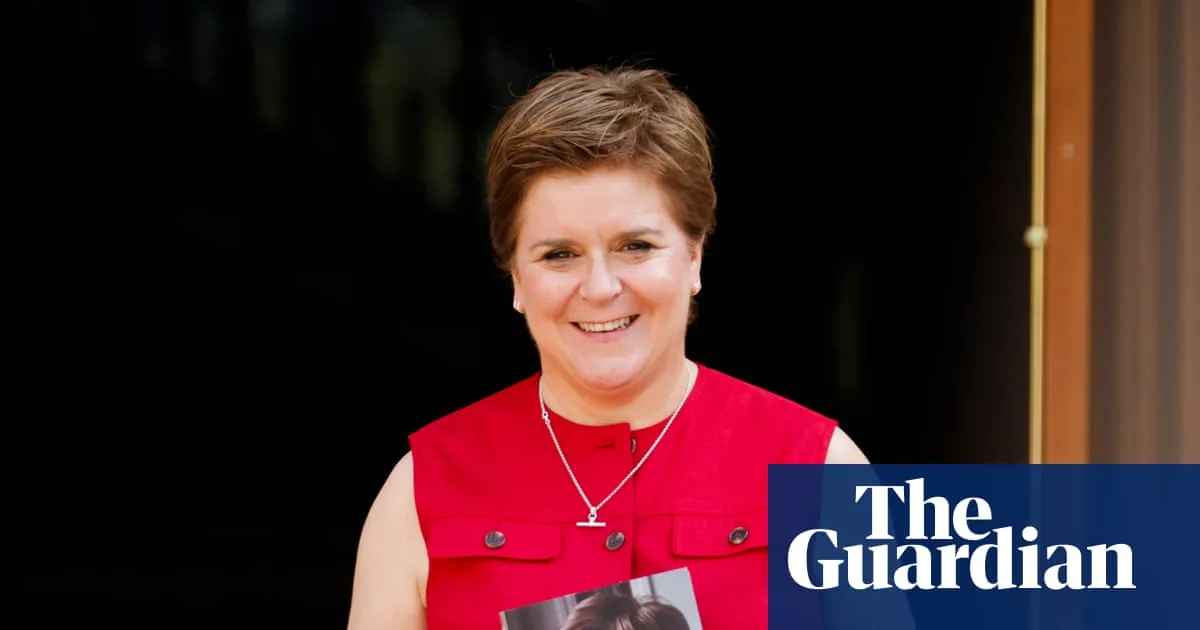
Nicola Sturgeon’s month-long promotional tour for her memoir Frankly concludes on Friday at London’s Southbank Centre, with the former first minister revealing she may move south to escape Scotland’s ‘goldfish bowl scrutiny’. The book, released on 12 August, has sparked fierce debate, particularly over her refusal to apologise for her government’s handling of the Alex Salmond investigation and gender recognition reforms.
Critics have accused Sturgeon of ignoring her own administration’s shortcomings. The memoir fails to address her presidential leadership style, lack of succession planning, and policy failures on education, ferries, and drug deaths. Her depiction of Salmond as a ‘lazy, bullying opportunist’ was denounced as ‘cruel’ by his family, while her stance on gender reforms has been condemned as divisive.
Within the SNP, opinion is polarised. Some activists express nostalgia for a more inclusive independence movement, while others privately resent the timing of the book’s release, nine months before the Holyrood elections. One former MP said: ‘Rehashing all these things ahead of the election is bad for the party. Publishing now only serves herself.’
Sturgeon remains popular with many members, and her book events have evoked a sense of loss for the optimism of the 2014 referendum era. However, discontent runs deeper, with figures like Mhairi Black quitting the party over its current direction. Another former MP noted: ‘A lot of us are questioning whether the party is a natural fit any more.’
As the SNP faces challenges including rising Reform support, falling membership, and the departure of experienced MSPs like Kate Forbes, leader John Swinney is under pressure to produce bold policies before next May’s vote. The party still leads Holyrood polls, but internal fractures suggest a difficult road ahead.




