
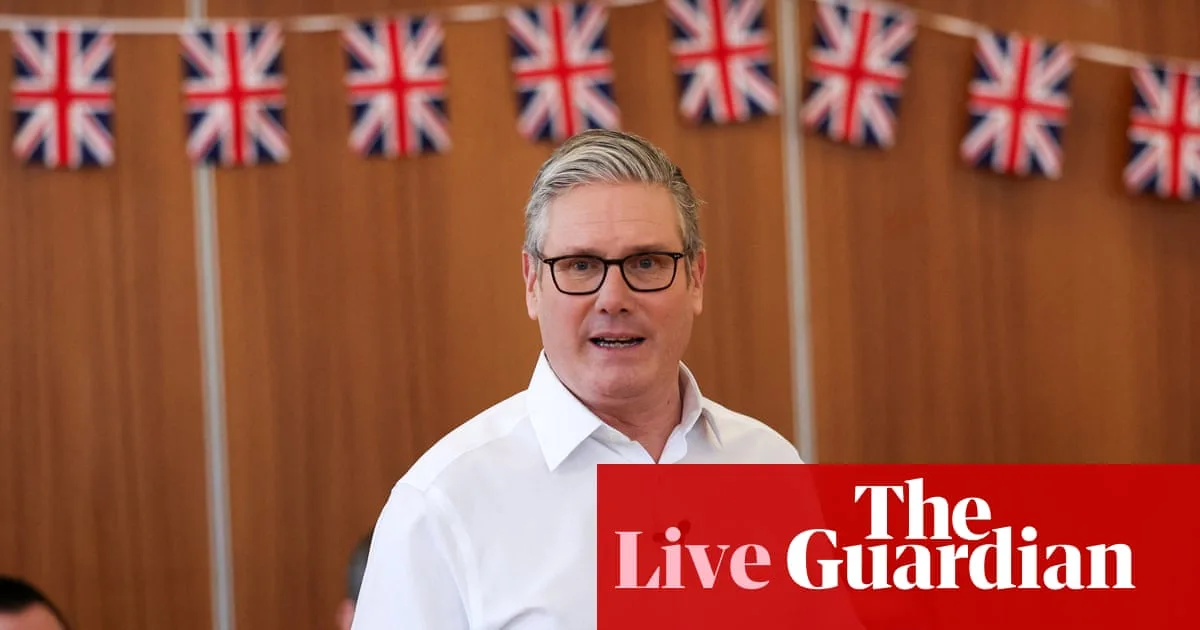
Andy Burnham, the Mayor of Greater Manchester, offered his full support to Prime Minister Keir Starmer during a speech at the Resolution Foundation conference on “Unsung Britain.” Burnham said his support “wasn’t qualified or guarded,” and praised the government for breaking with past policies on bus reregulation, rail renationalisation, and ambitious housing plans.
Burnham called for “greater unity” within the Labour Party, describing a “generational moment in politics” and urging the government to work with devolved authorities. He highlighted examples of joint initiatives such as free bus travel for 16-year-olds and the Manchester baccalaureate (MBacc) as steps supporting working-class Britain.
The mayor emphasised rail nationalisation as a key example of a new economic approach, saying that having frozen rail fares, the goal should now be lowering them. He argued that public control could bring benefits and urged stability through a more inclusive party approach.
Burnham also addressed bond market concerns, clarifying he never said Britain should ignore them, but that political decisions from the 1980s onward had left the country with little room for manoeuvre. He called for an end to an era when politicians got too close to wealth and deregulated markets.
During his speech, Burnham expressed a desire for the government to commit to building 500,000 council and social homes by the end of the decade. He reflected on how “Unsung Britain”—the poorer half of working-age families—had been neglected since the 1970s, when council housing and technical education provided foundations for aspiration that were later broken up.




