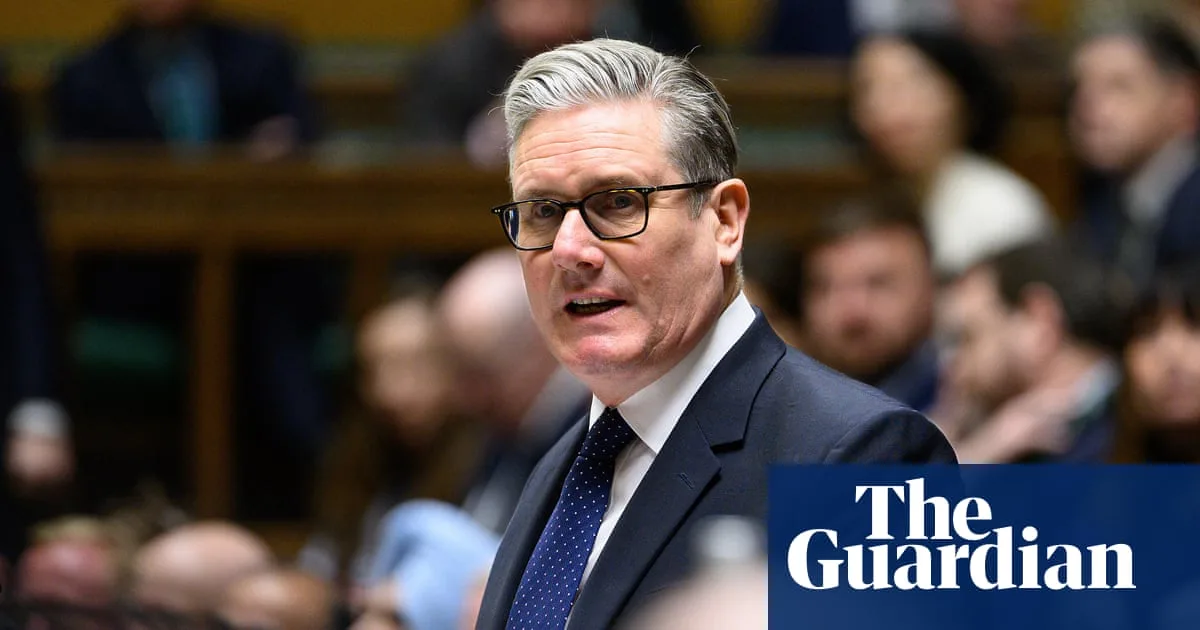
Prime Minister Sir Keir Starmer has adopted a strategy of policy reversals on unpopular issues, drawing comparisons to the Conservative Party's 2015 election approach of 'scraping the barnacles off the boat'. The tactic, devised by Australian strategist Lynton Crosby, involved shedding unpopular policies to focus on core issues like the economy and immigration. Starmer is now applying a similar method, prioritising the cost of living in cabinet meetings and public messaging, while sanctioning U-turns on digital ID cards, farmers' inheritance tax, and business rates for pubs.
The most recent reversal involves mandatory digital ID cards, which faced strong social media backlash and poor polling. Ministers have abandoned the mandatory aspect, leaving open the option of using other documents to prove the right to work. Other potential reversals include plans to limit jury trials, following opposition from MPs, peers, and legal figures. However, a ban on social media for under-16s is not considered a U-turn, as the government had always kept an open mind on the policy.
Cabinet ministers confirmed that Starmer has explicitly told them to focus on the cost of living, stating that 'every minute that we’re not talking about the cost of living is a wasted minute'. One minister described U-turns as 'not optimal but preferable if you need to move on from policies which are high salience and low approval'. Another stressed the need to 'rip the plaster off' and avoid prolonged periods of U-turns, acknowledging frustration over 'unforced errors' like the rushed ID card policy.
Downing Street insiders insist the emphasis on the cost of living is a sustained priority, not a temporary soundbite. However, some within government attribute the U-turns to a lack of grip, with one source describing 'absolute chaos and madness every day' in policy formation. A Labour source warned that repeated reversals are damaging loyalty among MPs, reducing their willingness to defend the government and emboldening dissent. A cabinet minister also questioned the prime minister's judgment, saying the U-turns have given the public 'the worst first impression'.