Starmer's Pivot: Embracing a More Authentic and Combative Leadership Style
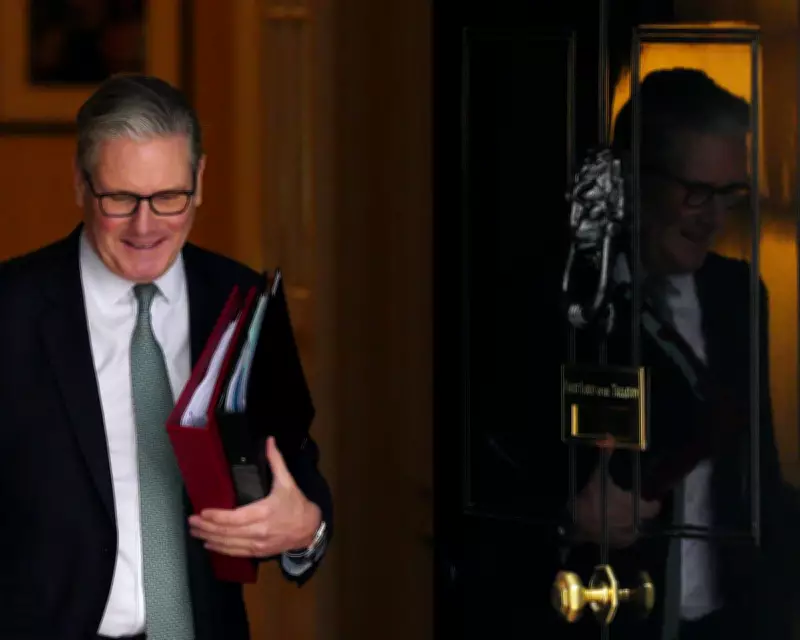
Senior figures within the Labour Party are urging Prime Minister Keir Starmer to demonstrate a stronger, more vocal defence of core Labour values. This call comes amid a turbulent period marked by internal dissent and external challenges, with insiders suggesting a significant shift in strategy could be underway.
A Dark Week and a Symbolic Gesture
Following a difficult week that saw the departure of his long-serving chief of staff, Morgan McSweeney, and ongoing controversies over peerage appointments, Starmer made a notable move by publicly condemning comments from billionaire Jim Ratcliffe. Ratcliffe, the Monaco-based owner of Manchester United, had made inflammatory remarks about immigration, which Starmer swiftly labelled as "offensive and wrong" in a tweet, asserting Britain's pride in its diversity.
This action, though small in scale, is viewed by aides as symbolic of a broader transformation. One adviser noted, "A few months ago, we would not have done that. There would have been internal debates over appearing soft on immigration. But now, we're aligning with the prime minister's true convictions without hesitation."

Survival and Strategy Amidst Political Turmoil
Despite widespread anger among MPs and the public over the past 18 months, Starmer's premiership is not necessarily doomed. Cabinet members believe the lack of a credible successor and the chastening effect of a failed coup attempt—led by Scottish Labour leader Anas Sarwar, who called for Starmer's resignation without garnering support—mean he could survive longer than anticipated.
Electorally, while some polls place Labour in third or fourth position, strategists remain optimistic. The gap with Reform UK is typically five to eight points, and tactical voting against Nigel Farage's party often benefits Labour. However, a notable exception exists where many voters prefer the Greens in direct contests with Labour.
Testing the Waters: The Gorton and Denton Byelection
The shift from Labour to Green support will be tested in the upcoming Gorton and Denton byelection, a once-safe Labour seat now contested by Labour, the Greens, and Reform UK. Labour sources express growing optimism, citing a record number of volunteers and a strategy that warns progressive voters about Reform's divisiveness while attacking the Greens' liberal drug policies, such as their stance on legalising GHB.
To succeed, Labour must avoid alienating its core progressive base. A senior minister emphasised, "We must change the habit of gratuitously angering our own voters by failing to defend our values on issues like racism or diversity. This has driven away our supporters while trying to appease Reform-curious voters."
Internal Blame and New Approaches
Morgan McSweeney, the former chief of staff, often bore the blame for blocking Starmer from vocally defending Labour values, though he advocated for aggressive tactics against Farage. Senior figures close to Starmer, including chief secretary Darren Jones and acting co-chief of staff Vidhya Alakeson, now push for a more robust defence of party principles, as seen in responses to controversies involving X's AI tool Grok and attacks on Reform's policies.
Past failures, such as the muted response to Conservative shadow minister Katie Lam's comments on deportation, sparked internal fury. Starmer was not consulted until days later, leading one ally to call it "a farce." Aides admit that trying to ape Reform on cultural issues backfired, alienating Labour's base without gaining new support.
Redefining the Core Vote and Policy Shifts
Newer staff in Labour HQ and No 10 acknowledge that the "hero voter"—working-class, white, older, pro-Brexit individuals—did not deliver the 2024 election victory. Instead, research shows Labour's success came from younger, graduate, liberal, and pro-Remain voters, particularly stretched professionals in aspirational areas facing cost-of-living pressures.
For these voters, Starmer is considering policies like a ban on social media for under-16s, popular with parents but previously rejected as anti-growth. However, relentless controversies have hindered strategic shifts, such as a planned speech on values that was overshadowed by the Mandelson scandal.

Challenges in Leadership and Communication
With key roles like chief of staff and communications chief unfilled, Starmer lacks senior aides to solidify a new approach. His leadership faces ongoing threats, and there is a perception that he shows little loyalty or appreciation to his team. Most architects of his campaign have left, leaving only a few long-serving advisers like Stuart Ingham.
Communications efforts have struggled to showcase Starmer's authentic voice, often reverting to robotic talking points. However, staff agree that he sounds most genuine when angrily reacting to Reform. If Labour wins the Gorton and Denton byelection, Starmer may feel empowered to continue this combative stance, as one friend noted, "He has decided he is up for this fight, often ahead of his own operation."