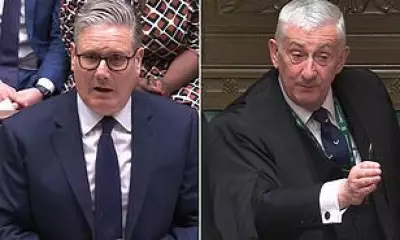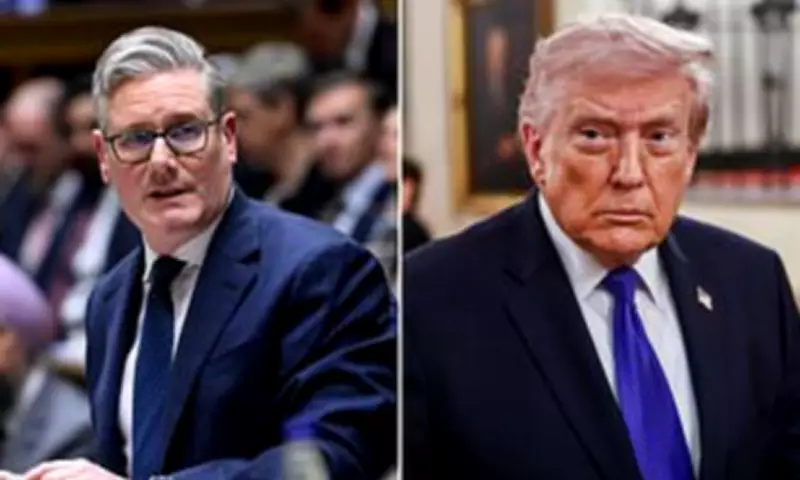
Prime Minister Keir Starmer was labelled delusional on Thursday evening after asserting he maintained control over the escalating Middle East crisis. During an emergency press conference, Starmer portrayed his approach as delivering "calm, level-headed leadership," but his claims were met with widespread scepticism and condemnation.
Trump's Scathing Criticism and Diplomatic Rift
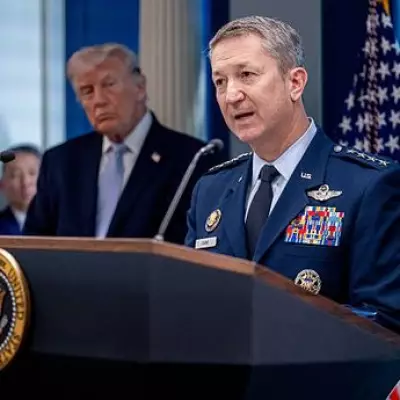
The relationship between Britain and its most crucial ally, the United States, deteriorated further as former President Donald Trump branded Starmer a "loser." In a stark admission, the Prime Minister revealed he had not communicated with Trump for nearly a week, despite the global emergency, following a significant falling-out between the two leaders.
Sir Keir publicly urged Trump to "de-escalate" the situation and engage in negotiations with Iran's remaining leadership. However, this plea was overshadowed by the deepening diplomatic chill and Trump's renewed attacks, where he expressed disappointment in Starmer's response to US-led actions against Iran.

Growing Backlash from International Allies
Allies in the Middle East voiced increasing frustration over the UK's perceived lack of preparedness. Cyprus, after an RAF base on the island was struck by an Iranian drone, sought military assistance from France, Italy, and Spain instead of Britain, highlighting a loss of confidence in London's capabilities.
In a further embarrassing episode, the United Kingdom failed to launch its first evacuation flight from Oman, while other nations encountered no such difficulties. Bahrain and the United Arab Emirates reportedly accused Starmer of inadequately defending British interests and regional allies, with Jordanian officials described as "furious" and Cyprus's high commissioner expressing public disappointment.
Domestic Political Firestorm and Internal Divisions
Shadow Foreign Secretary Priti Patel launched a blistering critique, accusing Starmer of being in denial and condemning the government as "feeble" during a time of assault on British people and allies. She asserted that the Prime Minister had failed to uphold Britain's global standing, collaborate with allies, promote national interests, and provide necessary leadership to protect military personnel and citizens.
Internally, reports suggested that Starmer's initial inclination to permit US jets to conduct defensive missions from British bases was thwarted by senior ministers, including Ed Miliband, who questioned the political wisdom of aligning closely with the US. When asked if Miliband was directing foreign policy, the PM's spokesman emphasised that decision-making involved the Prime Minister, Foreign Secretary, and key Cabinet members.
Defence and Evacuation Challenges
Starmer defended his cautious stance, avoiding offensive actions against Tehran even after British bases were targeted, and warned that the conflict's fallout could persist for months, potentially impacting energy bills, living costs, and triggering a refugee crisis. He acknowledged the distress of families with loved ones trapped in the war zone but cautioned that a mass evacuation would not occur overnight, pledging government resolve to protect British lives and interests.
In response to the crisis, Defence Secretary John Healey visited Cyprus to repair relations, as the country felt exposed due to the RAF Akrotiri base. Additionally, Britain announced the deployment of four more Typhoon jets to Qatar, aiming to bolster regional defence capabilities.
Broader Political Reactions and Leadership Doubts
Labour's former shadow chancellor, John McDonnell, implied that Starmer would have faced removal if he had entangled Britain in the war. Conversely, Kemi Badenoch expressed shock that party politics might have influenced the government's response to US requests, advocating for RAF involvement in bombing raids against Iran's missile launchers to swiftly conclude the conflict.

Nigel Farage, leader of Reform UK, argued that Britain should have supported US-Israeli actions from the outset, attributing Starmer's hesitation to a "Left-wing revolt" led by Miliband, which he claimed humiliated the nation internationally. As criticism mounts from multiple fronts, Starmer's leadership during this critical period remains under intense scrutiny, with his ability to navigate the crisis and maintain alliances in serious question.