Starmer's Political Future Hangs in Balance After Key Aide's Dramatic Exit
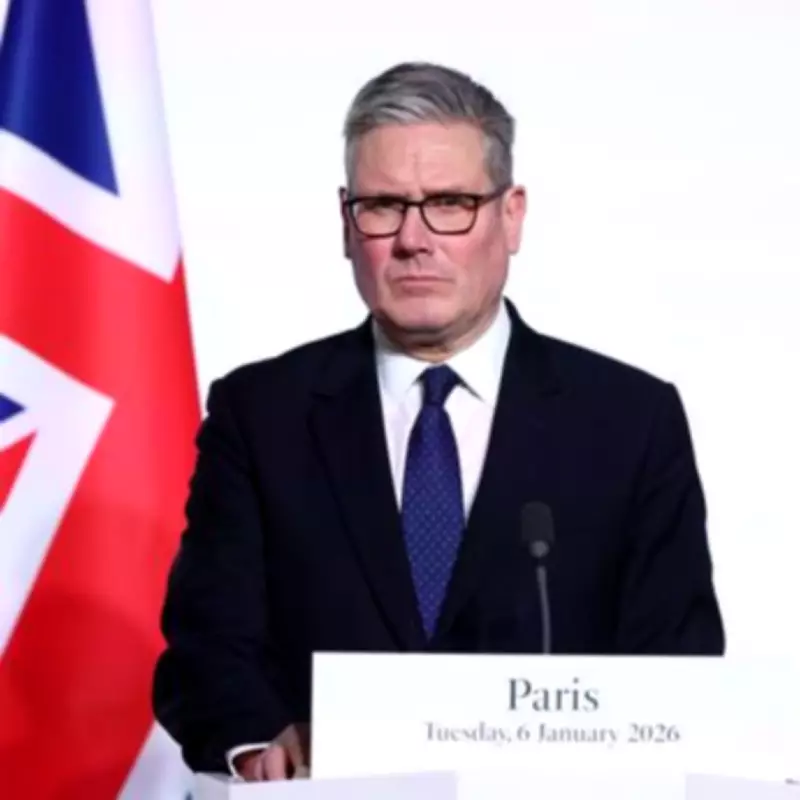
Prime Minister Keir Starmer is confronting a pivotal moment in his premiership, with his political survival under intense scrutiny following the dramatic resignation of his chief of staff, Morgan McSweeney. The departure comes amid escalating fury within Labour ranks over the controversial appointment of Peter Mandelson as ambassador to Washington, creating a perfect storm of instability at the heart of government.
Westminster Corridors Awash with Anger and Speculation
Once again, the corridors of Westminster are buzzing with anger, rumour, and political manoeuvring as a Prime Minister fights to maintain control. The Peter Mandelson crisis has ignited deep-seated frustrations among Labour MPs, with critics openly calling for Starmer to follow McSweeney out of Downing Street. McSweeney dramatically quit on Sunday afternoon, accepting responsibility for advising the Prime Minister to appoint Mandelson to the sensitive diplomatic role.
The critical question now is whether this resignation will be sufficient to quell the growing rebellion. Many Labour parliamentarians express profound dissatisfaction with the government's direction, viewing the Mandelson scandal as a potential turning point that could define Starmer's leadership. Meanwhile, the Prime Minister's loyalists urge him to demonstrate resilience and prove his detractors wrong through decisive action.

Immediate Fallout and Damage Control Efforts
Allies of the Prime Minister are working tirelessly to suppress calls for his resignation, arguing that triggering a messy leadership contest would destabilise both the country and the Labour Party. They warn that such internal strife would provide Nigel Farage's Reform Party with ammunition to exploit divisions, mirroring the infighting that characterised the Conservative government's final years.
Starmer will address the Parliamentary Labour Party on Monday evening in a crucial attempt to restore unity and secure backing from restive MPs. However, significant divisions persist, with some left-wing figures already breaking ranks to demand his resignation. The outcome of this meeting carries substantial weight for the Prime Minister's immediate future.
Downing Street Insists on Business as Usual
Number 10 maintains that operations continue normally and the Prime Minister has no intention of stepping down. Following McSweeney's departure, Starmer swiftly appointed his deputies, Vidhya Alakeson and Jill Cuthbertson, as joint chiefs-of-staff on an interim basis, signalling continuity in government policy.
Despite facing persistent questions about his leadership last week, Starmer reaffirmed his commitment to remain in office, emphasising his pledge to deliver a "decade of national renewal" following the general election. Nevertheless, anonymous Cabinet ministers have reportedly told The Times that Starmer appears "weaker" and "could stand down at any moment," claims Downing Street has dismissed as "categorically untrue."
Potential Threats and Vulnerabilities
The Prime Minister's primary concern this week will be preventing ministerial resignations, which could rapidly escalate the crisis. As demonstrated during Boris Johnson's premiership, senior figures publicly criticising their leader can create profound instability. Number 10 is conducting a charm offensive to reassure wavering colleagues, closely monitoring for any signs of rebellion.
Thus far, no ministers have resigned over the Mandelson revelations, providing Starmer with a glimmer of hope. However, the political atmosphere remains volatile, with the rumour mill operating at full capacity across Westminster.
Mechanics of a Potential Leadership Challenge
Starmer's fate ultimately rests with Labour's 403 MPs in Parliament. To initiate a formal leadership challenge, 81 parliamentarians—representing 20% of the Parliamentary Labour Party—must write to the party's General Secretary. While dissent is emerging, mobilising 80 MPs to take this risky step remains challenging currently.
Launching such a challenge carries significant personal risk for any contender, potentially ending political careers and attracting accusations of disloyalty. However, political dynamics can shift rapidly, and the situation remains fluid.

Speculation Over Potential Successors
Westminster gossip circles are abuzz with potential successors should a leadership contest materialise. Bookmakers currently favour Angela Rayner, Ed Miliband, Wes Streeting, and Shabana Mahmood, with outsiders including Yvette Cooper, Al Carns, Lucy Powell, and Sir Chris Bryant. Odds would likely fluctuate dramatically if a formal race commences.
Despite reports that Rayner is "ready" for a challenge, she awaits conclusion of an HMRC investigation into unpaid taxes on her seaside home in Hove, which prompted her resignation as Deputy Prime Minister last year. Allies of Health Secretary Wes Streeting have repeatedly denied claims he would challenge Starmer, while Greater Manchester Mayor Andy Burnham remains ineligible after being blocked from standing as an MP.
Upcoming By-Election Adds Pressure
If Starmer survives until February 26, he faces additional pressure from the Gorton and Denton by-election. Anger persists among supporters after Andy Burnham was blocked from standing, increasing scrutiny on the Prime Minister's leadership.
Losing this previously safe seat to the Greens or Reform would prove disastrous, with MPs likely holding Starmer personally accountable. Victory might buy temporary respite, but defeat could open the door to a leadership challenge. Even if Starmer clears this hurdle, difficult local elections in May loom large, with many anticipating that a leadership contest could become inevitable should poor results materialise.
Mandelson Files Prolong Political Agony
Starmer's political difficulties are compounded by the ongoing release of files related to Mandelson's ambassadorial appointment. Number 10 believes these documents will reveal that the Labour veteran misled the Prime Minister's team about his friendship with Jeffrey Epstein during vetting procedures.
However, Downing Street lost control of the process last week amid chaotic scenes, transferring authority to Parliament's Intelligence and Security Committee. The committee now oversees the handover of all meeting minutes, electronic communications, and WhatsApp exchanges involving Lord Mandelson, senior ministers, and special advisers.
This process could take weeks as officials sift through potentially thousands of documents, with the Metropolitan Police requesting that materials potentially undermining their investigation into Lord Mandelson remain confidential. Consequently, Number 10 faces an extended period of uncertainty and damaging headlines, further testing Starmer's resilience and political survival instincts.