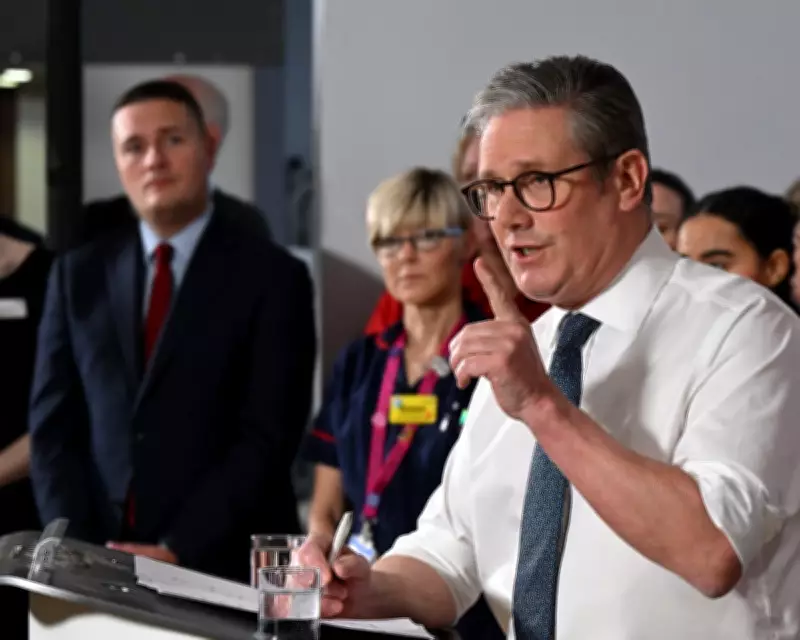
In a dramatic turn of events, Prime Minister Keir Starmer is grappling with a severe leadership crisis, marked by the resignation of yet another communications chief and public calls for his resignation from within his own party. The political turmoil unfolded during a visit to a healthcare provider in Epsom, Surrey, on 6 January 2025, where Starmer and Health Secretary Wes Streeting were photographed, but the imagery belied the chaos brewing behind the scenes.
Internal Dissent and Resignations Rock Labour
The latest upheaval was triggered by the departure of another communications director, adding to a growing list of staff exits that have plagued Starmer's tenure. This incident was compounded by an unexpected call for Starmer's resignation from Scottish Labour leader Anas Sarwar, which forced senior Labour figures to publicly rally behind the prime minister, albeit with visible reluctance. One minister was quoted as briefing darkly, "We've all been made to tweet," highlighting the strained unity within the cabinet.
Starmer's Defiant Stance and Parliamentary Support
In response to the mounting pressure, Starmer addressed the parliamentary Labour party, receiving a reported 37-second standing ovation. He boldly declared, "I have won every fight I've ever been in," in an attempt to project strength. However, critics have dismissed such displays as superficial, comparing them to the exaggerated applause often seen at events like the Cannes film festival, where even controversial documentaries receive prolonged ovations.

Allegations and Briefing Wars Escalate
The crisis has been exacerbated by revelations from Peter Mandelson, which have painted Starmer as a "fallen nice guy" and raised questions about his allegiance to women in politics. Meanwhile, Wes Streeting has accused Downing Street of covertly briefing against him, leading to a public spat where Streeting released his own private messages with Mandelson. This move has been seen as a desperate attempt to control the narrative, with observers noting the increasing "naffness" of political manoeuvres.
Angela Rayner's Tax Affairs and Leadership Rumours
Further complicating matters, Deputy Leader Angela Rayner is pushing HMRC to expedite a review of her tax affairs, amid rumours of leadership ambitions. A partially constructed website, allegedly meant to launch her leadership campaign and created by the same firm behind her official parliamentary site, briefly went live in January before being taken down. An ally described it as a "false flag" operation, adding to the sense of intrigue and instability.
Government Performance Under Scrutiny
Starmer's premiership, which began with promises to "restore service and respect to politics," has been marred by numerous U-turns and policy failures. Critics liken his government's impact to a "Serengeti wildebeest migration" of cock-ups stampeding over Britain for 19 months. Defences of his record, such as claims of delivering "incremental change," have been mocked as ineffective, with one commentator noting it "delivers like Evri"—often lost or misplaced.
Cabinet Ministers' Mixed Messages
Cabinet ministers Shabana Mahmood and Bridget Phillipson attempted to bolster support, with Mahmood reminding that "Labour governments don't come along often," and Phillipson stating, "Change is hard. Government isn't easy." However, these statements have been criticised as sounding like "tactical self-care posts" from influencers, rather than substantive political reassurances.
Public Faith and Media Coverage in Decline
Public confidence in politics has plummeted, with the ongoing drama doing little to restore trust. Media coverage has also come under fire, with some outlets accused of sensationalism. For instance, BBC political editor Chris Mason was noted for his overly excited reporting, compared by one observer to the White Rabbit from Alice in Wonderland, adding to the surreal nature of the crisis.

Historical Precedents and Future Prospects
The UK has seen six prime ministers in a decade, and Starmer's troubles suggest a seventh might be imminent. Comparisons have been drawn to Theresa May's wounded leadership, which lasted two years, but suggestions for Starmer's replacement, such as John Healey as a unity candidate, have been dismissed as unrealistic. With only 36% public recognition, Healey is seen as an unlikely saviour for a party in disarray.
As Labour teeters on the brink, the question remains: can Starmer stabilise his leadership, or is the party headed for another chaotic transition? The coming weeks will be critical in determining whether this crisis marks a turning point or merely another episode in Britain's turbulent political landscape.