Keir Starmer's Leadership Crisis Deepens After Key Aide Resigns
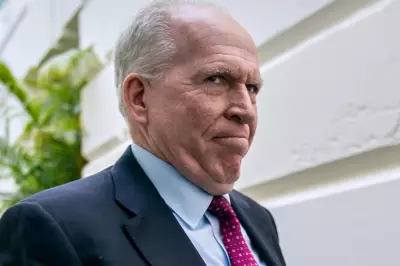
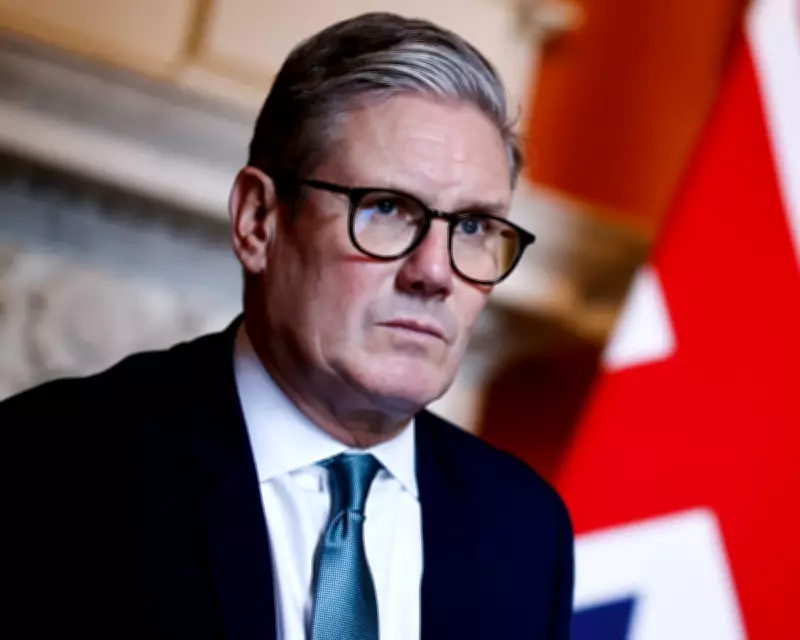
Prime Minister Keir Starmer finds himself increasingly isolated following the dramatic resignation of his closest political adviser, Morgan McSweeney. This development represents the latest in a series of calamities that have plagued Starmer's government over the past eighteen months, raising serious questions about his political survival.
The Herd Grows Restless
While the political herd has not yet moved decisively against Starmer, there is growing consensus among Westminster observers that his tenure as prime minister may be approaching its conclusion. The resignation of McSweeney, who served as Starmer's chief of staff and principal strategist, has created a significant power vacuum at the heart of government.
McSweeney was no ordinary aide. He was the architect behind Starmer's rise to power, having identified him as a potential Labour leader and masterminded the party's landslide general election victory in 2024. Their relationship was described as symbiotic - think Simon without Garfunkel, Starsky without Hutch, Wallace minus Gromit. With McSweeney's departure, Starmer has lost his most trusted political confidant.

Epstein Scandal Fallout
The catalyst for this political crisis stems directly from the release of the Jeffrey Epstein files. Among millions of documents, journalists uncovered evidence revealing that Peter Mandelson, who served as Britain's ambassador to the United States until September last year, maintained a far closer relationship with Epstein than previously acknowledged.
Mandelson had initially downplayed his association with Epstein, claiming to be on the outer fringes of the financier's circle. However, documents released ten days ago suggest a much more intimate connection, including allegations that Mandelson shared market-sensitive information with Epstein in 2008 while serving as a senior Labour government minister.
This revelation has transformed what was initially an embarrassing friendship into a full-blown political scandal, with terms like "treason" and "betrayal" entering public discourse. Historian Anthony Seldon has described these developments as potentially Britain's worst political scandal.
Accountability and Resignation
The political fallout has been swift and severe. McSweeney acknowledged his role in advising Starmer to appoint Mandelson as ambassador, stating in his resignation announcement: "The decision to appoint Peter Mandelson was wrong. He has damaged our party, our country and trust in politics itself. When asked, I advised the prime minister to make that appointment and I take full responsibility for that advice."
This resignation has removed Starmer's last line of defence, according to his critics, who argue it is only a matter of time before the prime minister himself must depart. Supporters hope McSweeney's departure might buy Starmer time to reset his government, but the political calculus appears increasingly unfavourable.
Leadership Challenges and Personal Anguish
Adding to Starmer's difficulties is the personal dimension of this scandal. Throughout his career as both a lawyer and politician, Starmer has consistently championed the defence of women against predatory and violent men. The Epstein revelations, involving the abuse of young women, have reportedly caused him significant personal distress that may influence his political decisions.
Meanwhile, the Labour party faces a leadership vacuum should Starmer depart. Potential successors include Angela Rayner, the former deputy prime minister who resigned over unresolved tax affairs, and Wes Streeting, the Health Secretary who remains a divisive figure within the party. Neither appears positioned to unite Labour or provide stable leadership to a nation weary of political drama.
Political Calendar and Future Prospects
Starmer's immediate political survival may depend on upcoming electoral tests. If he can maintain his position until May, his fate will likely be determined by Labour's performance in elections for the Scottish and Welsh parliaments, along with English council elections. Poor results in these contests could make his position untenable.

The situation remains fluid, with Labour's Scottish leader Anas Sarwar having already called for Starmer's departure, though cabinet colleagues quickly rallied to support the prime minister. As one political observer noted, referencing Boris Johnson's 2022 resignation speech: "The herd instinct is powerful and when the herd moves, it moves." For Keir Starmer, the question is not whether the herd will move, but when.