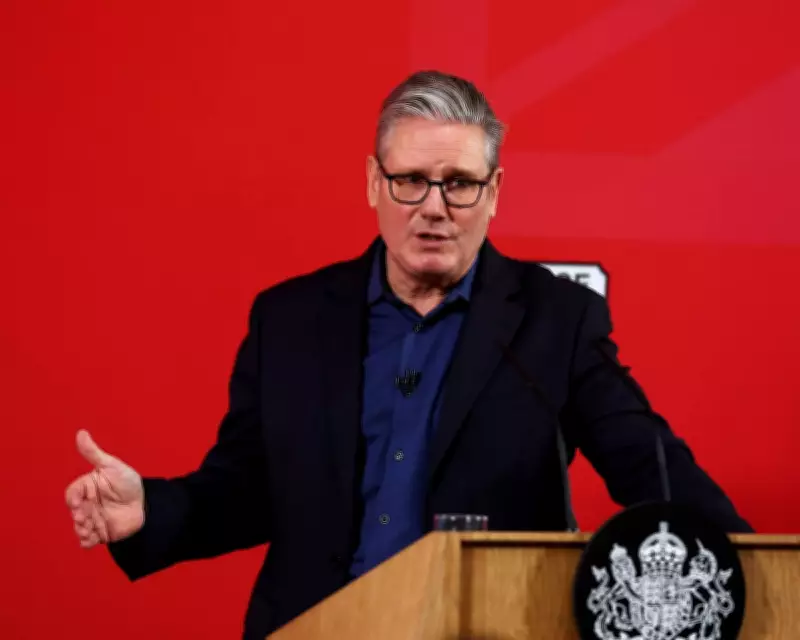
Good morning. In modern political journalism, a recurring theme is the "how damaging?" question, assessing the fallout from key resignations. With Westminster gripped by speculation over how long Keir Starmer can remain as prime minister following the resignation of his chief of staff, Morgan McSweeney, yesterday, the focus turns to historical parallels. McSweeney's departure is linked to the Peter Mandelson and Jeffrey Epstein scandal, raising concerns about Starmer's leadership stability.
Historical Precedents of Prime Ministers After Adviser Resignations
Examining past instances, prime ministers have often weathered the storm after losing crucial aides. Margaret Thatcher continued in office for one year and one month after Alan Walters resigned. Tony Blair remained for three years and 10 months post-Alastair Campbell's departure. Gordon Brown lasted one year and one month following Damian McBride's exit.
Theresa May stayed on for two years and one and a half months after Nick Timothy and Fiona Hill stepped down. Boris Johnson endured for one year and 10 months after Dominic Cummings left, and seven months after Munira Mirza resigned. These cases are not exact matches, but they illustrate resilience.

Mixed Reactions to McSweeney's Exit
McSweeney's resignation has sparked divided reactions within Labour. Many MPs are relieved to see him go, while others credit him with securing their seats in the 2024 landslide victory and fear how Starmer will cope without his strategic guidance. The situation mirrors aspects of Dominic Cummings' departure, as both were seen as masterminds behind election wins. However, election analysis challenges McSweeney's role, with Prof Jane Green noting external factors were more significant.
In some ways, McSweeney resembles Nick Timothy and Fiona Hill, who were instrumental in Theresa May's rise but were ousted after a failed manifesto. Conversely, McSweeney helped craft a winning strategy, making his exit more complex.
Uncertainty and Current Developments
Ultimately, predicting the outcome is impossible, but history suggests even damaging resignations do not force immediate prime ministerial departures. Today, Starmer is set to address Labour MPs this evening, with former home secretary Jacqui Smith praising him for taking responsibility in the Mandelson affair. Labour First is urging supportive MPs to highlight Starmer's accountability and incremental policy successes.
The agenda includes key events: Kemi Badenoch's Surrey visit, a Downing Street briefing, home secretary Shabana Mahmood's Commons questions, Nigel Farage's Birmingham speech, and Starmer's PLP meeting. As the crisis unfolds, Starmer's ability to reassert control will be tested.