Starmer's 'Keep Calm' Approach Faces Scrutiny as Economic Worries Mount
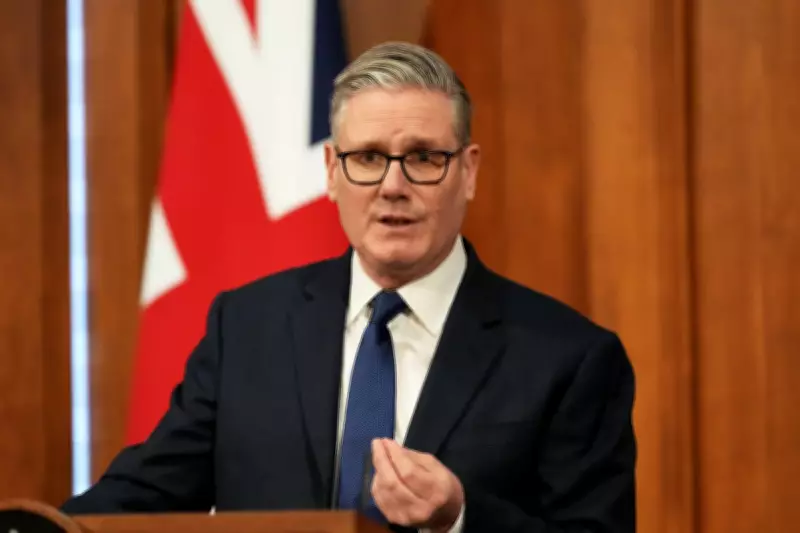
Prime Minister Keir Starmer's composed and measured handling of provocations from Donald Trump has garnered praise from some Labour critics, yet questions linger about whether this demeanor is sufficient to reassure voters grappling with rising bills and economic uncertainty. In a news conference, Starmer emphasized stability over hasty announcements, but this strategy may leave a vacuum of public confidence.
Diplomatic Moves and Political Messaging
Starmer used the platform to announce two key meetings: Foreign Secretary Yvette Cooper will host 35 nations to push for maritime security in the Gulf, aiming to reopen the Strait of Hormuz after hostilities cease. Additionally, a new summit with EU partners will seek to deepen economic and security cooperation beyond last year's agreements.
This dual announcement served as a clear political signal, appealing to Labour's pro-EU base while distancing from Trump's hinted threats to NATO. Starmer stated, "Whatever the pressure and the noise, I'm not going to change my position on the war," subtly referencing Trump's influence. When pressed on choosing between America and Europe, he avoided a direct answer but emphasized the need for a stronger relationship with Europe in defence, security, energy, and the economy.

Economic Concerns and Public Reassurance
Despite these diplomatic efforts, Starmer's response to domestic economic fears fell short for many. He offered lofty rhetoric, declaring, "It is the job of government to meet these moments," and expressed unwillingness to return to a "business as usual" status quo after the crisis. However, he provided little detail on immediate support for households facing bill increases due to the war.
Starmer deferred to Chancellor Rachel Reeves's earlier comments, noting it is "too early" to specify who will receive additional help, with any support likely to be targeted rather than universal. This cautious approach, while sensible to avoid panic measures, risks appearing inert as economic pressures mount. Starmer explained, "It is very difficult to assess what might be needed," suggesting a wait-and-see strategy that may not align with public urgency.
Historical Lessons and Current Vacuum
Reeves highlighted lessons from past crises, such as the uneven distribution of support during Russia's invasion of Ukraine, where wealthier households received disproportionate aid. This informs the current preference for targeted assistance, but the lack of concrete plans leaves room for speculation and misinformation, as seen in recent media stories.
Starmer's "keep calm and carry on" mantra, though potentially prudent, echoes a sense of inaction that could undermine voter trust. His emphasis on steadiness over swift action may not resonate with those directly impacted by the economic fallout, raising doubts about his ability to secure broader public support beyond party lines.