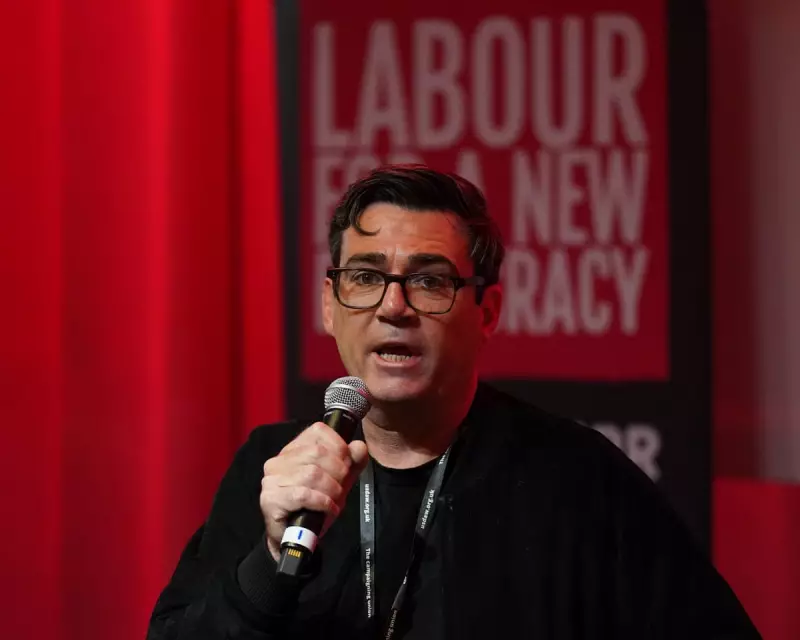
Starmer's Potential Block on Burnham Threatens Labour's Internal Cohesion
Sir Keir Starmer appears poised to commit a significant political misstep by reportedly planning to block Andy Burnham from seeking a parliamentary seat in an upcoming by-election. This move, driven by fears of a future leadership challenge, risks undermining Labour's authority and fracturing its broad coalition of supporters.
The Johnsonian Wisdom: Keeping Critics Inside the Tent
As former US President Lyndon B. Johnson famously noted, strong leaders manage conflict by keeping potential rivals inside the tent rather than expelling them. By attempting to sideline Burnham, Starmer is not demonstrating strength but rather surrendering control and inviting unnecessary internal strife. The Labour leader's allies are said to be constructing an obstacle course of procedural hurdles, including cost concerns and gender balance rules, to prevent the Manchester mayor from standing.
Electoral Gambles and Growing Voter Discontent
Labour currently faces a critical challenge in convincing voters that it possesses viable solutions to the nation's pressing issues, such as sluggish economic growth, stagnant wages, and the rise of far-right movements. Excluding Burnham, one of the party's few figures with a proven track record in governance and economic seriousness, could make Downing Street seem petty and fearful. Polling data from More in Common reveals that Burnham's favourability increases with recognition, outperforming Starmer among voters lost since 2024.

- Blocking Burnham might push him to run as an independent while retaining his mayoral role.
- This could weaponise his personal popularity in Greater Manchester against Labour.
- Such a scenario would transform a local defeat into a symbolic rebuke of Starmer's leadership.
Widening Divisions Within Labour's Coalition
The party is already haemorrhaging support, with socially conservative voters drifting toward Reform UK and left-liberal supporters leaning to the Greens. Ousting a politician like Burnham, who can bridge these divides, reinforces the perception that Labour no longer welcomes pluralism of thought. Labour MPs and union leaders have cautioned against a stitch-up to prevent Burnham's selection, urging the leadership to exercise better judgment.
- Starmer's insecurity may be driving this exclusionary tactic.
- Managing power internally is preferable to forcing it outside the party.
- The consequences of this decision could haunt Labour in future elections.
Ultimately, blocking Andy Burnham represents not just a personal snub but a strategic blunder that could alienate key voter segments and weaken Labour's electoral prospects. The leadership must weigh whether short-term control is worth the long-term damage to party unity and public trust.