
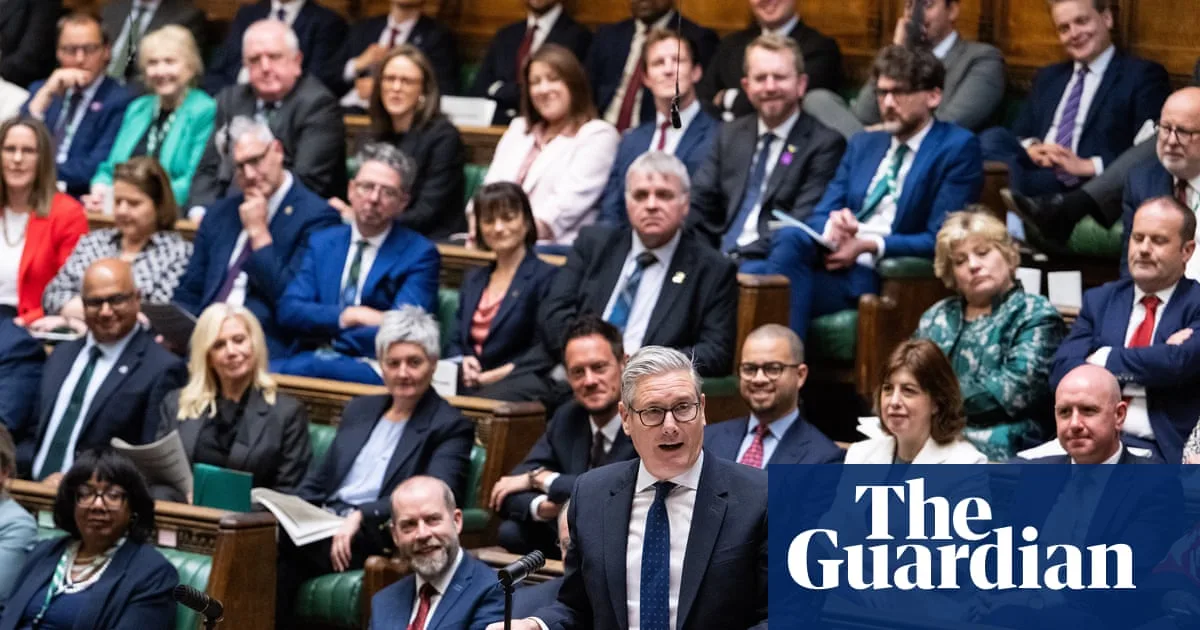
Keir Starmer's closest aides are "war-gaming" how to win a potential leadership contest ahead of Andy Burnham's expected return to Westminster if he wins the Makerfield byelection, according to Whitehall sources.
Downing Street insiders said the prime minister had spent the last fortnight considering his future but is now "hellbent" on fighting any challenge. His team is examining scenarios including the dismissal of ministers who publicly back Burnham, the Greater Manchester mayor who has said he would enter any leadership race if he defeats Reform UK in next week's byelection.
One loyalist minister acknowledged that Starmer's fate may not be in his own hands. "Keir may be determined to fight any challenge. But when it comes to it, he might not have a choice. As one former prime minister put it, when the herd moves, it moves," the minister said. Another senior aide said: "Maybe it is over. But if so, Keir's not going without a fight. Our plan is to be more Harry Truman and less Joe Biden."
Cabinet minister Steve Reed said he was convinced Starmer would resist a contest and suggested offering Burnham a job if he wins in Makerfield. "He led us to one of the biggest landslide victories in our party's history. A man that can deliver that kind of change in that period of time is not a man that lacks determination," Reed said.
Allies of the prime minister argue Burnham is unprepared, noting he will be occupied with the subsequent mayoral election for Greater Manchester, the summer recess and party conference season. They also point to a YouGov poll showing 59% of members backing Burnham against 37% for Starmer, but believe the prime minister could recover once Burnham faces closer scrutiny. One ally said: "The more Andy is tested, the more people see he's not up to the job."
However, Starmer presides over a restive party following Labour's poor local election results, with several cabinet ministers urging him to consider his future. No 10 insiders admitted that if they and others publicly called on him to go, it would be difficult for him to resist the pressure, though sources said he would not hesitate to sack ministers who back Burnham in any contest.




