Sir Keir Starmer's premiership is confronting escalating internal pressure from Labour Members of Parliament, who are expressing fury over his decision to endorse Lord Peter Mandelson's appointment as British ambassador to the United States. This controversy stems from the Prime Minister's acknowledged awareness of Mandelson's connections to the convicted paedophile Jeffrey Epstein at the time of the appointment.
Parliamentary Showdown Over Document Release
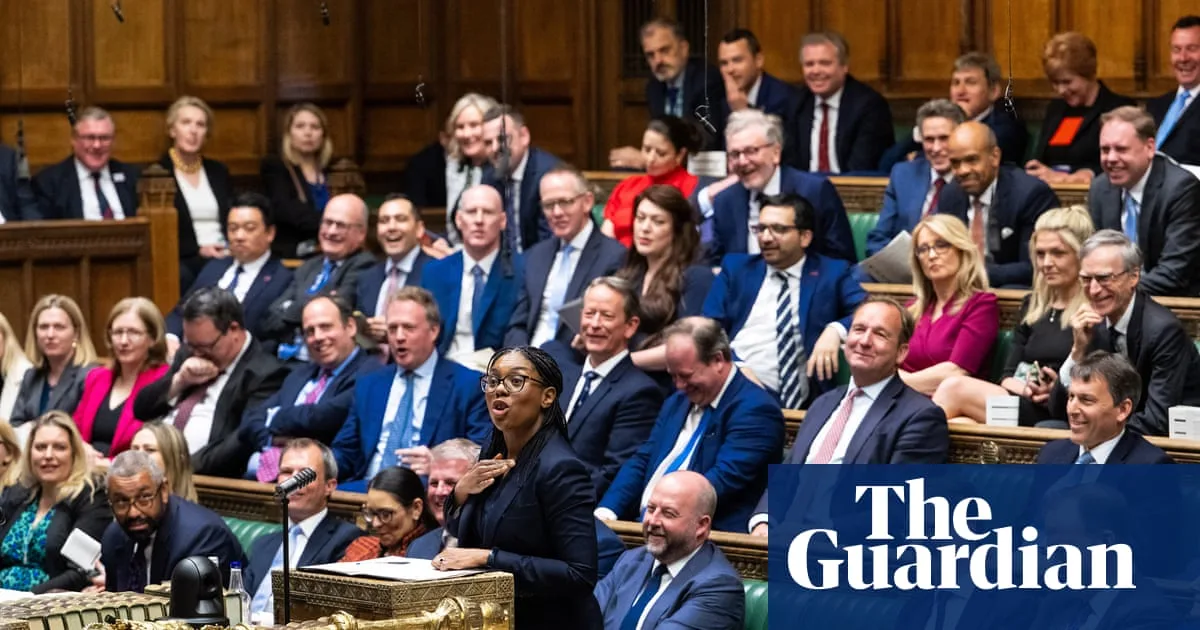
During a tense Prime Minister's Questions session on Wednesday, Sir Keir admitted he was informed about Lord Mandelson's ongoing association with Epstein but asserted the peer had "lied repeatedly" regarding the depth of their relationship. Initially, Downing Street attempted to manage the disclosure of potentially damaging documents that detail the decision-making process behind the diplomatic posting.
However, facing a significant mutiny within Labour ranks—spearheaded by former deputy prime minister Angela Rayner—the Government was compelled to retreat. Control over which documents enter the public domain has now been transferred to Parliament's Intelligence and Security Committee.
Mounting Criticism and Leadership Doubts
The scandal has intensified scrutiny of Sir Keir's political judgment and future. Labour MP Andy McDonald voiced disbelief, stating it "beggars belief" that security vetting could approve someone under these circumstances and called it an "appalling failure of judgment." Meanwhile, Labour's Mainstream group, supported by Manchester Mayor Andy Burnham, demanded a "clean break" from what they term a "betrayal," warning against the party succumbing to "elite privilege, spin and toxic factionalism."
Adding to the pressure, Labour peer Lord John Hutton, a former Cabinet minister, suggested the handling of this crisis could signal the end of Sir Keir's tenure, remarking that change must come "from the very top."
Delayed Disclosure and Criminal Investigation
While MPs approved the release of documents related to Mandelson's appointment on Wednesday, a minister indicated immediate publication would not occur. The delay, potentially lasting weeks or months, follows a request from the Metropolitan Police to avoid undermining their ongoing criminal investigation into the disgraced peer.
Lord Mandelson, who has since quit the House of Lords, resigned from the Labour Party, been removed from the Privy Council, and faces a criminal probe linked to the Epstein files, maintains his innocence. The BBC reports he argues his actions were not criminal nor for personal gain, claiming he sought Epstein's expertise in the national interest prior to the financial crisis.
Revelations from the Epstein Files
The latest batch of released Epstein documents alleges that in 2009, while serving as business secretary, Lord Mandelson shared potentially market-sensitive information with the financier. Further emails suggest he attempted to assist Epstein in obtaining a Russian visa, referencing contacts believed to be Benjamin Wegg-Prosser of Global Counsel and Russian oligarch Oleg Deripaska.
This revelation recalls the 2008 controversy when Deripaska hosted both Lord Mandelson and then-shadow chancellor George Osborne on his superyacht off Corfu.
Political Fallout and Public Accountability
As Sir Keir prepares to deliver a speech accusing rival parties of peddling "grievance," the timing is critical with a crucial by-election in Manchester and upcoming local and devolved parliamentary elections in May. Housing Secretary Steve Reed, a Starmer loyalist, is set to defend the Government in media appearances, likely facing tough questions about the Labour Party's internal anger.
Conservative figure Kemi Badenoch has demanded the documents be provided within "48 hours or so," planning to maintain pressure via a Westminster press conference. Epstein survivor Ashley Rubright expressed feeling "vindicated" by the accountability facing Epstein's UK associates, highlighting the emotional impact of these developments.
The scandal continues to unravel, posing severe challenges to Sir Keir Starmer's authority and raising profound questions about governance, transparency, and ethical standards at the highest levels of British politics.