Sir Keir Starmer Chairs Cabinet After Defying Resignation Demands
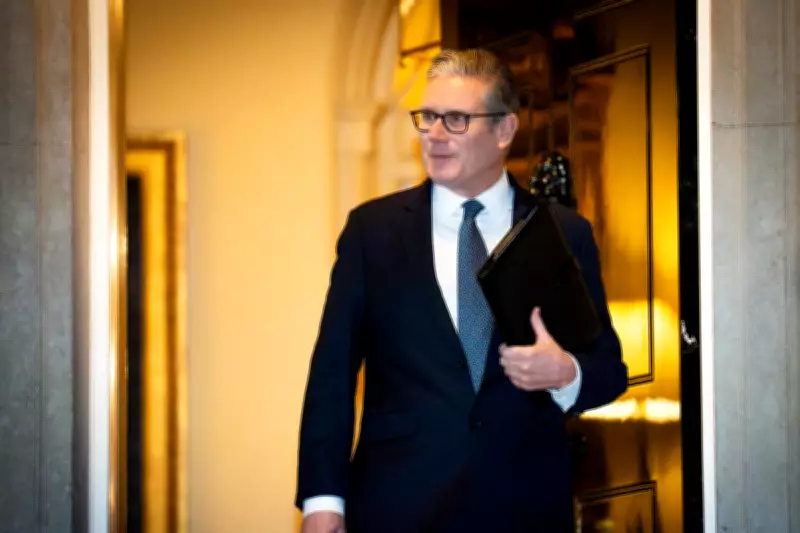
Sir Keir Starmer will preside over a routine Cabinet meeting on Tuesday, having successfully weathered renewed and forceful calls for his resignation from prominent figures within his own party. This development follows a tumultuous period where the Prime Minister faced significant internal pressure, particularly from Scottish Labour leader Anas Sarwar, who publicly urged him to step down amidst the ongoing fallout from the Peter Mandelson scandal.
Sarwar's Unprecedented Call and Starmer's Defiant Response
Mr Sarwar emerged as the most senior Labour figure to demand Sir Keir's departure, expressing grave concerns that the "distraction" emanating from Downing Street would severely damage the party's prospects in the upcoming Holyrood elections in May, where Labour aims to unseat the SNP. However, bolstered by unwavering support from his Cabinet ministers, Sir Keir delivered a characteristically defiant address at a packed meeting of the Parliamentary Labour Party in Westminster. He declared to his colleagues, "I've won every fight I've ever been in," and firmly stated he was "not prepared to walk away" from his role.
The Prime Minister received a notably warm reception from many MPs, who appeared reluctant to join Mr Sarwar in his public campaign for resignation. This collective backing suggests the immediate and most acute danger to Sir Keir's leadership may have subsided, at least for the time being. Nonetheless, underlying discontent persists within certain factions of the party. One critical MP went so far as to liken the tense PLP meeting to the Battle of the Little Bighorn, infamously known as Custer's Last Stand, hinting at a potentially disastrous last stand for the leadership.

External Criticism and Internal Reshuffling
External political pressure also mounted, with Conservative leader Kemi Badenoch adding her voice to the chorus calling for Sir Keir's resignation. Writing in the Daily Telegraph, Ms Badenoch argued that the Prime Minister had "proved incapable of doing the things a prime minister needs to do," further intensifying the scrutiny on his leadership. Amidst this political storm, Sir Keir is pressing ahead with a significant reshuffle of his Downing Street operation, a move he signalled to MPs by expressing a desire for a more "open and inclusive" approach.
This restructuring has already seen the promotion of senior aides Vidhya Alakeson and Jill Cuthbertson to the roles of joint acting chiefs of staff, filling the vacancy left by Morgan McSweeney's departure over the weekend. Furthermore, Sir Keir faces the immediate task of appointing a new communications chief following the resignation of Tim Allan on Monday. Additional reports from the Guardian indicate that Sir Chris Wormald, the UK's top civil servant and cabinet secretary, is also expected to leave his position in the coming days, signalling further high-level changes within the government's administrative core.
Looking Ahead: International Diplomacy
With the apparent retreat of the immediate threat to his premiership, Sir Keir Starmer is now preparing to shift focus to international affairs. He is scheduled to travel to Germany at the end of the week to attend the prestigious Munich Security Conference. At this gathering, discussions are anticipated to be dominated by deep-seated concerns regarding the future stability and cohesion of the transatlantic alliance, presenting a critical diplomatic test for the Prime Minister on the global stage.