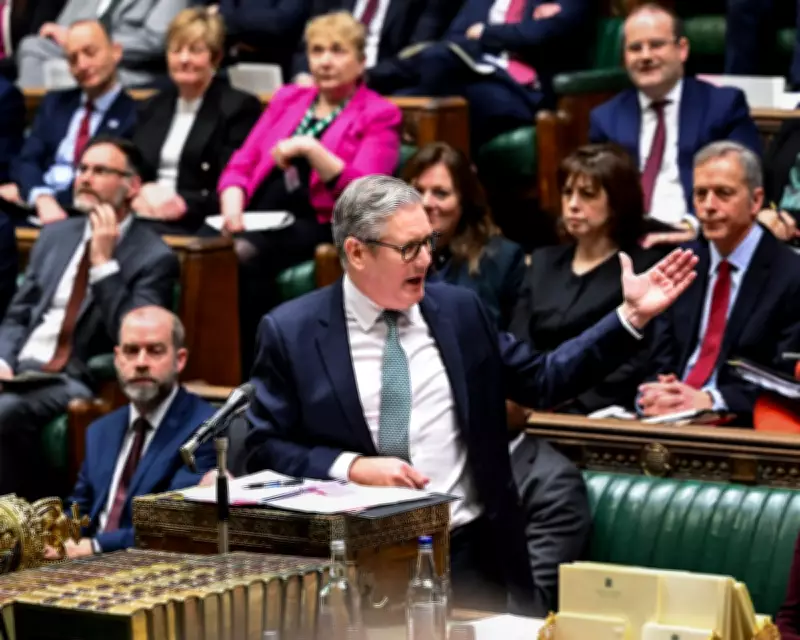
Labour MPs Unite Behind Starmer After Tumultuous Westminster Week
In a dramatic display of parliamentary solidarity, the Labour Party has rallied behind Prime Minister Keir Starmer following a week of intense political pressure. The parliamentary Labour party responded with roaring approval and enthusiastic cheers during Monday's session, demonstrating firm support for their embattled leader despite swirling speculation about his future.
Constitutional Stability Prevails Over Political Turmoil
The British constitution performed its essential function this week as Parliament stood behind the elected government of the day. After what many described as "a truly almighty storm in a teacup," the Commons managed to recover its equilibrium and steady the ship of state. The notion that Britain requires further Downing Street conflict represents pure political madness according to seasoned observers.
The country appeared to stare into the political abyss before drawing back, with Starmer earning considerable credit for his composed performance during the crisis. While he successfully quietened the party's more restless elements, cooler heads within the cabinet worked to calm the broader political waters. As the familiar political cliche reminds us, a week represents an eternity in Westminster politics.

Root Causes of the Political Storm
The Prime Minister's recent difficulties stem from multiple sources, most notably the controversial appointment and subsequent removal of a diplomat with questionable associations to the Washington embassy. This represents merely one among numerous Labour policy reversals that have included:
- Benefits adjustments for disabled individuals
- Winter fuel allowance modifications for pensioners
- Inheritance tax policy changes
- Regulatory shifts affecting pubs and hospitality
The Mandelson affair provided exactly the kind of sensational material that Britain's hothouse political environment thrives upon—featuring elements of international diplomacy, royal connections, and allegations of misconduct. The twenty-four-hour media cycle embraced the story with fervor, transforming what began as a political misstep into a full-blown national scandal that temporarily overshadowed substantive government business.
Governing Challenges and Political Realities
Having occupied Downing Street for less than two years, Starmer has confronted significant challenges in his central mission to stabilize the nation's public finances. While complete success remains elusive, outright failure has similarly been avoided. The Prime Minister's tenure has witnessed several notable missteps:
- Appointment of a politically inexperienced Chancellor
- Failure to adequately manage a substantial tax increase proposal
- Multiple cabinet reshuffles affecting key positions including Foreign Secretary and Home Secretary
- Struggles to control a large parliamentary majority
These governance errors arguably presented greater threats to both party and country than the Mandelson controversy. Nevertheless, a substantial contingent of Labour MPs reportedly question whether Starmer's particular qualities suit the premiership—a concern tempered by their original selection of him as leader.
The Case for Political Stability
The paramount public interest currently resides in governmental stability rather than further upheaval. Britain has endured a decade of political chaos at the highest levels, with five different prime ministers occupying Downing Street within ten years. The economy desperately requires steady stewardship rather than leadership subject to constant insecurity and challenge.
Internationally, the past year has witnessed turbulent events in Washington and beyond, during which Starmer has maintained Britain's traditional role as intermediary between Europe and the United States. His dignified conduct throughout these challenges has drawn praise from unexpected quarters.
The only conceivable justification for a leadership coup would be the installation of a stronger, more purposeful, and more electorally appealing regime. Yet none of the frequently mentioned alternatives—Wes Streeting, Angela Rayner, or Andy Burnham—appear capable of meeting this demanding standard at present.

Historical Precedents and Future Challenges
Numerous British prime ministers have survived attempted leadership challenges throughout political history. Gordon Brown confronted a challenge from James Purnell, John Major resigned mid-term to fight for re-election as party leader, and Margaret Thatcher endured prolonged cabinet rebellions from internal critics.
Starmer's immediate challenges include the forthcoming Gorton and Denton byelections, May's local elections, and the continuing advance of both Green and Reform UK parties. His fundamental task involves rising above these crises rather than succumbing to them. Many recently elected Labour MPs understandably fear for their parliamentary seats but must recognize that removing Starmer offers no guarantee of enhanced electoral security.
The 2024 general election supposedly provided relief from Britain's political instability. Gambling on a sixth prime minister within little more than a decade makes scant political sense. The only certain beneficiaries of such turmoil would be populist parties on both political flanks and nationalist fringe movements—hardly outcomes the Labour Party should desire.