Starmer Hosts Business Chiefs as Trump Ratchets Up Threats to Iran's Oil
Prime Minister Sir Keir Starmer is hosting top business leaders from energy, shipping and banking sectors to assess the impact of the ongoing conflict with Iran, as former US President Donald Trump issues stark warnings about destroying Iranian oil infrastructure.
Trump's Ultimatum on Strait of Hormuz
Donald Trump has threatened to obliterate Iran's oil wells, power generation facilities and potentially even water desalination plants unless a deal is reached to open the Strait of Hormuz for international shipping. The vital waterway has been blockaded by Iran, disrupting crucial oil and gas shipments along with other products including fertiliser supplies.
In a post on his Truth Social platform, Trump claimed "great progress" had been made in discussions with what he described as a "more reasonable" Iranian regime following US-Israeli strikes. However, he warned: "If for any reason a deal is not shortly reached, which it probably will be, and if the Hormuz Strait is not immediately 'open for business', we will conclude our lovely 'stay' in Iran by blowing up and completely obliterating all of their electric generating plants, oil wells and Kharg Island (and possibly all desalinisation plants!)."

Downing Street Business Summit
The Prime Minister's meeting at Number 10 brings together representatives from major corporations including energy giants Shell and BP, shipping company Maersk, maritime insurance specialist Lloyd's of London, and financial institutions HSBC and Goldman Sachs. The executives will receive a briefing from Major General Richard Cantrill, the UK's maritime operations commander, about the developing situation in the region.
Sir Keir emphasized the importance of the gathering, stating: "We are bringing together the shipping sector, insurance and energy, because obviously that's a focus of concern. A lot of discussion about the Strait of Hormuz and what we can do to get the straits open, which is the single most effective way to bring energy prices down."
UK Position and Economic Impact
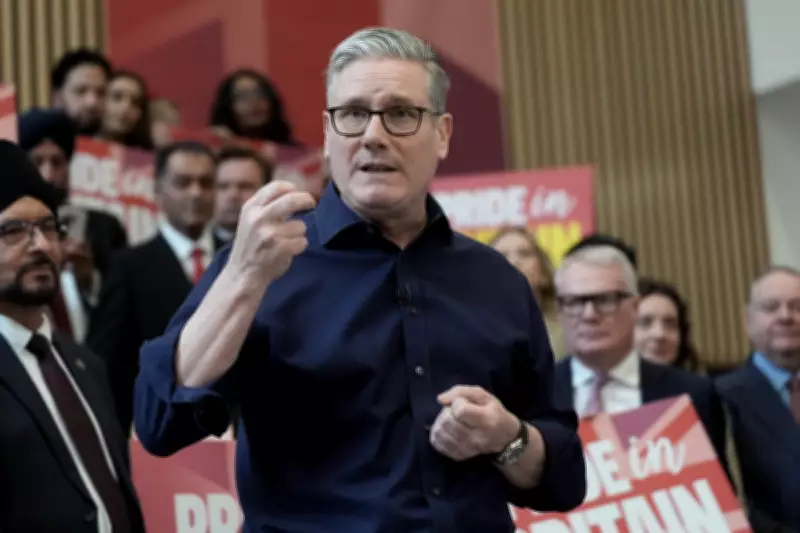
The Prime Minister has consistently called for de-escalation in the Middle East, making clear that Britain would not be drawn into military action against Iran. "This is not our war and we are not going to get dragged into it," Starmer declared during a campaign event in Wolverhampton ahead of May's local elections.
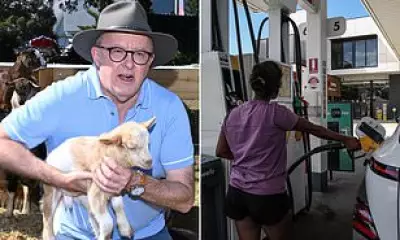
Despite this stance, the conflict has created significant economic challenges for the UK. Oil prices surged dramatically on Monday, with Brent crude jumping more than 3% to reach $117 per barrel at one point - levels not seen since 2022. Diesel prices have climbed to their highest point since December 2022, averaging 181.2p per litre at UK forecourts, representing a 27% increase since the conflict began in late February.
Petrol prices have similarly risen by 14% over the same period, reaching 152.0p per litre. The blockade's effects have been compounded by Iran-backed Houthi forces in Yemen launching strikes against Israel, raising concerns about potential attacks on Red Sea shipping routes.
Political Responses and International Coordination
Tory leader Kemi Badenoch, campaigning in Scotland, criticized potential military escalation, stating: "Sending troops to Kharg Island is an escalation. What I want to see is a de-escalation of this war." She advocated for expanded North Sea drilling and removal of VAT from household energy bills to address economic pressures.
Meanwhile, Chancellor Rachel Reeves and Energy Secretary Ed Miliband participated in a virtual meeting of G7 finance and energy ministers along with central bank governors. The group, comprising the UK, US, Germany, France, Italy, Canada, Japan and the European Union, discussed coordinated responses to the economic consequences of the conflict.
The Downing Street business summit will be followed by a Cobra emergency committee meeting on Tuesday, where senior ministers will examine the ongoing economic impact of the Middle East war. When questioned about potential petrol rationing measures implemented elsewhere in Europe, the Prime Minister assured motorists there was "no need to do anything other than what is normal" at present.