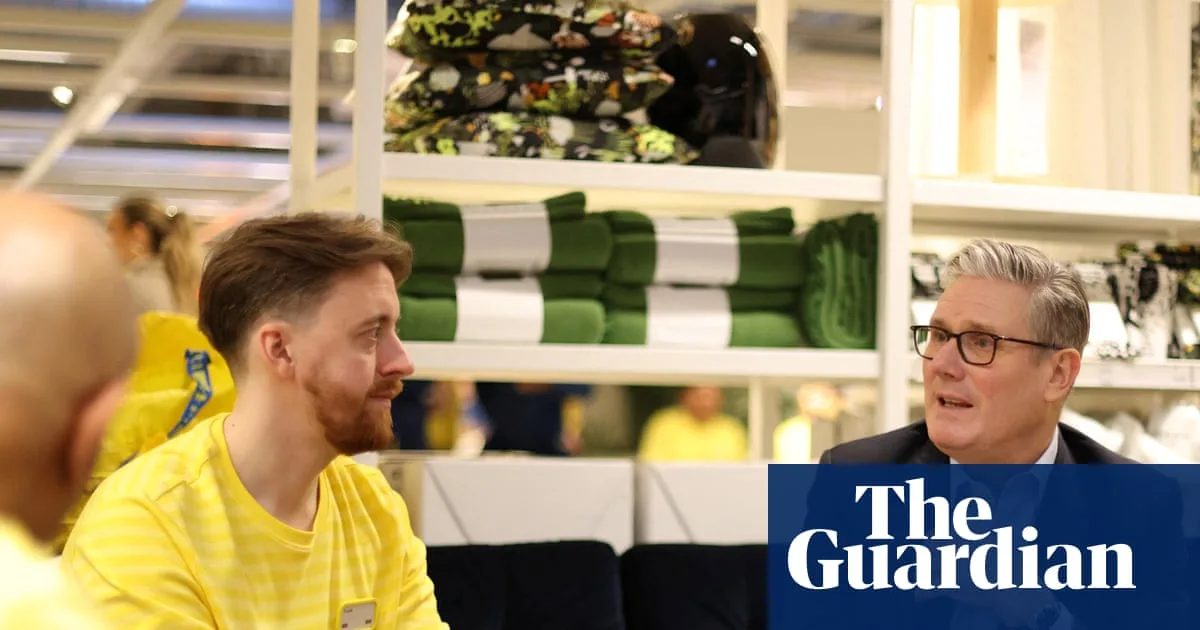
Prime Minister Sir Keir Starmer has defended his frequent international travel to Labour MPs, arguing that being 'in the room' for trade and defence negotiations is essential to tackling the cost-of-living crisis at home. Speaking to the parliamentary Labour party on Monday, he warned that isolationism would not solve economic challenges.
Starmer acknowledged public frustration but insisted that promoting global stability directly boosts the UK economy. 'The cost-of-living crisis will not be solved by isolationism,' he said, citing securing trade terms for companies like Jaguar Land Rover and delivering peace in Ukraine as examples where British leadership is vital.
The Prime Minister has made over 40 foreign trips since taking office in July 2024, a pace that some MPs and advisers want scaled back to focus on domestic issues. Polling shows Labour trailing on cost-of-living concerns, but Starmer stressed that international engagement is part of a broader strategy to deliver 'change and renewal' this year.
Adopting a more optimistic tone, Starmer listed progress on NHS waiting times, wages, crime, and infrastructure, telling MPs: 'Britain will see change and renewal this year. Our country is moving in the right direction.' He added that each improvement shows working people that decline can be reversed and politics can be a force for good.
The remarks come amid leadership speculation and poor poll ratings, with a recent YouGov survey placing Labour on 17%, behind both the Conservatives and Reform UK. Starmer told his cabinet last week to ignore the polls and focus on delivery, but international crises in Venezuela, Greenland, and Iran have disrupted the government's domestic agenda.