Prime Minister Keir Starmer is engaged in a fierce struggle to stabilise his severely depleted Downing Street operation today, as reports emerge that a crucial political ally has declined to assume the role of chief of staff. National security adviser Jonathan Powell is said to have rejected the position and indicated he may depart his post later this year, dealing a significant blow to the Labour leader's inner circle.
Key Ally Rejects Top Role Amid Turmoil
According to sources, Jonathan Powell, who served as chief of staff for a decade under former Prime Minister Tony Blair, has decided not to proceed with discussions about taking on the role for Sir Keir. The Guardian newspaper reports that the 69-year-old political appointee is considering leaving Downing Street at the end of the year to return to his mediation consultancy work, a move that would represent another major setback for the Prime Minister.
No10 sources have countered these claims, insisting that Powell was never formally offered the chief of staff position and will continue in his current role as National Security Adviser. However, the temporary sharing of chief of staff duties between Vidhya Alakeson and Jill Cuthbertson underscores the ongoing instability within the Prime Minister's office.

Controversial Decisions and Internal Opposition
Jonathan Powell has been associated with some of the Labour government's most contentious policies, including the controversial surrender of the Chagos Islands. Despite this, friends of Powell assert that he strongly advised Sir Keir against appointing Lord Mandelson as the next US Ambassador, citing concerns from his experience during the Blair era that the New Labour figure would court controversy and create difficulties for the Prime Minister.
The reported refusal comes in the wake of a tumultuous period for Sir Keir, who narrowly survived a coup attempt last week but lost his chief of staff Morgan McSweeney and communications director Tim Allan. Cabinet Secretary Chris Wormald has also been ousted just nineteen months after being personally selected by the Prime Minister, adding to the string of high-profile departures.
Isolation and Survival Prospects
These successive exits have left the Prime Minister appearing dangerously isolated within his own administration, with the hollowing-out of key positions raising questions about his ability to govern effectively. The loss of experienced personnel like McSweeney and Allan, combined with Powell's potential departure, creates a vacuum of institutional knowledge and political acumen at the highest levels of government.
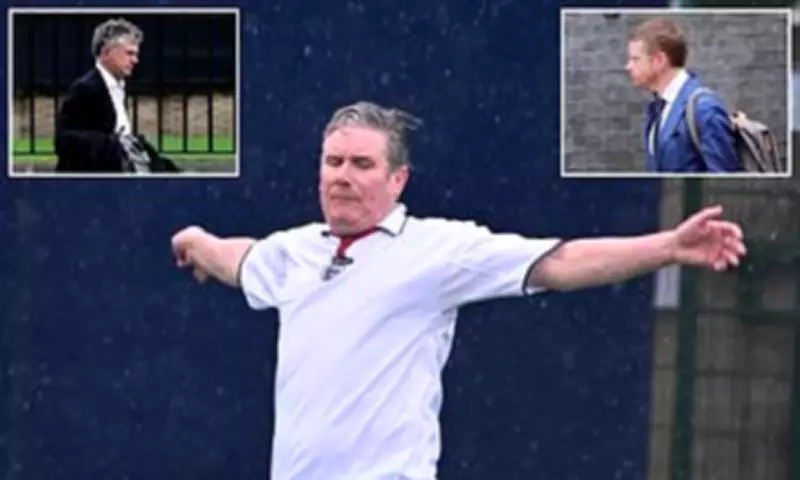
Nevertheless, Sir Keir appears determined to cling to power for the immediate future, as political rivals have not yet mobilised sufficiently to mount a credible challenge. The Prime Minister's public appearance playing football yesterday was interpreted by some observers as an attempt to project normalcy amid the internal chaos.
Broader Implications for Labour Governance
The ongoing staffing crisis at Downing Street reflects deeper challenges within the Labour government's operational capacity. With multiple key positions either vacant or filled temporarily, the Prime Minister's ability to implement his policy agenda and respond to national emergencies may be compromised. The reported tensions over ambassadorial appointments further highlight divisions within the party's leadership regarding strategic diplomatic placements.
As Sir Keir battles to restore stability to his inner circle, the coming weeks will prove critical in determining whether he can reassert control over his administration or whether the exodus of senior figures will continue, potentially undermining his authority and the government's effectiveness in addressing the nation's pressing issues.