Starmer Confronted with Parliamentary Showdown Over Mandelson-Epstein Scrutiny
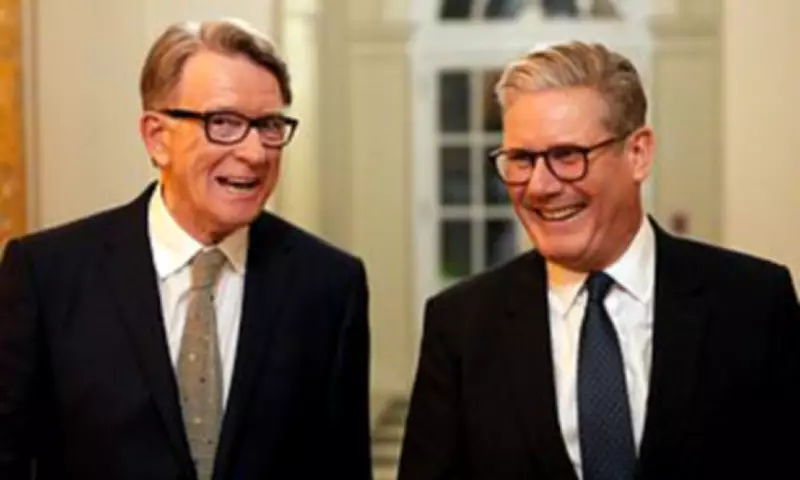
Prime Minister Keir Starmer faces mounting political pressure as Conservative MPs prepare to force a Commons vote that could compel the publication of sensitive details regarding his knowledge of Peter Mandelson's relationship with convicted sex offender Jeffrey Epstein. The motion, tabled by Business Secretary Kemi Badenoch, represents a significant escalation in the ongoing scandal surrounding Lord Mandelson's controversial appointment as US ambassador.
Humble Address Demands Full Transparency
The Conservatives have deployed a rare parliamentary mechanism known as a 'humble address' to formally request that the government release all documents pertaining to Sir Keir's decision to recall Lord Mandelson to frontline politics. This procedural move places Labour MPs in a difficult position, forcing them to choose between party loyalty and supporting transparency measures that could embarrass their own leadership.
Kemi Badenoch has issued a direct challenge to opposition members, stating: 'Labour MPs have a clear choice. Either they can support our efforts to reveal the truth about how and why Peter Mandelson was appointed ambassador to Washington despite his known links to the paedophile Jeffrey Epstein; or they can help Keir Starmer and his chief of staff Morgan McSweeney dodge scrutiny over this sordid affair.'

Downing Street's Contradictory Position
Number Ten has adopted a defensive stance, rejecting calls for disclosure by claiming it 'would not be appropriate' to release details of Lord Mandelson's vetting process. This position appears increasingly untenable as Downing Street has already admitted that the Prime Minister was aware Mandelson maintained contact with Epstein after the financier's 2009 release from prison for child sex offences.
The government's reluctance is particularly noteworthy given Sir Keir's previous use of identical parliamentary procedures while in opposition. During Boris Johnson's premiership, the Labour leader successfully employed a humble address to force the release of documents relating to Evgeny Lebedev's peerage, creating what critics describe as a glaring double standard.
Internal Labour Dissent and External Pressure
Within Labour ranks, frustration is reportedly boiling over. One backbencher anonymously told journalists it would be 'foolish' for the Prime Minister to block the release, adding: 'There is open fury about the way this has been handled. We just have to get everything out there.'
Richard Burgon, representing the party's left wing, has called for Lord Mandelson to face 'the toughest consequences possible' while simultaneously questioning the Prime Minister's judgement: 'What we already knew about his behaviour was appalling enough. So the question remains: why was he appointed US ambassador? Who lobbied for it? And why?'
McSweeney's Central Role Under Scrutiny
Attention has increasingly focused on Morgan McSweeney, Sir Keir's chief of staff, who is described as having been 'very insistent' about Mandelson's appointment despite Foreign Office reservations. The two men are reported to have maintained daily strategic discussions for years, with Tory sources claiming Mr McSweeney is 'deeply implicated in the scandal.'
Downing Street continues to express 'full confidence' in its most senior aide, even as questions multiply about the thoroughness of the vetting process. The government maintains that withholding confidential prime ministerial advice represents 'longstanding policy' across administrations, though this argument appears weakened by Sir Keir's previous actions.
Broader Implications and Political Reckoning
The controversy extends beyond Westminster intrigue, touching on fundamental questions about accountability and transparency in high-level appointments. Badenoch has framed the vote as a matter of principle, arguing: 'The cover-up has gone on too long, which is why the Conservatives are bringing a humble address before Parliament to demand the publication of all relevant information about Mandelson's appointment and why the proper vetting never happened.'

As Parliament prepares for this afternoon's crucial division, the Prime Minister must weigh the risks of a potential backbench rebellion against the political damage of releasing documents that could reveal uncomfortable truths about his government's early decision-making processes. The outcome may well define the scandal's trajectory and determine whether the Epstein connection continues to haunt Labour's foreign policy appointments.