Prime Minister Denies Awareness of Journalist Probe Linked to Labour Think Tank
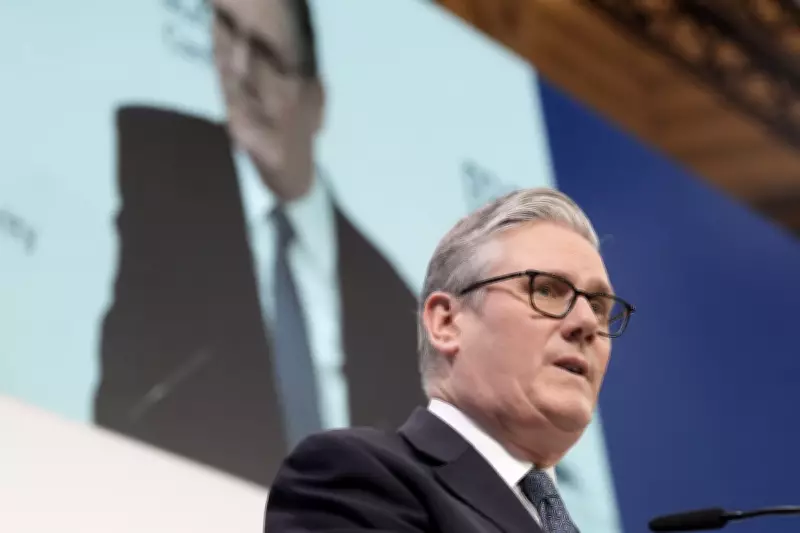
Prime Minister Sir Keir Starmer has firmly denied any knowledge of an investigation into journalists that was allegedly commissioned by the prominent think tank Labour Together. During a visit to a London community centre on Monday, Starmer confirmed that the Cabinet Office will be looking into these serious accusations.
Cabinet Office to Investigate Allegations
"I didn't know anything about this investigation, and it absolutely needs to be looked into," Starmer stated emphatically. "There will be a Cabinet Office investigation into the allegations, and quite right too." The Prime Minister added that the Cabinet Office would be "establishing the facts" regarding the matter.
The controversy stems from reports that Labour Together hired public relations firm Apco Worldwide in 2023 to investigate journalists from The Sunday Times, The Guardian, and other outlets. This investigation allegedly aimed to identify sources after stories emerged about the think tank's failure to declare over £700,000 in donations between 2017 and 2020.

Details of the Alleged Investigation
According to The Sunday Times, Apco Worldwide was paid £36,000 to conduct this probe, which reportedly resulted in a comprehensive 58-page document. This document is said to have contained details designed to discredit reporters who had investigated campaign finance breaches by Labour Together.
At the time of the alleged investigation in 2023, Labour Together was run by Josh Simons, who is now the Labour MP for Makerfield and serves as a Cabinet Office minister. The think tank was previously fined £14,250 in September 2021 for late reporting of donations totalling £730,000 after referring itself to the Electoral Commission.
Government Response and Press Freedom Concerns
Technology Secretary Liz Kendall addressed the situation during media appearances, stating that Simons "welcomed the investigation" into the allegations. When questioned about whether Simons' government position remained tenable given the reports, Kendall emphasized that "the Cabinet Office will also be looking into the facts of this case."
Kendall added a crucial point about democratic principles: "It is absolutely essential that we protect the freedom of the press." This sentiment was echoed strongly by media industry representatives who expressed deep concern about the implications of such investigations.
Media Industry Reaction
Dawn Alford, chief executive of the Society of Editors, described the accusations as "profoundly concerning" and warned of a potential "chilling effect" across the journalism industry. "Journalists asking questions about funding, influence or public life are not adversaries to be investigated; they are carrying out a fundamental democratic duty," Alford stated.
She expressed particular alarm about the precedent such actions might set: "The idea that reporters could themselves become the subject of intelligence-style inquiries simply for doing their jobs is profoundly troubling and sets a dangerous precedent, regardless of which political party or organisation is involved."
Broader Implications for Democracy
Alford emphasized the fundamental role of journalistic scrutiny in maintaining democratic accountability: "Robust journalism will sometimes be uncomfortable for those in positions of power, but scrutiny must never be met with attempts to undermine or intimidate those asking questions."
She connected the domestic situation to global press freedom challenges: "Public confidence in politics and institutions depends on transparency, not retaliation. Britain must uphold the highest standards at home at a time when journalists around the world face growing hostility and risk."
The Democracy For Sale newsletter had previously published similar allegations about the investigation into journalists. As the Cabinet Office prepares to examine these claims, the situation highlights ongoing tensions between political transparency and press freedom in British democracy.