Starmer's Dramatic Fight for Survival After Sarwar's Resignation Call
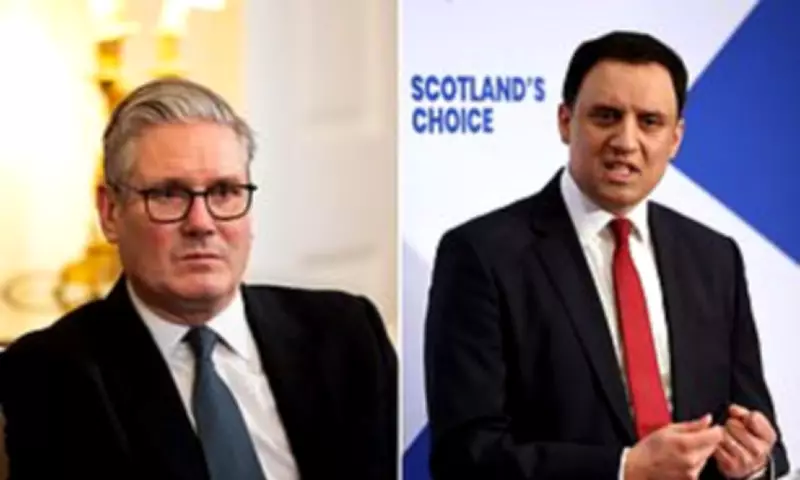
Prime Minister Keir Starmer was clinging to power this evening following a dramatic Cabinet intervention that granted him a late stay of execution. The political crisis erupted when Scottish Labour leader Anas Sarwar publicly demanded Starmer's resignation, citing "too many mistakes" in Downing Street and declaring that "the leadership has to change."
Cabinet's Delayed Support and Internal Panic
For more than 24 hours, Cabinet ministers had refused to publicly back the embattled Prime Minister following the dramatic departure of his chief of staff Morgan McSweeney on Sunday. Private discussions were reportedly held about potentially replacing Starmer with an interim leader such as Defence Secretary John Healey.
However, with leadership rivals unprepared to make their move and financial markets showing concern over the prospect of a chaotic contest, ministers finally bowed to pressure from Number 10. In a belated flurry of social media posts that began just as Sarwar made his dramatic intervention, every Cabinet member issued statements of broad support for the Prime Minister.

One Labour source revealed that ministers had been told to voice their support for Starmer by the end of the day or face dismissal from their positions. The Prime Minister had already been reeling from the departure of his communications director Tim Allan earlier in the day, following McSweeney's exit.
Sarwar's Damning Intervention
Anas Sarwar, once considered an ally of Sir Keir, delivered his devastating blow during a carefully timed statement. "I have to be honest about failure wherever I see it," the Scottish Labour leader declared. "The distraction has to end, the leadership has to change."
Sarwar had informed the Prime Minister of his intentions in advance, triggering immediate panic in Downing Street and sparking a major rescue operation. His intervention forced senior Labour figures to make a snap decision about whether to back the Prime Minister or move against him.
The crisis stems from public revulsion over Starmer's decision to appoint Lord Mandelson as ambassador to the United States despite knowing that Mandelson had maintained a friendship with convicted paedophile financier Jeffrey Epstein following his conviction for child sex offences.
Leadership Rivals Hold Fire
None of Starmer's likely successors, including Angela Rayner and Health Secretary Wes Streeting, appeared confident of winning an immediate leadership battle. Labour sources indicated strong opposition within the party to triggering a contest before vital local elections scheduled for May.
In a surprising development, allies of Wes Streeting claimed that Number 10 had falsely accused him of being in league with Sarwar at the very moment he was recording a television interview backing the Prime Minister. Streeting subsequently published details of his email exchanges with Peter Mandelson in an attempt to draw a line under claims that his leadership ambitions might be derailed by their past friendship.
The released messages revealed that Streeting had privately complained about Labour's performance, including expressing concern that the government had "no growth strategy at all."
Defiant Response and Future Challenges
In a defiant address to Labour MPs later in the day, Sir Keir vowed to battle on, declaring: "Every fight I've ever been in, I have won." The Prime Minister insisted he wanted to remain in office to take on Nigel Farage at the next election, describing the battle with Reform UK as "the fight of our lives, the fight of our times."
However, ministers warned Starmer that he would need to make radical changes to survive the ongoing crisis. Technology Secretary Liz Kendall backed him to stay and "steady the ship" but added: "We also need to change course." Education Secretary Bridget Phillipson acknowledged that the government had "made mistakes" but insisted Sir Keir would still be Prime Minister by the summer.
Polling and Electoral Pressures
A Find Out Now poll of 2,000 voters found that the public wants Sir Keir to resign by a margin of 50 to 22 percent. Labour MPs have warned that the Prime Minister could still be forced out if the party loses a looming by-election in Manchester this month or suffers significant defeats in May's elections.

Scottish and Welsh parliamentary elections will be held alongside a major round of council elections in England during May, creating multiple pressure points for the embattled Prime Minister. Veteran Labour MP Graham Stringer stated that Starmer "cannot survive this amount of chaos," while MP Peter Lamb urged the Prime Minister to name his departure date immediately.
Despite the temporary reprieve, Starmer faces an uphill battle to regain control of a government that has been rocked by the Mandelson scandal and internal dissent. The coming weeks will prove crucial in determining whether he can maintain his grip on power or whether this dramatic day marks the beginning of the end for his premiership.