Prime Minister Sir Keir Starmer has delivered a profound apology to the victims of convicted sex offender Jeffrey Epstein, expressing deep regret for having believed what he now describes as "lies" told by Lord Peter Mandelson regarding his relationship with the financier. The apology comes amid a growing political crisis surrounding Starmer's decision to appoint Mandelson as British Ambassador to Washington, a move that has sparked fury within his own party and calls for his resignation.
A Public Apology and Political Defiance
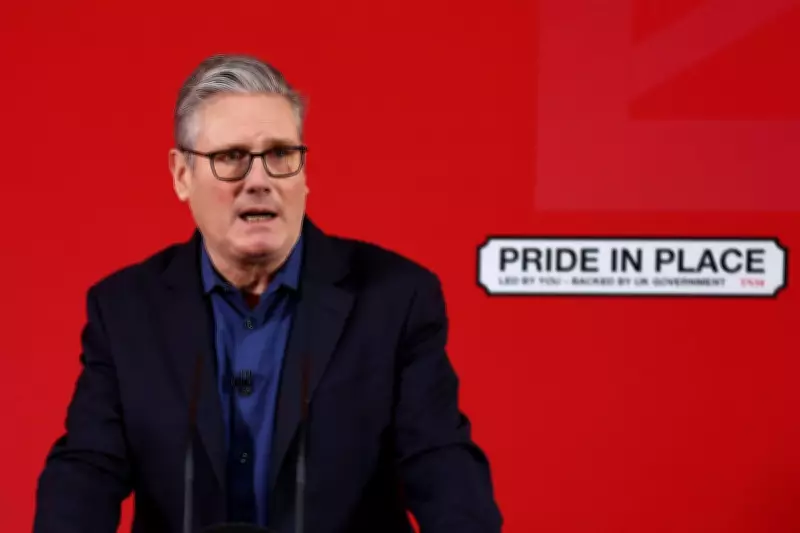
Speaking during a community regeneration event in Hastings on Thursday, Sir Keir addressed the escalating scandal head-on. "The victims of Epstein have lived with trauma that most of us can barely comprehend, and they've had to relive it again and again," the Prime Minister stated solemnly. He continued with a direct apology: "I want to say this: I am sorry, sorry for what was done to you, sorry that so many people with power failed you, sorry for having believed Mandelson's lies and appointed him, and sorry that even now you're forced to watch this story unfold in public once again."
Despite mounting pressure from Labour backbenchers, Sir Keir struck a defiant tone regarding his political future. "I was elected on a mandate in 2024 to change the country for the better," he asserted, "and that's what I intend to do." He acknowledged sharing the "anger and frustration" of colleagues about the saga but vowed to continue as Prime Minister, emphasising his commitment to government initiatives like the community regeneration programme he was promoting.

The Depth of Deception Revealed
The Prime Minister revealed that Lord Mandelson had been "asked directly" about the nature of his relationship with Epstein, specifically whether he had maintained contact after Epstein's conviction or accepted gifts from him. "The information now available makes clear that the answers he gave were lies," Sir Keir declared. "He portrayed Epstein as someone he barely knew. And when that became clear and it was not true, I sacked him. Such deceit is incompatible with public service."
Sir Keir admitted that while it was "publicly known for some time that Mandelson knew Epstein," the true "depth of the darkness" of their relationship had not been apparent during the appointment process. He pointed to potential failures in the security vetting process, stating: "I think we need to look at the security vetting, because it now transpires that what was being said was not true. And had I known then what I know now, I'd never have appointed him in the first place."
Political Fallout and Internal Dissent
The scandal has triggered significant internal dissent within the Labour Party, with backbenchers reportedly calling for the dismissal of Sir Keir's chief of staff, Morgan McSweeney, whom many blame for facilitating Mandelson's appointment. One Labour MP described WhatsApp chats among colleagues as having gone "eerily quiet," suggesting a "sombre" mood that could indicate behind-the-scenes plotting. The MP stated bluntly that McSweeney "has got to go," expressing disappointment that he had not already been removed from his position.
In a significant concession to parliamentary pressure, the Government has relinquished control over the release of documents related to Mandelson's appointment. Following what was described as a "mutiny" led by former deputy prime minister Angela Rayner, Downing Street has agreed to allow Parliament's Intelligence and Security Committee to determine what correspondence should be made public. However, publication may face delays after the Metropolitan Police requested that documents potentially undermining their investigation into whether Mandelson passed confidential government information to Epstein be withheld.
Opposition Calls for Confidence Vote
Opposition parties have seized upon the crisis, with Conservative leader Kemi Badenoch challenging Labour MPs to support a vote of no confidence in the Prime Minister. "He will have to be dragged out of Number 10," Badenoch declared at a Westminster press conference. "If they want the change they know the country needs, come and speak to my whips and let's talk seriously about a vote of no confidence to force the moment."

Liberal Democrat leader Sir Ed Davey echoed this sentiment, calling for an immediate confidence vote "to see whether Labour MPs have any confidence in the Prime Minister, so the Government can get past this one way or the other and start focusing on the change our country needs."
Despite the political storm, Sir Keir remained focused on his government's agenda, expressing frustration that "tomorrow's front pages are unlikely to be about the pride in place project" he was promoting in Hastings. He maintained that such initiatives represented "the change that will affect millions of lives" and pledged to remain focused on delivering them, even as the Mandelson scandal continues to dominate political discourse.