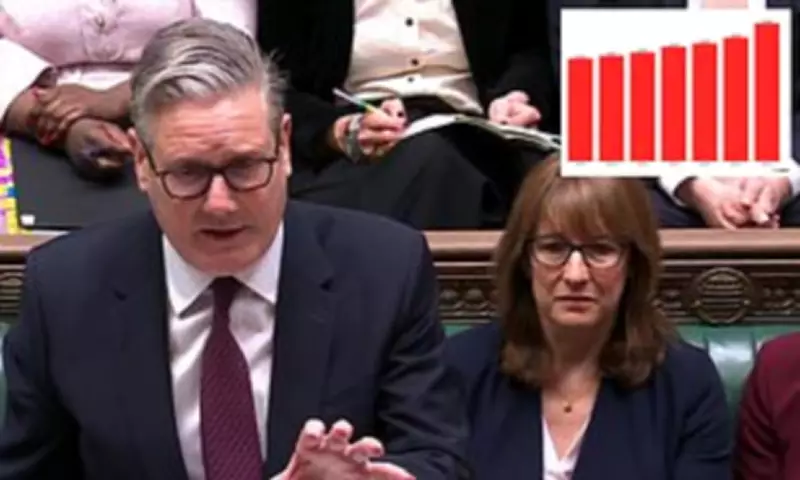
Prime Minister Keir Starmer and Chancellor Rachel Reeves will be largely insulated from the severe energy price pain confronting British households due to escalating Middle East tensions. While experts warn of potential economic shocks worse than the 1970s energy crisis, the nation's top leaders benefit from protected arrangements at their official residences.
Protected Utility Costs at Downing Street
Both the Prime Minister and Chancellor reside in grace-and-favour apartments at 10 and 11 Downing Street, where they pay a fixed, low charge for all utilities including heating, lighting, and other running costs. This expense is treated as a taxable benefit capped at just 10 per cent of their ministerial salaries.
For Sir Keir, who earns £174,000 annually as Prime Minister and MP, this means contributing approximately £3,000 toward all residence expenses. Chancellor Rachel Reeves, with a salary around £164,000, pays a similar capped amount. Crucially, these fixed contributions will not increase even as household energy bills are projected to surge more than 20 per cent when the price cap changes in July.

Limited Exposure to Soaring Costs
Beyond protected housing costs, both leaders have chauffeur-driven official cars, shielding them from the alarming pump price increases that have already affected motorists over the past month. They also benefit from some of the lowest council tax rates in the country through their Westminster residences.
Meanwhile, former Bank of England officials have cautioned that Iran's potential closure of the Strait of Hormuz could create a "long-term reduction in supply" requiring the government to consider rationing energy consumption for the general public.
MPs Receive Substantial Pay Increase
As households brace for economic hardship, Members of Parliament are set to receive a 5 per cent pay rise effective next month, increasing their salaries to £98,599. This increase substantially outpaces offers to NHS staff and most public sector workers, who face much more modest compensation adjustments.
The Independent Parliamentary Standards Authority, which sets MP salaries, defended the raise by claiming parliamentary work has grown more "complex." The watchdog further indicated that politician salaries will continue rising rapidly, projected to reach £110,000 by 2029 through annual increments.
Government Response to Growing Crisis
Ministers have attempted to downplay concerns about the potential impact of Middle East conflicts on energy markets, even as experts compare the situation to the notorious 1970s energy shock that triggered global recession. Treasury accounts confirm the special arrangements for Downing Street residents, noting that utility expenses "are chargeable to tax" under existing legislation with the benefit "capped at 10 per cent of gross salary."
This disparity between protected political leaders and struggling households highlights growing tensions as Britain faces what could become its most severe energy crisis in decades, with ordinary citizens bearing the brunt of international conflicts and market disruptions while those in power enjoy financial safeguards.