SNP and Greens Demand More Immigration for Scotland in Heated Election Debate
SNP and Greens Demand More Immigration for Scotland in Debate

SNP and Scottish Greens Push for Increased Immigration in Fiery Pre-Election Debate

In a heated television debate broadcast on BBC Scotland's Debate Night special on Sunday, the Scottish National Party and Scottish Greens made a forceful case for significantly increasing immigration to Scotland. The exchanges occurred just weeks before the crucial Holyrood elections scheduled for 7 May, with party leaders clashing over one of the most contentious issues in contemporary British politics.

Economic and Demographic Imperatives Cited

First Minister and SNP leader John Swinney presented a stark economic argument, stating unequivocally that Scotland 'does not have a big enough working-age population' to sustain its economy and public services. 'We need to welcome people to come into our workforce,' Swinney declared, noting that unemployment in Scotland currently stands at 'very, very low' levels. The SNP leader framed immigration as essential for Scotland's economic vitality as his party seeks an unprecedented fifth consecutive term governing from Edinburgh.

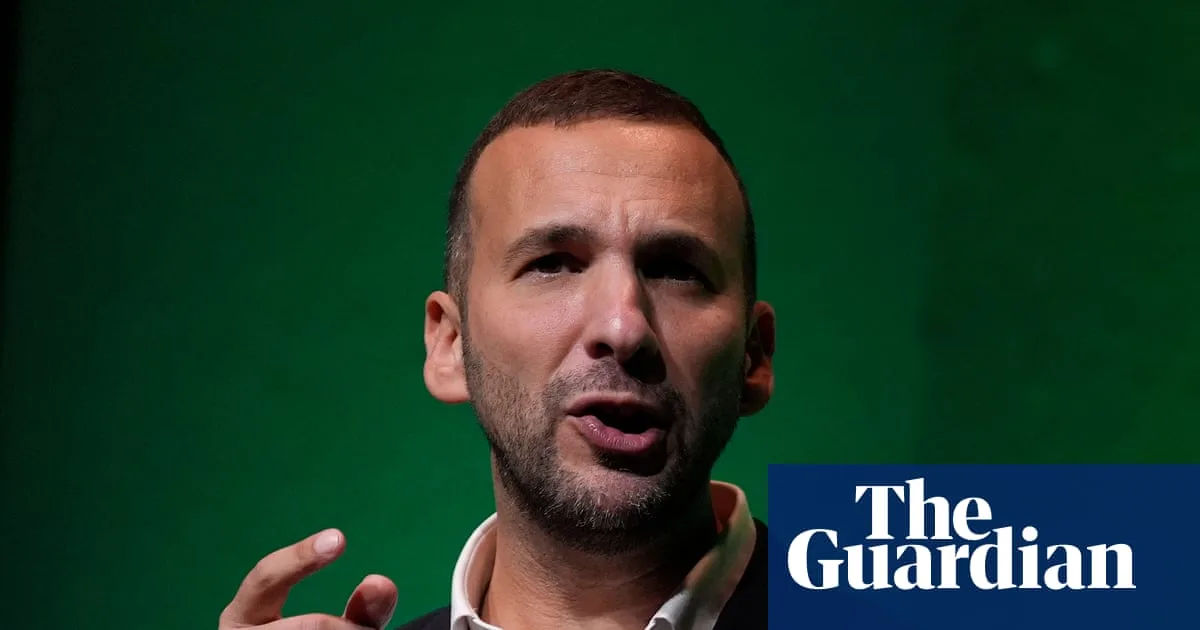
Scottish Greens co-leader Ross Greer echoed and expanded upon Swinney's arguments, describing Scotland's demographic challenges as a pressing 'reality' that requires immediate attention. 'The problem is we do not have enough immigration to meet the needs of the country,' Greer asserted. He provided a striking illustration of the scale of the workforce shortage, noting that 'if every young person leaving school in Scotland today went to work in social care, there still wouldn't be enough care workers.'

Wide Pickt banner — collaborative shopping lists app for Telegram, phone mockup with grocery list

Public Services and Rural Communities at Stake

Greer emphasized that immigration represents not just an economic necessity but a fundamental requirement for maintaining Scotland's public services and community fabric. 'We need immigration to keep our health service going,' he stated. 'We need it to keep our social care sector going, we need it to keep our rural communities - in particular - alive.' The Green co-leader expressed pride that people want to live in Scotland while simultaneously framing immigration as an urgent practical requirement.

The Scottish Greens leader launched a pointed attack on other parties' immigration policies, declaring it 'absolutely disgraceful' that Labour, Conservatives, and Reform UK all maintain policies that 'make it harder to come here and be a social care worker' during what he described as a 'social care crisis.'

Opposition Parties Advocate for Control and Reform

Scottish Conservative leader Russell Findlay presented a contrasting perspective, acknowledging the value of immigration while emphasizing the need for control. 'We want to attract people to this country where they can contribute to society,' Findlay stated. However, he argued that 'far too many people have been coming here illegally' in recent years, claiming the numbers have spiraled 'out of control.'

Scottish Labour leader Anas Sarwar adopted a more nuanced position, acknowledging that migration has been 'good for Scotland' and noting that 'so many' NHS doctors and nurses come from migrant communities. Sarwar conceded that Britain has 'a broken immigration system that has to be fixed' and recognized public 'frustration' with illegal migration creating perceived unfairness. 'I think most people would respect the fact that skilled, legal migration is good for our economy,' he added.

Reform UK's Fiscal Warning and 'Boriswave' Criticism

Reform UK's Scottish leader Malcolm Offord delivered the most strident criticism of current immigration levels, attacking what he termed a post-Brexit 'Boriswave' of immigration under previous Conservative governments at Westminster. 'The Conservative Party lost control of the borders,' Offord declared. 'What's happened here is that puts a lot of pressure on public services.'

Offord distinguished between different types of immigration, stating: 'I am in favour of controlled immigration, legal immigration - people who want to come here and make a contribution and put in more than they take out.' However, he expressed strong opposition to 'people coming here for the benefit of public services and jumping the queue for the detriment of local people in our own communities.'

Pickt after-article banner — collaborative shopping lists app with family illustration

Staggering Cost Projections Presented

Reform UK presented new analysis suggesting dire fiscal consequences from recent immigration patterns. The party claimed that approximately 1.6 million people who moved to the UK between 2021 and 2024 under Boris Johnson and his Conservative successors are set to receive indefinite leave to remain. According to Reform's calculations, the long-term costs of NHS care, benefits, and infrastructure required to accommodate this increased population would reach £622.5 billion in real terms by 2085.

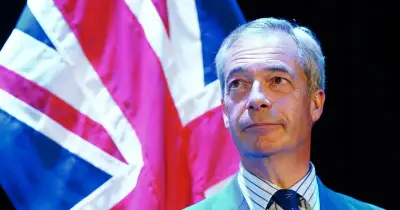
Nigel Farage's party asserted this would 'bankrupt' British taxpayers, representing a staggering £20,000 liability for every household in the United Kingdom. Reform UK's home affairs spokesman Zia Yusuf warned: 'We are standing on the edge of a fiscal disaster. The Boriswave is a legacy of Tory incompetence and Labour's open border ideology.'

The debate highlighted profound divisions on immigration policy as Scotland approaches pivotal elections, with parties offering fundamentally different visions for how the nation should address demographic challenges, economic needs, and border control in the coming parliamentary term.