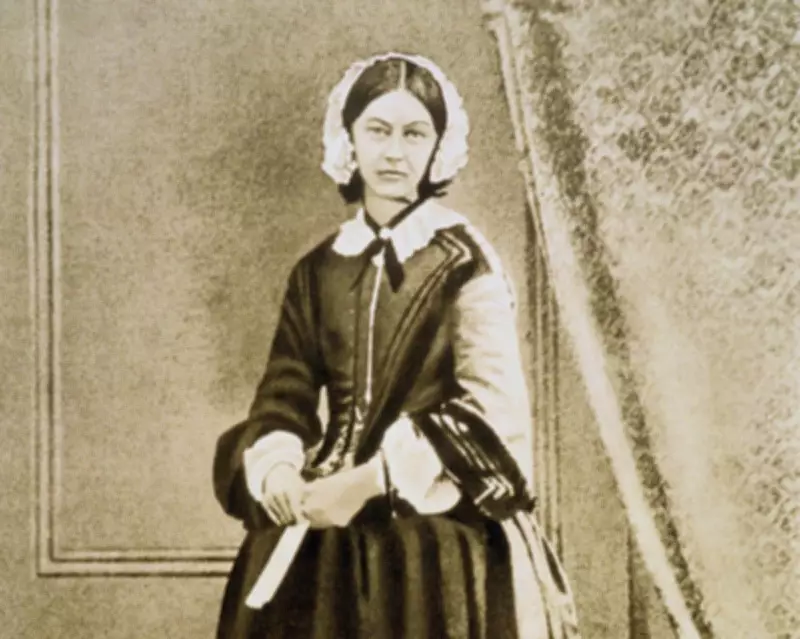
In a thought-provoking exploration of cultural contrasts, a long-running series invites readers to ponder the ultimate fish-out-of-water scenario: what if iconic historical figures like William Shakespeare, Florence Nightingale, or Julius Caesar were suddenly transported to modern-day Trafalgar Square in London? This imaginative exercise delves into how these timeless individuals might react to the rapid technological advancements and societal shifts that define our contemporary world.
The Disorientation of Time Travel
Picture Shakespeare, the bard of Avon, stepping into the bustling heart of London today. Instead of cobblestone streets and horse-drawn carriages, he would be greeted by towering skyscrapers, neon lights, and the constant hum of traffic. The sheer scale and pace of urban life might leave him bewildered, as he navigates a city transformed beyond recognition from the Elizabethan era he knew.
Technological Wonders and Confusions
One of the most striking aspects for any historical figure would be the omnipresence of technology. Florence Nightingale, known for her pioneering work in nursing, might marvel at modern hospitals with advanced medical equipment, yet be perplexed by the reliance on computers and digital records. Similarly, Attila the Hun, a warrior from ancient times, could find the concept of cybersecurity and drones utterly alien, challenging his notions of warfare and communication.

As readers contribute their insights, they highlight how we might explain these innovations. For instance, to Shakespeare, we could describe smartphones as "pocket-sized theatres" that connect people globally, while to Jane Austen, social media might be framed as a rapid-fire version of the gossip and social networks she depicted in her novels.
Cultural and Social Shifts
Beyond technology, the social fabric of London would present its own surprises. Julius Caesar, accustomed to the rigid hierarchies of ancient Rome, might struggle with modern democratic values and gender equality. Pocahontas, from a Native American context, could be both amazed and concerned by environmental issues like climate change, seeing the impact on nature in a way that echoes her connection to the land.
Reader Engagement and Reflections
This series encourages readers to post their answers and pose new questions, fostering a community dialogue about history and modernity. By imagining these encounters, we gain a deeper appreciation for how far society has come and the enduring relevance of historical perspectives in understanding our own world.
Ultimately, dropping Shakespeare or Nightingale into Trafalgar Square serves as a powerful metaphor for the disjuncture between past and present. It prompts us to reflect on what we take for granted and how we might bridge the gap in explaining our complex, fast-evolving reality to those from another time.