
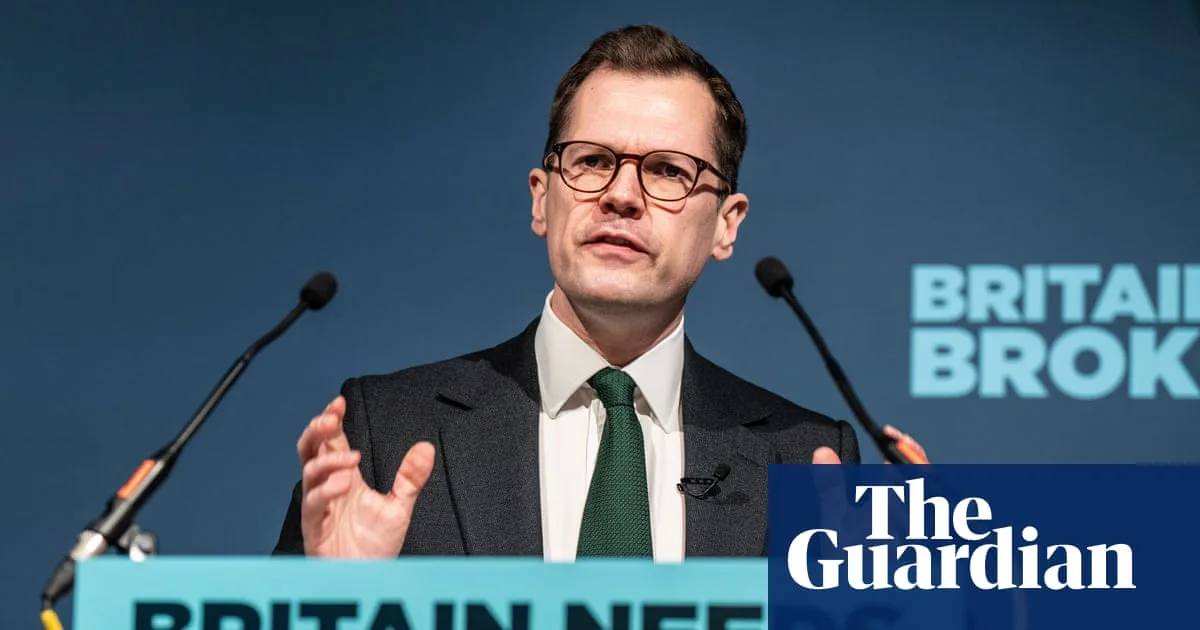
Reform UK would restore the two-child benefit cap in full, Robert Jenrick has announced, marking a significant U-turn for the party. In his first speech as Reform’s Treasury spokesperson, Jenrick said the party had changed its stance since Nigel Farage last year said he would scrap the limit and suggested going further to encourage families to have children.
As part of a broad attack on welfare, Jenrick also proposed reforming the Motability scheme for disabled people, ending access to benefits for non-British nationals, and stopping payments for conditions like mild anxiety and depression unless clinically diagnosed. He argued that the changes would address abuse and ensure support goes to those most in need.
The announcement drew sharp criticism from Prime Minister Keir Starmer, who called it “shameful” and warned it would push hundreds of thousands of children into poverty. Reform UK leader Nigel Farage defended the U-turn, saying his earlier attempts to be “pro-family” had failed and had led to him being labelled a socialist.
In a move to reassure markets, Jenrick indicated that the party would maintain the independence of the Bank of England and would not abolish the Office for Budget Responsibility (OBR), despite previous comments from Farage suggesting he wanted greater political influence over monetary policy and fiscal oversight.
Jenrick emphasised that Reform UK would pursue “fiscal stability” alongside “radical reform”. He said the Bank of England would be stripped of its role in achieving net-zero targets, which he called a “distraction”, and that the OBR would be retained but its forecasting improved by hiring “super forecasters”.




