Scottish Tory Leader Vows to Slash Quangos and Cut Public Sector 'Professional Class'
Scottish Conservatives Pledge to Cut Quangos and Public Sector Bureaucracy

Scottish Tory Leader Unveils Radical Plan to Trim Public Sector Bureaucracy

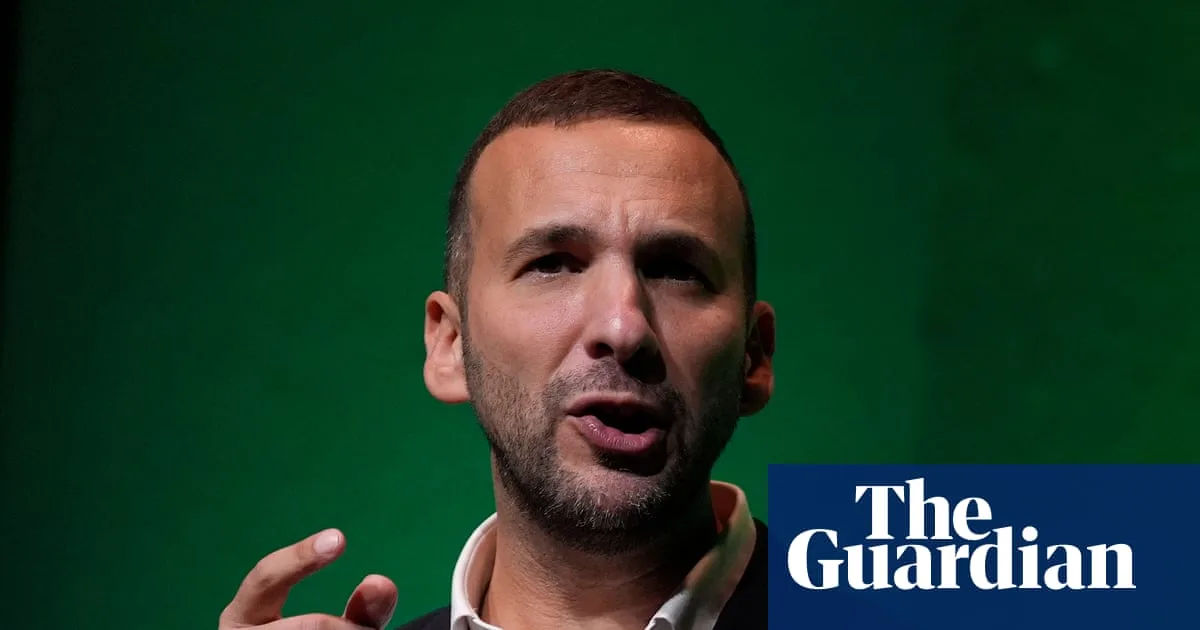
Russell Findlay, the Scottish Conservative leader, has made a bold commitment to dramatically reduce Scotland's public sector 'professional class' by wielding the axe on numerous quangos. In a significant policy announcement, Findlay specifically named several bodies he intends to scrap, including the Scottish Land Commission, Community Justice Scotland, the ferries organisation Caledonian Maritime Assets Limited (CMAL), and Architecture and Design Scotland.

Manifesto Pledge to Cut Quangos by at Least 25%

This declaration follows the Scottish Conservative manifesto pledge to cut the number of Scottish Government quangos by 'at least a quarter'. The party's ambitious proposal to slash income tax rates received notable backing yesterday from the Institute for Fiscal Studies (IFS), which acknowledged the plan was 'fully costed on paper'. However, the IFS simultaneously issued a cautionary warning that additional 'substantial cutbacks' to public services might still be necessary to balance the books.

Funding Tax Cuts Through Public Sector Reforms

During an interview on BBC Radio Scotland Breakfast, Mr Findlay elaborated that his proposed tax reductions would be partially financed by eliminating 'middle-management' roles and streamlining corporate functions within the public sector. 'We've identified there's around 130 public bodies in Scotland,' he stated. 'Many of these aren't necessary, many of these are doing the same work as one another.'

Wide Pickt banner — collaborative shopping lists app for Telegram, phone mockup with grocery list

When pressed to specify which organisations would face the cull, Findlay responded: 'The Scottish Land Commission, Community Justice Scotland, CMAL, who were responsible for the corrupt CalMac ferry debacle, there's two organisations that deal with architecture, two public bodies that deal with architecture in Scotland.'

Findlay argued passionately that much of this bureaucratic work is unnecessary and fails to deliver value for taxpayers. 'When people are going out working hard to pay their taxes, they want to see improved public services, they want to see the bins emptied, they want to see potholes filled, they want to see police officers on their streets,' he emphasised. 'They don't want to pay for vast reams of a professional class that serve no purpose and add no value.'

Targeting Benefits System and Redirecting Savings

The Scottish Conservative leader identified another key area for savings: the 'out of control State benefit system'. He criticised the current SNP Government for spending '£1 out of every seven on benefits', claiming there is 'a huge amount of waste' that could be redirected.

According to the Scottish Tory manifesto, the cost of running the Scottish Government and its associated quangos would be reduced by £1.5 billion annually, with these substantial savings being redirected to frontline services. The document also commits to cutting the number of quangos by 'at least a quarter to end the culture of important policy decisions being delegated to anonymous bureaucrats'.

Detailed Tax Reform Proposals

The manifesto outlines specific income tax reforms, including abolishing the 20p basic rate and 21p intermediate rate. This would mean taxpayers would pay a simplified 19p rate above the tax-free personal allowance until reaching the higher rate threshold, currently set at £43,663.

Additionally, the Conservatives pledge to raise the point at which people begin paying income tax by at least inflation every year throughout the next parliamentary term. Although the tax-free personal allowance remains a reserved matter, Mr Findlay explained this would be achieved by creating a new 0 per cent band, effectively increasing the personal allowance for Scottish taxpayers.

IFS Analysis and Political Response

In its comprehensive analysis of the manifesto, the IFS acknowledged that 'it is welcome that these costs are set out clearly in a costed document'. However, the institute warned that projected savings from cuts to disability benefits—which are intended to fund one-third of the £6 billion package—might be lower than anticipated. The IFS further stated there is 'no evidence' that efficiencies of the proposed scale are realistically achievable.

Pickt after-article banner — collaborative shopping lists app with family illustration

David Phillips, head of devolved and local government finance at the IFS, offered a sober assessment: 'Taking the entire package of measures together, this may be a costed plan on paper but whether it would survive contact with reality is far from clear. Scotland can have lower taxes and higher spending on some services – but giveaways on the scale proposed by the Scottish Conservatives cannot credibly be funded largely through back-office and administrative savings.'

Phillips added a significant caveat: 'In addition to the cuts to benefits set out in the manifesto, there would likely need to be substantial cutbacks to either the range or quality of some services used by households and businesses too.'

Conservative Defence of Their Plans

Scottish Conservative finance spokesman Craig Hoy responded to the IFS analysis by stating: 'We welcome the scrutiny from the IFS about our manifesto, which is the most comprehensive the Scottish Conservatives have produced for a Holyrood election. It is pleasing they are supportive of our plans to simplify Scotland's income tax and business rate systems, and that they appreciate us proactively publishing a costings document alongside our manifesto.'

Hoy added a pointed rebuttal: 'We disagree with the IFS' assessment that savings cannot be made to the huge amount of bureaucracy that has spiralled out of control under the SNP, which even they have admitted is too large.'

The debate sets the stage for a contentious political battle over the size and scope of Scotland's public sector, with the Scottish Conservatives positioning themselves as the party of fiscal responsibility and streamlined government, while critics question the feasibility of their ambitious savings targets.