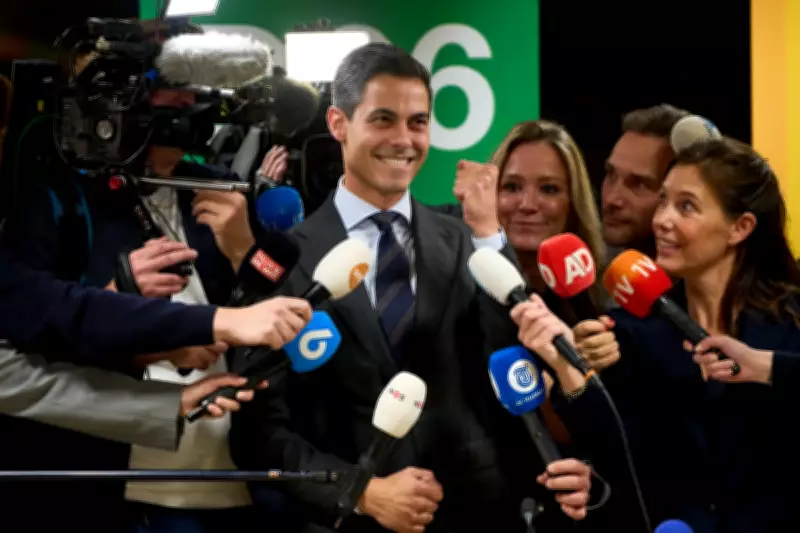
Rob Jetten, aged 38, was officially sworn into power on Monday, becoming the youngest Prime Minister in the history of the Netherlands. He leads a new minority coalition government that holds only 66 out of 150 seats in the Dutch parliament, necessitating ongoing negotiations with opposition parties to secure legislative approval.
Immediate Challenges for the New Administration
The three-party administration confronts significant hurdles from the outset, with the Green Left and Labour Party already voicing strong opposition to proposed reductions in healthcare and welfare costs. This political dynamic underscores the fragile nature of the coalition, which must navigate a divided parliament to implement its agenda.
Jetten's Key Policy Objectives
Rob Jetten has outlined ambitious goals for his tenure, focusing on fostering a new era of parliamentary consensus to bridge political divides. He aims to reset the Netherlands' influential role within the European Union, seeking to strengthen diplomatic ties and enhance the country's standing on the continental stage. Additionally, maintaining robust support for Ukraine remains a cornerstone of his foreign policy, aligning with broader international efforts.

Notable Cabinet Appointments
The new Prime Minister has assembled a key team of ministers to steer his government's priorities. Tom Berendsen takes on the role of Foreign Minister, tasked with managing international relations. Eelco Heinen retains his position as Finance Minister, bringing continuity to economic policy. Dilan Yeşilgöz-Zegerius is appointed as Defence Minister, overseeing military and security matters, while Bart van den Brink assumes responsibility for Asylum and Immigration, addressing critical domestic and border issues.
This administration marks a pivotal moment in Dutch politics, as Jetten's youth and minority status could reshape governance through increased collaboration and strategic alliances in a challenging parliamentary landscape.