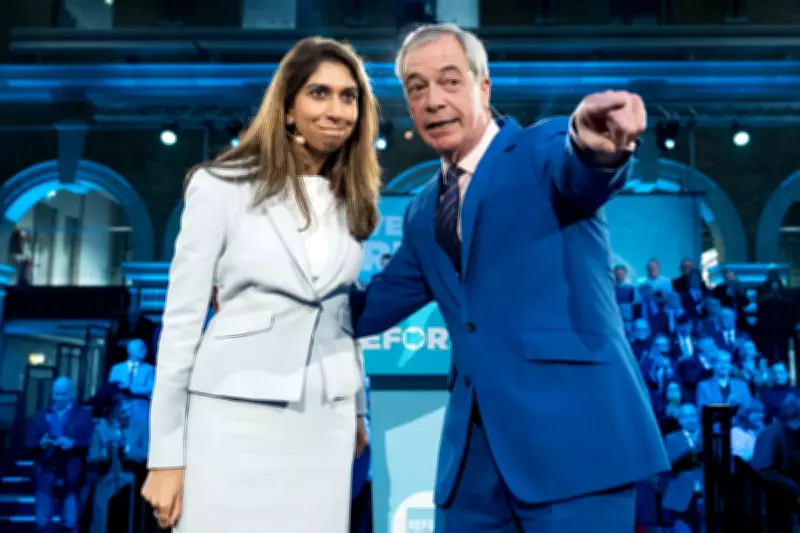
Reform UK's Controversial Pledge to Abolish Equality Act
The latest escalation in Nigel Farage's self-declared 'war on woke' has sent shockwaves through British society, with Reform UK announcing plans to scrap the Equality Act if elected. This landmark 2010 legislation, which safeguards individuals from discrimination, harassment, and victimisation in workplaces and broader society, faces potential dismantling under Reform's policy agenda.
The Far-Reaching Protections of the Equality Act
Since its implementation by a previous Labour government, the Equality Act has woven itself into the fabric of British life, establishing fundamental protections for millions. The legislation makes discrimination unlawful based on nine protected characteristics, creating a social safety net comparable to the welfare system and NHS.
The Act provides crucial safeguards for:

- Approximately 38 million religious followers
- An estimated 11 million ethnic minority individuals
- 10.4 million people with physical or mental disabilities
- Two million lesbians, gays, and bisexuals
- Hundreds of thousands of trans-identifying people
Furthermore, the legislation offers workplace protections against direct discrimination and victimisation for 835,000 pregnant women annually through pregnancy and maternity provisions. Essentially, every British citizen benefits from protections against sexism and ageism, making the Equality Act's principles universally applicable.
Disability Rights: Where the Equality Act Falls Short
Despite its comprehensive framework, the legislation has proven inadequate for disability rights in practice. Wheelchair users navigating London's public transport system in 2026 face persistent accessibility challenges, while prominent figures like Paralympian Baroness Tanni Grey-Thompson and BBC security correspondent Frank Gardner regularly experience abandonment when promised assistance fails to materialise.
The harrowing experience of Paralympian Anna Wafula-Strike exemplifies systemic failures: left stranded on a plane after returning from championships and forced to endure humiliation when disabled facilities were unavailable during a train journey. For millions with impairments, true equality remains an elusive goal rather than a lived reality.
Political Motivations and Electoral Calculations
Reform UK's proposal forms part of their broader cultural campaign, despite the Equality Act serving fundamentally different purposes than their characterisation suggests. The legislation bears no responsibility for controversial rulings under the European Convention on Human Rights regarding foreign criminals' rights, which Reform separately targets for abolition.
Electoral considerations loom large, with concerns that scrapping the Act might prove politically popular despite its consequences. While most Reform voters would likely condemn direct abuse against wheelchair users, many may support dismantling the legislation without fully considering its impact on vulnerable groups.
The Equality Act represents more than legal technicalities – it embodies British decency through simple principles: don't discriminate, play fair. Its abolition would legalise various forms of discrimination, undermining protections that have become integral to national life. As Reform advances its agenda, the motives behind targeting this foundational legislation warrant careful scrutiny from all citizens concerned with maintaining a just society.