Reform UK's Jenrick Announces U-Turn on Two-Child Benefit Cap in Policy Shift
Reform UK's Jenrick Announces U-Turn on Two-Child Benefit Cap

Reform UK's Treasury Spokesperson Announces Major Policy U-Turn on Benefits

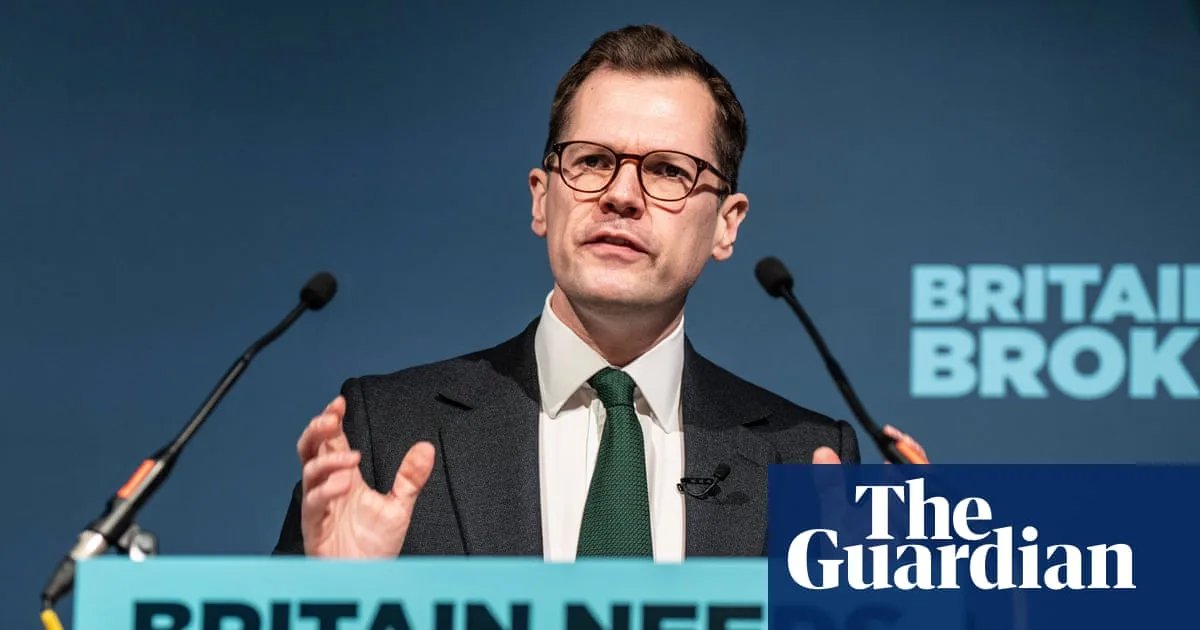
In a significant shift for Reform UK, Robert Jenrick has declared that the party will fully restore the two-child benefit cap, a move critics argue could push hundreds of thousands of children into poverty. During his inaugural speech as the party's Treasury spokesperson, Jenrick described himself as Reform's 'shadow chancellor' and outlined a series of controversial changes to the welfare system.

Jenrick's Stance on Benefits and Disability Support

Jenrick emphasised that Reform UK has altered its position since Nigel Farage, the party leader, previously advocated for scrapping the two-child limit to encourage larger families. Jenrick stated, 'We want to help working families have more children. But right now, we just cannot afford to do so with welfare. So it has to go.' He confirmed that a Reform government would reinstate the cap entirely.

Additionally, Jenrick proposed reforms to the Motability scheme, which assists disabled individuals with vehicle leases, aiming to 'end abuse' where expensive cars are provided for conditions he deemed minor, such as tennis elbow. He argued these costs are unfairly borne by taxpayers who cannot afford such vehicles themselves.

Under the new proposals, only British nationals would be eligible to claim benefits, and individuals with mental health issues like mild anxiety or depression would be barred from receiving support unless they have a clinical diagnosis. Jenrick explained this measure is intended to 'weed out those who are choosing a life on benefits.'

Response from Political Opponents and Farage's Comments

Prime Minister Keir Starmer condemned the announcement, labelling it 'shameful' and highlighting his government's decision to abolish the two-child limit. Starmer warned that Reform's plans risk increasing child poverty significantly.

When questioned about the policy reversal, Nigel Farage clarified that his initial intent was to lift the cap solely for working British families, but his pro-family stance had been misinterpreted and criticised. He acknowledged that his efforts had 'failed' and led to accusations of socialism.

Commitment to Financial Institutions and Fiscal Stability

In an effort to reassure financial markets, Jenrick affirmed that Reform UK would preserve the independence of the Bank of England and retain the Office for Budget Responsibility (OBR). This stance appears to contrast with earlier statements from Farage, who has expressed desires for greater political influence over the central bank and considered replacing its governor.

Jenrick criticised the Bank of England for being distracted by net zero initiatives, proposing instead to hire 'super forecasters' to improve economic modelling. While he acknowledged the OBR's imperfections, he supported its role in promoting fiscal discipline, stating Reform is 'happy to have its homework marked.'

Criticism from Treasury and Shadow Chancellor

Treasury minister Dan Tomlinson accused Jenrick of attempting to deceive the public, pointing to what he described as billions in unfunded spending commitments by Reform. Shadow Chancellor Mel Stride dismissed the party as 'not serious' on economic matters, citing a £10.5 billion funding gap in their policies.

This announcement marks a pivotal moment for Reform UK as it navigates internal policy disagreements and external scrutiny over its economic proposals.




