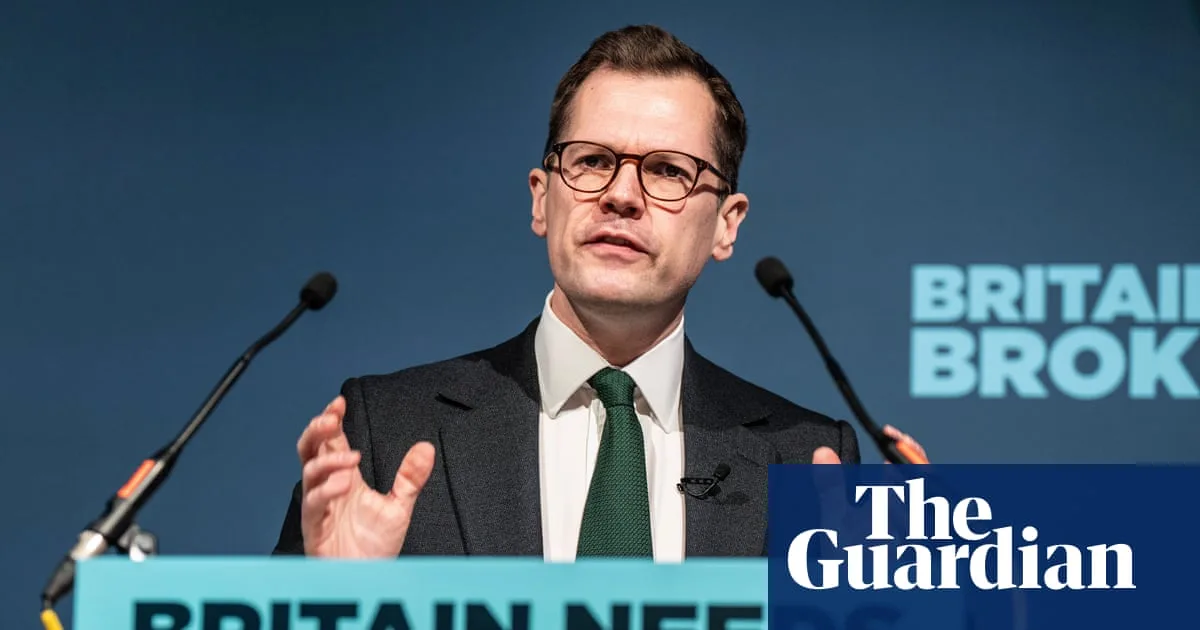
In a significant policy announcement, Robert Jenrick, Reform UK's prospective Chancellor, has committed to a sweeping overhaul of the benefits system, which he describes as "broken" and an "economic and moral disaster." Speaking in the City of London, Jenrick outlined plans that include restoring the two-child benefit cap and imposing stricter requirements for Personal Independence Payment (PIP) claims based on mental health grounds.
Major Clampdown on Handouts
Jenrick vowed that if Reform wins the next election, the party would orchestrate a major clampdown on handouts, aiming to "defuse the benefits bomb set to bankrupt Britain." This crackdown is designed to address what he sees as systemic flaws in the current welfare framework, which he argues is unsustainable and in need of urgent reform.
Restoring the Two-Child Cap
A key element of Reform's plan is the restoration of the two-child cap on receiving child benefits, which was recently eased by Labour under Sir Keir Starmer. Originally introduced by the Conservative government in 2017, this cap prevents parents from claiming universal credit or tax credits for more than their first two children. It has faced criticism from Labour MPs and anti-poverty advocates, but Jenrick insists it is necessary to control costs.
According to the Office for Budget Responsibility (OBR), scrapping the cap is estimated to cost £3 billion by 2029-30. The Government announced in the autumn budget that the two-child cap is being scrapped from April, a move that previously led to the suspension of seven Labour MPs for voting against the Government in motions to lift it.
Tightening PIP Rules for Mental Health Claims
Another major reform proposed by Jenrick involves tightening the rules for PIP claims on mental health grounds. Currently, individuals can self-diagnose, but under Reform's plan, they would be forced to provide a clinical diagnosis before receiving cash. This change aims to curb what Jenrick calls "abuse" of the system and ensure that benefits are directed only to those with verified medical needs.
Official forecasts released last month reveal that the annual bill for PIP is predicted to jump from £25.9 billion when Labour came to office to a staggering £44.9 billion by the end of the decade. Paying for this increase alone would cost the equivalent of putting 2p on all income tax rates, highlighting the financial pressure that Jenrick seeks to alleviate.
Additional Measures and Context
Jenrick also pledged that only British nationals would be able to claim benefits, and he aims to end "abuse" of the Motability scheme, which allows PIP claimants to use their money to buy new cars to facilitate work. These measures are part of a broader effort to make the benefits system more efficient and fair.
The cost of Britain's main sickness benefit is forecast to jump by almost £20 billion a year after Labour shelved reforms. Last year, Keir Starmer abandoned plans to curb the growth of PIP payments following a revolt by Labour backbenchers, and government sources confirmed that no legislation on welfare reform will be included in the next King's Speech in May.
Universal Credit Rollout and Claimant Trends
Data shows that the total number of Universal Credit (UC) claimants in Britain stood at 8.34 million in December 2025, up by almost a million from 7.36 million 12 months earlier. More than three-quarters of this increase (775,790) was due to people moving onto UC from other benefits, rather than new claims.
The Government has stated that the roll-out of UC across Britain should be completed this year, with any claimants still on legacy benefits due to be moved to UC by March. The process of transferring people from older benefits to universal credit, known as "managed migration," began on a small scale in May 2022 and was stepped up in April 2023.
In his speech, Jenrick emphasized the urgency of these reforms, stating, "Our benefits system is broken. It's an economic and a moral disaster. That's why I commit to you today, if we win the next election: Reform will defuse the benefits bomb set to bankrupt Britain." This announcement sets the stage for a contentious debate on welfare policy as the next election approaches.