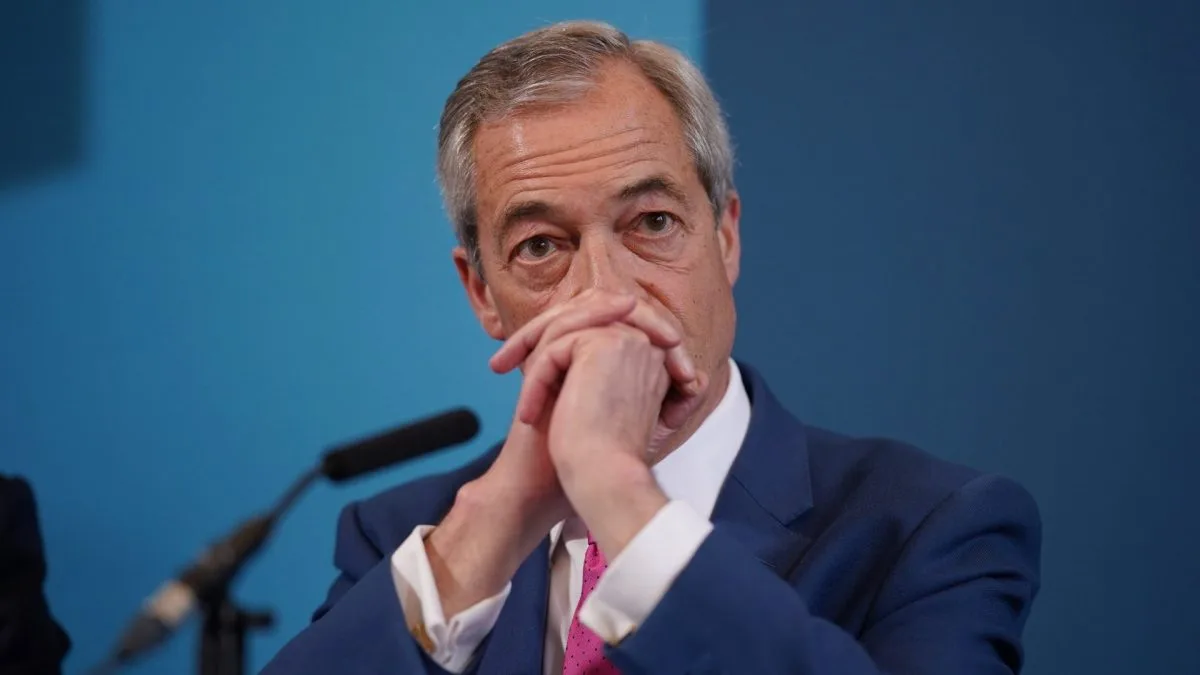
Reform UK has formally committed to maintaining the state pension triple lock if it wins the next general election, leader Nigel Farage confirmed at a press conference on Thursday. The pledge ends months of speculation over the party's position on the mechanism, which guarantees annual pension increases of at least 2.5 per cent, in line with inflation or average earnings, whichever is highest.
Farage said the decision was influenced by concerns for older pensioners on the pre-2016 state pension, who receive significantly less than those on the new system. The full new state pension is worth £241.30 per week, compared to £184.90 for the older version. He argued that many approaching retirement had 'worked and paid into the system' and deserved to 'reap rewards later in life'.
The Reform leader insisted the policy would be affordable thanks to planned 'biggest cuts to the benefits bill ever seen in the history of this country', with details to be announced in the next fortnight. Economics spokesman Robert Jenrick added that pensioners had 'paid in for 30 or 40 years' and deserved protection.

Farage had previously expressed scepticism about the triple lock, hinting in February that its future was 'up for debate' and sidestepping the issue in May 2025. However, he said on Thursday that his earlier comments merely reflected that a decision had not yet been made, not opposition to the policy. 'We have discussed it, and we have debated it, and we've decided it's going to stay,' he stated.
Other major parties also back the triple lock, with Labour committed for the current Parliament, the Conservatives pledging to keep it, and the Liberal Democrats supporting it unconditionally. The Green Party has proposed replacing it with a double lock, rising by the higher of inflation or earnings.