Chancellor Reeves to Unveil Anti-Profiteering Crackdown Amid Iran War Price Surge
Reeves to Crack Down on Profiteering Firms Amid Iran War

Chancellor to Announce Crackdown on Firms Exploiting Iran War Crisis

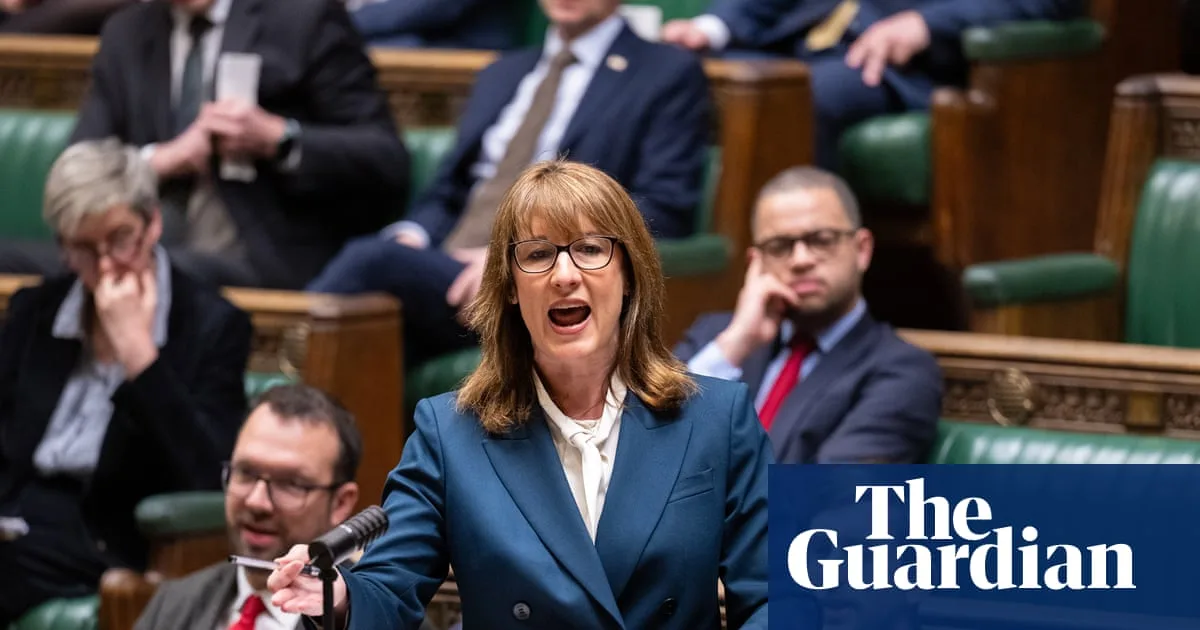
Chancellor Rachel Reeves is poised to unveil a stringent crackdown on companies accused of profiteering from the ongoing conflict in Iran, aiming to shield working families from what she terms "unfair price rises." The announcement will come in a statement to MPs on Tuesday, following an urgent Cobra meeting convened by Prime Minister Sir Keir Starmer on Monday to address the economic fallout from the Middle East turmoil.

Emergency Cobra Meeting Sets Stage for Anti-Profiteering Framework

The emergency Cobra session, attended by top ministers including Energy Secretary Ed Miliband and Bank of England Governor Andrew Bailey, focused on mitigating the economic impact of the Iran war. Downing Street confirmed that Reeves outlined her intention to introduce an "anti-profiteering framework" designed to empower regulators like the Competition and Markets Authority (CMA) to detect and penalise firms engaging in price gouging.

This framework is expected to include time-limited, targeted powers for the CMA, enhancing its ability to root out exploitative practices during the crisis. The Treasury, Department for Business and Trade, and relevant regulators are reportedly working at pace to define these new authorities.

Wide Pickt banner — collaborative shopping lists app for Telegram, phone mockup with grocery list

Energy Diversification and Nuclear Power Emphasis

In her Commons statement, Reeves is also anticipated to advocate for a more diverse energy mix to protect the UK from volatile oil and gas markets exacerbated by the conflict. The effective blockade of the Strait of Hormuz, a critical chokepoint for global oil supply, has triggered price spirals, though markets saw a temporary dip on Monday after former US President Donald Trump claimed negotiations with Iran were underway.

Reeves will stress the importance of removing obstacles to expanding Britain's nuclear power capacity and explore government-backed indemnities for critical energy security projects to ensure construction continues unimpeded by legal challenges.

Starmer Warns of Prolonged Conflict and Strengthens Regulator Powers

Prime Minister Keir Starmer cautioned that Britain must prepare for the Iran war to persist "for some time," despite Trump's assertions of productive talks—a claim Iranian officials have denied. Starmer emphasised the need to bolster the CMA's capabilities, stating the government would not hesitate to grant it "further teeth" to safeguard consumers.

Meanwhile, Energy Minister Michael Shanks rejected calls for increased North Sea drilling, arguing that doubling down on fossil fuels would be "the absolute wrong lesson" from the conflict. He insisted the future lies in building a clean power system to insulate households from global energy shocks.

Intelligence Committee Highlights Iranian Proxy Threats

In a related development, Labour peer Kevan Jones, chair of Parliament's Intelligence and Security Committee, highlighted the Iranian regime's use of proxies for attacks abroad, complicating detection efforts by police. He noted that groups like Ashab al-Yamin, which claimed responsibility for recent attacks on Jewish schools in Amsterdam and Rotterdam, exemplify this tactic, aimed at sowing confusion and fear within communities.

Jones also warned of rising threats from homegrown, UK-based right-wing extremism targeting Jewish communities, underscoring the multifaceted security challenges posed by the conflict.

Government Assures Support and Normalcy Amid Crisis

Minister Shanks assured the public that the government is considering all options for energy bill support, stating "nothing is off the table." He suggested targeted assistance might be prioritised to make the most of limited public funds, while cautioning against missing those on the edge of eligibility.

Shanks further urged motorists to maintain normal driving habits, asserting there is no fuel shortage in the UK and that monitoring indicates supplies remain stable. The UK government confirmed it was aware of, but not involved in, recent US-Iran talks, welcoming any diplomatic efforts toward de-escalation.

Pickt after-article banner — collaborative shopping lists app with family illustration

As the crisis unfolds, Reeves's upcoming announcement marks a significant step in the government's response to economic pressures, blending regulatory action with long-term energy strategy to navigate the turbulent landscape shaped by the Iran war.




