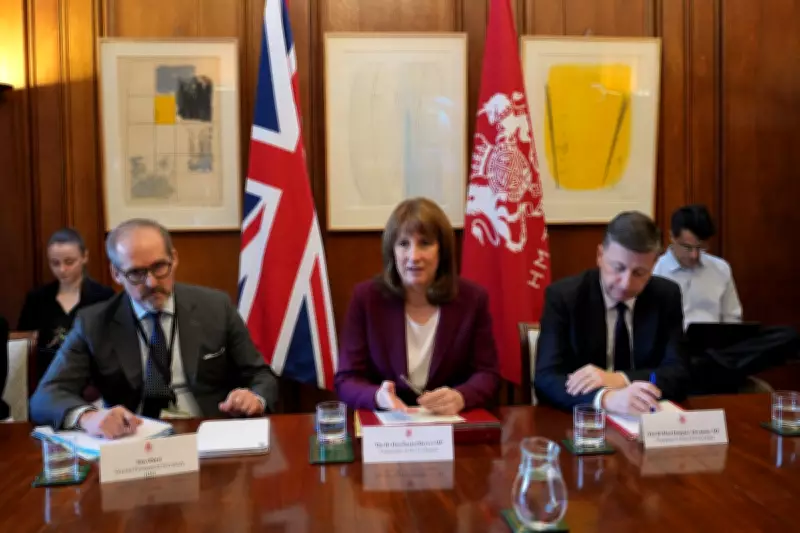
Chancellor Rachel Reeves Reaffirms Commitment to End Windfall Tax in Talks with North Sea Energy Leaders
Chancellor Rachel Reeves has reaffirmed her commitment to end the windfall tax on North Sea oil and gas during high-level discussions with energy industry bosses, while simultaneously warning that the ongoing conflict in the Middle East has created a more uncertain context for policy decisions. The Chancellor hosted a roundtable meeting at 11 Downing Street with senior figures from major firms including BP, TotalEnergies, Serica, Adura, and Offshore Energies UK.
Geopolitical Tensions and Energy Price Volatility
The discussions focused on the significant volatility in gas and oil prices, which have been sent soaring by Iran's threats to block a key shipping route through the Strait of Hormuz. This geopolitical instability has introduced new complexities into the government's energy policy planning, particularly regarding the timeline for ending the energy profits levy.
Following the talks, a Government source stated: "The Chancellor was clear with industry that she wants the energy profits levy to come to an end. She has made that promise and she stands by it. Indeed, it was a commitment she wanted to make this week. But the crisis in the Middle East has had real-time consequences on oil and gas prices and it is right that we respond to this."

Scottish Pressure for Immediate Action
The meeting occurred under significant pressure from Scottish political leaders, with First Minister John Swinney repeatedly insisting it was "utterly essential" for the UK Government to scrap the windfall tax immediately. Speaking during a visit to Inverness, Mr. Swinney argued the tax was negatively impacting investment in the North Sea and costing jobs at an accelerated rate.
"I had hoped it would be removed yesterday in the spring statement," Mr. Swinney told the Press Association. "It hasn't been but the Chancellor is meeting the industry today. I hope that results in the removal of the energy profits levy."
The Scottish First Minister emphasized that the current uncertainty over energy supplies resulting from the Middle East conflict now represented a material consideration for scrapping the charge. Holyrood's Finance Secretary Shona Robison had earlier urged Ms. Reeves to use Wednesday's meeting to announce an end to what she called "this tax on Scotland's energy."
Treasury Position and Investment Mechanism
The Treasury confirmed that Ms. Reeves informed energy bosses that the expected triggering of the energy security investment mechanism in 2027 – which will formally end the windfall tax – "will be welcome" and emphasized her keenness to provide certainty to the sector. However, she highlighted that geopolitical events create a more uncertain context for policy decisions.
The department described the talks as "positive," with ministers working collaboratively with the sector to provide long-term financial certainty and navigate the uncertain period over the coming months. The windfall tax, officially known as the energy profits levy, was originally introduced by the Conservative government following Russia's invasion of Ukraine, which sparked dramatic increases in energy prices worldwide.
Opposition Views and Counterarguments
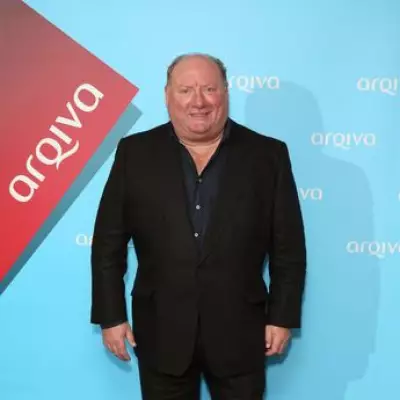
Simon Francis, coordinator of the End Fuel Poverty Coalition, presented a starkly different perspective: "Conflict in the Middle East and rising global gas prices show exactly why the windfall tax remains necessary, not why it should be scrapped. When geopolitical tensions push up prices, energy companies and their shareholders benefit while households face another round of higher bills."
Francis argued that energy firms have made tens of billions in profits in recent years even with the levy in place, and that removing it would not suddenly make energy cheaper or more secure. He contended that "the North Sea is declining because of the geology of an ageing basin, not because companies are paying a fair share of tax."

Government's Broader Energy Strategy
Meanwhile, Energy Secretary Ed Miliband rejected calls for the Government to reverse its ban on new licences for North Sea drilling. Writing on social media platform X, Miliband stated: "Conflict in the Middle East is yet another reminder that the only route to energy security and sovereignty for the UK is to get off our dependence on fossil fuel markets, whose prices we do not control, and on to clean homegrown power we do."
Miliband specifically countered Conservative leader Kemi Badenoch's argument that new North Sea exploration licences could reduce consumer bills, noting they "won't take a penny off bills" because oil and gas are sold on international markets at global prices regardless of their extraction location.
The Treasury maintains that ministers are working closely with the energy sector to establish stable financial frameworks while acknowledging that current geopolitical instability requires careful navigation of policy timelines and implementation strategies.