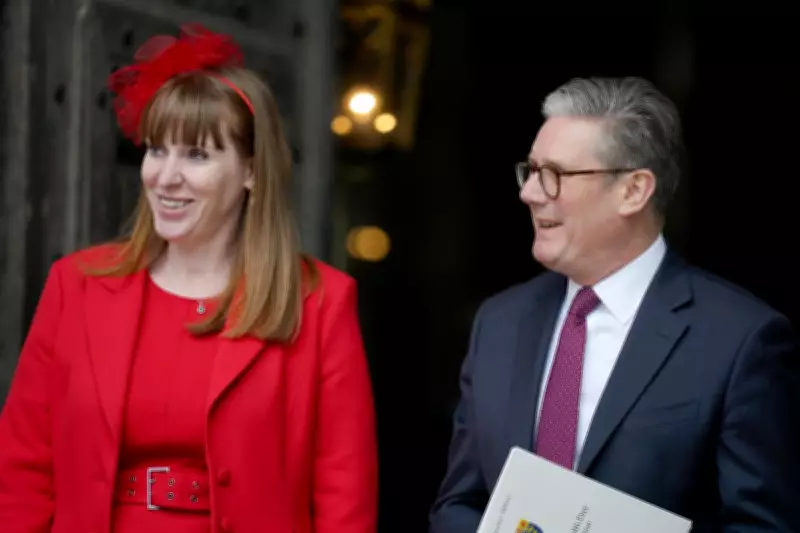
Angela Rayner Declares Full Support for Keir Starmer Amid Leadership Turmoil
Angela Rayner has publicly affirmed her "full support" for Prime Minister Keir Starmer, as speculation intensifies over his leadership following the Epstein-Mandelson scandal. Her statement comes amid a turbulent period for the Labour Party, with internal divisions surfacing just months into Starmer's premiership.
Scottish Labour Leader Calls for Starmer's Resignation
In a stark contrast to Rayner's backing, Scottish Labour leader Anas Sarwar, traditionally a Starmer ally, demanded the Prime Minister's resignation during a press conference in Glasgow on Monday. Sarwar cited the ongoing Epstein-Mandelson scandal as a critical issue undermining public trust and party cohesion.
"The Prime Minister has my full support in leading us to that end," Rayner stated on Monday, urging colleagues to unite and uphold Labour's core values. She emphasized the importance of teamwork and collective action in navigating the current political challenges.

Key Frontbenchers Rally Behind Starmer
Rayner joined several senior Labour figures in defending Starmer's leadership. Notable frontbenchers including David Lammy, Rachel Reeves, and Wes Streeting have publicly rejected calls for his resignation, forming a united front to stabilize the party.
This show of solidarity follows a wave of scrutiny triggered by the Epstein-Mandelson scandal, which has sparked debates over ethical standards and leadership accountability within Labour ranks. The scandal involves alleged connections to controversial figures, raising questions about transparency and governance.
Internal Divisions and Future Implications
The conflicting stances between Rayner's support and Sarwar's resignation demand highlight deep-seated divisions within the Labour Party. Analysts suggest that this internal strife could impact policy-making and electoral prospects, especially with upcoming local elections on the horizon.
As Labour navigates this crisis, the focus remains on whether Starmer can maintain party unity and public confidence. Rayner's call for collaboration underscores the need for a cohesive strategy to address both internal disputes and external pressures.
The situation continues to evolve, with further developments expected as Labour members and stakeholders weigh in on the leadership debate. The outcome may shape the party's direction and its ability to govern effectively amidst growing political tensions.