The Dawn of a New Political Communication Era
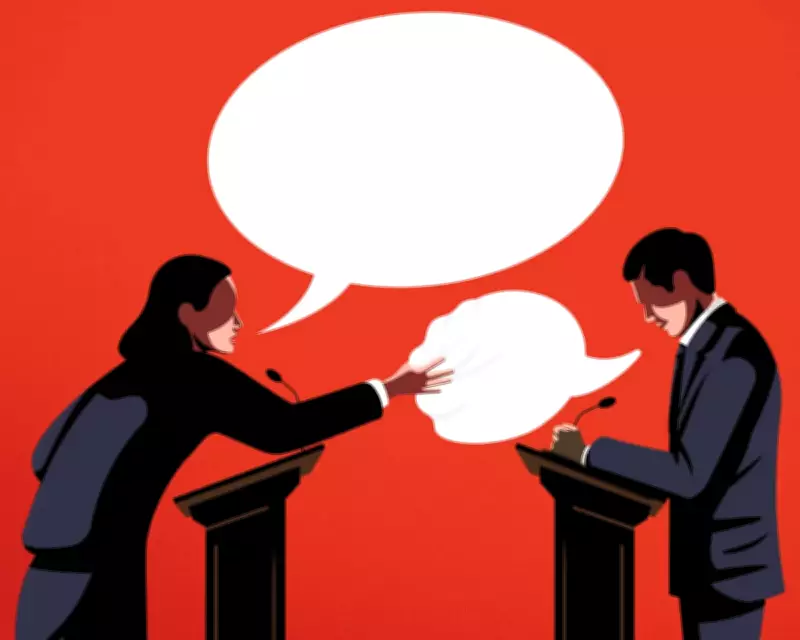
In contemporary politics, a fundamental transformation has occurred in how leaders connect with the public. Gone are the days when voters passively accepted exclusion from political discourse. The era of complex, insider-focused language has been supplanted by a demand for clarity, authenticity, and emotional resonance.
The Rise of Compelling Communicators
Across the political spectrum, figures like Nigel Farage, Andy Burnham, Zack Polanski, Zarah Sultana, and Wes Streeting have demonstrated the power of effective communication. Their styles vary dramatically—from Farage's provocative drawl to Polanski's concise directness and Sultana's intense outrage—yet they share an ability to capture public attention. This marks a departure from the forgettable, jargon-laden speeches that dominated western democracies for decades.
This resurgence of rhetoric as a critical political skill represents a form of liberation for public discourse. While modern communication often manifests in simpler, more conversational formats—quick interventions, digressive statements, or interactive sessions—rather than meticulously crafted formal addresses, its impact is undeniable. Even if Farage were to achieve high office, his utterances might not achieve the anthologised status of Margaret Thatcher's, yet his communicative approach resonates powerfully in today's climate.

The End of Technocratic Complacency
For much of the 1990s through the 2010s, mainstream political speech in Britain and other affluent democracies became increasingly insular and opaque. Laden with terms like "stakeholders," "social cohesion," and "the third way," this language implicitly told voters that governance involved intricate technical matters best left to experts. Politicians addressed the public, but rarely in a manner that genuinely invited understanding or engagement.
This dynamic persisted as long as western economies delivered relative prosperity and improving living standards for the majority. However, the 2008 financial crisis, subsequent wage stagnation, and the ongoing cost of living crisis shattered this complacency. The public's latent appetite for frank political discourse—never entirely extinguished, as evidenced by the enduring appeal of vivid communicators like Tony Benn—swelled into a powerful hunger that has fundamentally altered the political landscape.
Social and Technological Catalysts
Broader societal changes have amplified the value of clear political communication. The decline of deference, the erosion of formal manners, and the rise of uninhibited digital platforms have created an environment where outrageous YouTubers, candid voice notes, unscripted podcasts, and confessional pop music thrive. In this context of intimate-seeming public expression, Keir Starmer's typically formal speeches—while perhaps suitable for delicate diplomatic missions like his recent China visit—can appear anachronistic and alienating to many domestic voters.
Starmer's Communication Conundrum
Many of the Prime Minister's challenges stem from perceived communication deficiencies. Figures like Andy Burnham, Wes Streeting, and Angela Rayner are often viewed as more natural, colloquial, and culturally attuned speakers. They occasionally make politics seem engaging—whether through Rayner's smiling critiques of Conservatives, Streeting's enthusiastic strategising, or Burnham's passionate advocacy for Manchester's transport improvements. In contrast, Starmer's emphasis on "duty" and "government of service" can feel burdensome, echoing the drudgery of everyday life rather than inspiring hope.
Starmer's recent attempt to announce a ground rent cap policy on TikTok highlighted these struggles. His stiff delivery, repetitive phrasing, and constrained gestures suggested a leader uncomfortable with the platform's informal demands. After years of disciplined, cautious language, adapting to this new communicative age may prove exceptionally difficult for him and his most reserved ministers.

The Perils of Rhetoric-Only Governance
While compelling communication is crucial, it cannot constitute the entirety of governance. Essential tasks—policy formulation, strategic planning, internal party management, and implementation oversight—often occur away from the public eye. The exhilarating overthrow of technocratic politics carries a risk: democracies might embrace a politics of mere performance, neglecting substantive governance.
Boris Johnson's tumultuous premiership offered a stark lesson in the limitations of government by rhetoric alone. Yet, the rapid public disillusionment with Starmer's more conscientious administration suggests many voters remain reluctant to confront the scale of national repair required. Technocrats like Starmer mistakenly assume governments need not explain themselves in direct, resonant ways, while populists erroneously claim all governance can be distilled into colourful, simple narratives.
Adapting to a Polarised Landscape
Starmer's communication style reflects a centrist tradition shaped by the belief that conservative interests—big business, financial markets, right-wing media, and certain voter blocs—must be minimally offended. This approach served leaders like Tony Blair electorally in a bygone era. Today, however, conservatives often oppose Starmer regardless of his efforts to emphasise patriotism, pro-business stances, or authoritarian measures. In our increasingly polarised world, populists from both left and right break taboos in their discourse—and frequently rise in the polls as a result.
The government must now find a new voice. This shift may not guarantee political salvation, given the multitude of challenges and adversaries it faces. However, embracing more effective communication could at least ensure Labour re-enters the vital public conversation shaping Britain's future.