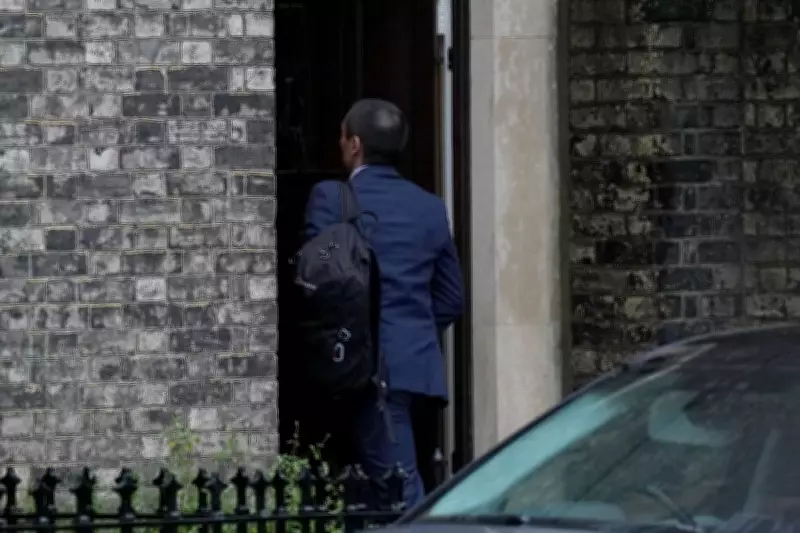
The Metropolitan Police have conducted simultaneous searches at two properties connected to Lord Peter Mandelson as part of a widening investigation into alleged misconduct in public office. The operation, which unfolded on Friday afternoon, targeted addresses in the Camden area of London and in Wiltshire, with officers from the force's central specialist crime team executing search warrants.
Details of the Police Operation
Deputy Assistant Commissioner Hayley Sewart confirmed that the searches are directly related to an ongoing criminal investigation focusing on misconduct in public office offences involving a 72-year-old man. While Lord Mandelson has not been arrested at this stage, police inquiries are continuing actively. Several officers were observed entering the peer's residence near Regent's Park in central London, with witnesses reporting the arrival of individuals carrying equipment including a body camera, a blue box, and a large bag.
Epstein Connection and Alleged Information Sharing
The investigation stems from serious allegations that Lord Mandelson, while serving as Gordon Brown's business secretary during the 2008-2009 financial crisis, shared market-sensitive government information with the convicted paedophile financier Jeffrey Epstein. Documents recently released by the US Department of Justice have revealed the apparent depth of their relationship, with emails from 2009 suggesting sensitive information was transmitted on at least four separate occasions.

One particularly significant email appears to show Lord Mandelson sharing an assessment by Mr Brown's adviser regarding potential policy measures, including details of an "asset sales plan" during the height of the financial turmoil. The Metropolitan Police launched their formal investigation following these revelations about the nature of the correspondence between the former minister and the disgraced financier.
Political Fallout and Government Response
The police investigation has triggered significant political repercussions, with Prime Minister Sir Keir Starmer facing mounting pressure over his decision to appoint Lord Mandelson as ambassador to the United States last year. In a speech delivered on Thursday, the Prime Minister accused the peer of deliberately misleading officials about his relationship with Epstein during the vetting process for what is considered Britain's most prestigious diplomatic posting abroad.
Sir Keir stated that "none of us knew the depth of the darkness" of the association between the two men when the appointment was made and offered a public apology to Epstein's victims for having believed what he characterized as Lord Mandelson's "lies." The UK Government has issued a statement confirming it "stands ready to provide whatever support and assistance the police need" in their investigation.
Document Release and Parliamentary Scrutiny
Facing the threat of a backbench rebellion from Labour MPs, Downing Street agreed on Wednesday to transfer control of releasing documents related to Lord Mandelson's ambassadorial appointment to Parliament's security watchdog, the Intelligence and Security Committee. This decision followed a parliamentary motion demanding full transparency regarding what was known about the peer's relationship with Epstein during the appointment process.
The complete publication of relevant documents may experience delays, as the Intelligence and Security Committee must review any materials the Government wishes to withhold for national security reasons. Additionally, the Metropolitan Police has requested that certain documents be temporarily withheld, expressing concerns that premature release could potentially jeopardize their ongoing criminal investigation.
Lord Mandelson's Position and Internal Labour Pressure
While Lord Mandelson has not made any public statements regarding the police searches or the specific allegations, the BBC has reported that sources close to the peer maintain he did not act criminally and that his actions were not motivated by personal financial gain. Meanwhile, Sir Keir Starmer faces internal party pressure to dismiss his chief of staff, Morgan McSweeney, whom many Labour MPs blame for championing Lord Mandelson's controversial diplomatic appointment despite apparent warning signs.

The unfolding investigation represents one of the most significant police operations involving a senior political figure in recent years, with potential implications for both criminal justice and political accountability. As officers continue their forensic examination of seized materials from both searched properties, further developments are expected in what has become a complex intersection of historical financial crisis decision-making, diplomatic appointments, and alleged misconduct in high office.