Zack Polanski's Green Surge Challenges Reform UK's Dominance in British Politics
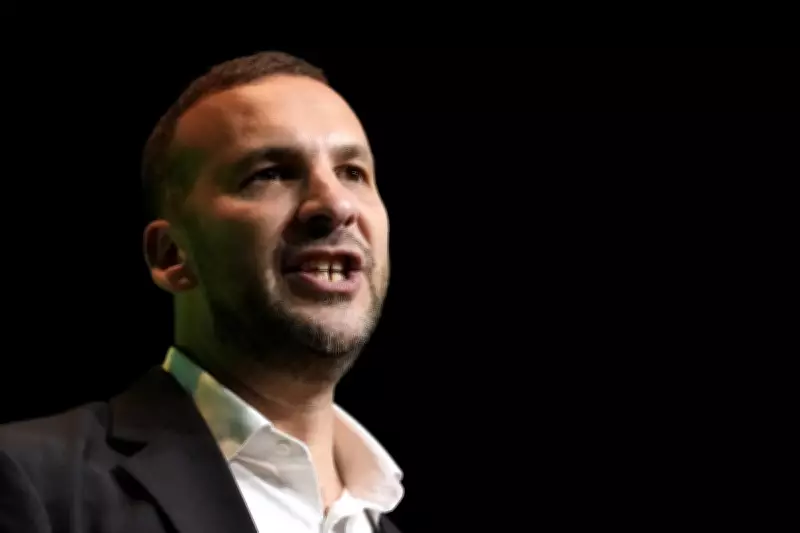
The Green Party leader Zack Polanski has emerged as a formidable force in British politics, with his party's recent electoral success in Gorton and Denton highlighting a potential shift away from the ethno-populism of Reform UK. Despite facing harsh criticism from right-wing commentators and media outlets, Polanski's message of hope and inclusivity appears to be resonating with voters, particularly younger demographics.
Media Backlash and Electoral Triumph
Polanski has been the subject of intense scrutiny and mockery from publications like the Daily Mail, which described his agenda as "sinister, rotten and potentially dangerous." Commentators such as Daniel Hannan ridiculed his appearance and views, dismissing his appeal to younger voters as evidence of their supposed ignorance. However, this criticism failed to prevent Green candidate Hannah Spencer from securing a decisive victory in Gorton and Denton, defeating both Reform UK and Labour candidates.
The election result represents a significant setback for Matt Goodwin and Reform UK, who were widely expected to win. Polanski's ability to connect with voters through broader, more human messaging has challenged the conventional wisdom that ethno-populism is the only viable political strategy in contemporary Britain.

Policy Positions and Public Sentiment
Polanski's Green Party advocates for policies that, while sometimes controversial, align with substantial public opinion. The party's support for wealth taxes to address inequality reflects widespread discontent with economic disparities in late-stage capitalism. Similarly, their stance on decriminalising Class A drugs is backed by polling that shows a majority of people in the UK view substance use disorders as health issues rather than criminal matters.
On environmental issues, the Greens remain committed to Net Zero goals, which enjoy strong public support despite mixed feelings about implementation. Polanski's views on Israel's actions in Gaza, though criticised as extreme, are shared by a significant portion of the British population, with 75% believing Israel had gone too far by the time of last year's ceasefire.
The Limitations of Both Movements
While Polanski has successfully channelled voter disillusionment with mainstream politics, he has yet to develop comprehensive, workable solutions for Britain's most pressing problems. The Green Party's policies require further scrutiny as the general election approaches, particularly regarding their feasibility and implementation.
However, this criticism applies equally to Reform UK, whose policies on migration, welfare, and tax cuts have been described as "back-of-an-envelope" proposals. Nigel Farage's attitudes toward figures like Vladimir Putin and Donald Trump, along with his party's support for fossil fuels and the perceived failures of Brexit, raise serious questions about their political platform.
A New Political Dynamic
For years, British politics has been dominated by Farage's bleak, negative brand of ethno-populism. Polanski represents an alternative: eco-populism that is upbeat rather than downbeat, focusing on environmental issues and social justice rather than demonising migrants and minorities.
The question now is whether the BBC and other media outlets will give Polanski and the Green Party the same level of attention they have afforded Farage and Reform UK. Additionally, it remains to be seen whether Hannah Spencer's infectious verve and humanity can withstand the pressures of Westminster politics.
As British politics enters this new phase, perhaps it is time to move beyond dismissing voters as stupid or Polanski as "barking mad." His dentistry may not be perfect, but his political bite has proven surprisingly effective in challenging the established order.