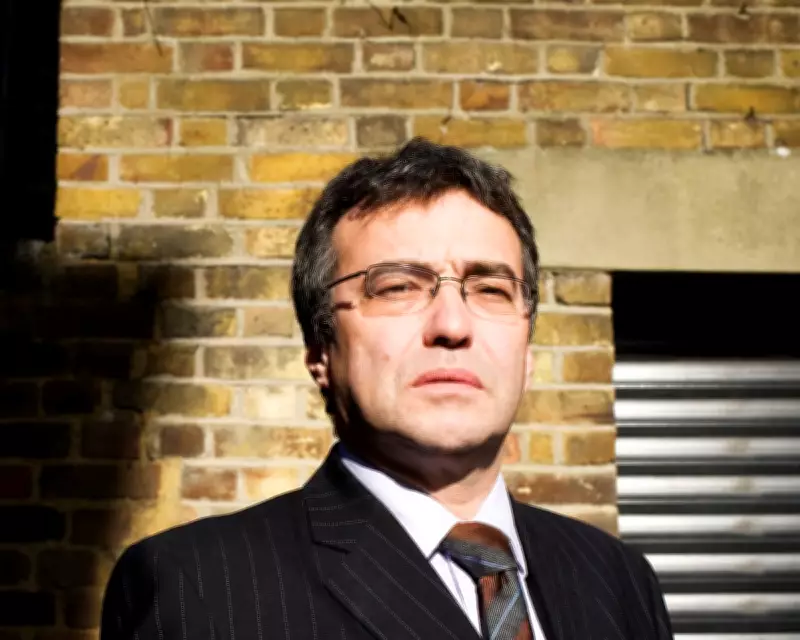
Phil Woolas, Former Labour Minister and Minimum Wage Advocate, Dies at 66
The former Labour minister Phil Woolas, who has died aged 66 from brain cancer, was a dedicated and pragmatic politician. He spent his working life committed to Labour politics, striving to enact societal changes for widespread benefit. Woolas believed his most significant achievement during his 13 years in Parliament, which aligned with the last Labour government's tenure, was his role in introducing the UK's national minimum wage.
From Television Producer to Political Fighter
Born in Scunthorpe, Woolas was the son of Dennis Woolas, a steel mill worker, and Maureen, a school dinner lady. The family moved to Worsthorne near Burnley, where he attended Nelson grammar school. He left at 16 for Nelson and Colne College, becoming active in student politics. After discussing communism with a Polish newsagent who employed him as a paperboy, he was persuaded to join the Labour party and also participated in the Anti-Nazi League.
At Manchester University, where he studied philosophy, Woolas led the student council before graduating in 1981. He was active in the National Union of Students, serving as president from 1984 to 1986. After fundraising for War on Want, he worked in television as a producer at BBC Newsnight and Channel 4 News. He later became head of communications at the GMB trade union, credited with helping modernise the Labour party's image and union operations.

Political Career and Immigration Stance
Woolas won the Oldham East and Saddleworth seat in 1997's Labour landslide. Raised in Burnley and representing an area with significant postwar immigration, he viewed fostering a "mature debate" on immigration policy as his lifelong purpose. He was proud of local Labour policies that countered the British National Party in Oldham, where BNP support in council elections dropped from over 5% in 2004 to 0.5% in 2010.
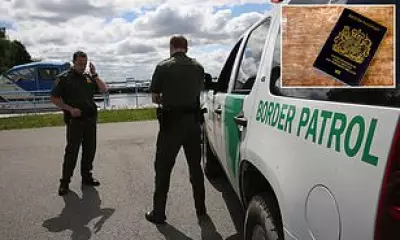
"You don't beat them by pandering to them," Woolas said in 2008 after being appointed minister of state for borders and immigration. "You beat them by thumping them politically in the face." He advocated for tougher immigration policies, never shying from speaking his mind. However, this aggressive approach contributed to his downfall.
Controversial Election and Downfall
After the 2010 election, which he won by 103 votes after recounts, the Liberal Democrat candidate successfully challenged the result under the Representation of the People Act. An election court found Woolas guilty of lying about his opponent in a leaflet written by his election agent. Lord Falconer, the former Labour lord chancellor, called the trial unfair, arguing the judge exceeded existing law.
Woolas had no right of appeal but sought judicial review, winning on one count but losing on two others. He was forced to leave Parliament and banned from standing in the ensuing byelection, which Labour still won. The case garnered sympathy from colleagues across parties, especially after his summary suspension from Labour membership. Woolas remained unrepentant, expressing no regrets despite his career's abrupt end.
Media Persona and Later Life
Woolas was known for his bravery, imagination, and humour, describing himself as "a grafter." His outspokenness often landed him in trouble with the press, earning him labels like "hapless" and "gaffe-prone." He questioned inter-cousin marriages, niqabs in workplaces, and some arranged marriages, while also criticising bottled water as "morally unacceptable." In 2009, he clashed with Joanna Lumley over Gurkhas' rights.
After leaving Parliament, Woolas worked as an environmental consultant and political lobbyist. He was a Manchester United season ticket holder, supported Lancashire cricket club, and enjoyed fishing. He married Tracey Allen in 1988, who survives him along with their sons Josh and Jed, a grandson Callan, his mother, and a brother.
Philip James Woolas, born 11 December 1959, died 14 March 2026, leaving a complex legacy as a politician who fought passionately for Labour values and social justice.