Orgreave Inquiry Chair Declares Miners Will Finally Speak Truth After Four Decades
Former miners are set to break their silence after forty years, as a public inquiry into the infamous Orgreave clashes of 1984 officially launches. Pete Wilcox, the bishop of Sheffield and chair of the inquiry, emphasized that the investigation's core purpose is to enable communities to move on from the traumatic events that have left lasting scars.
Unpacking the 1984 Clashes at Orgreave
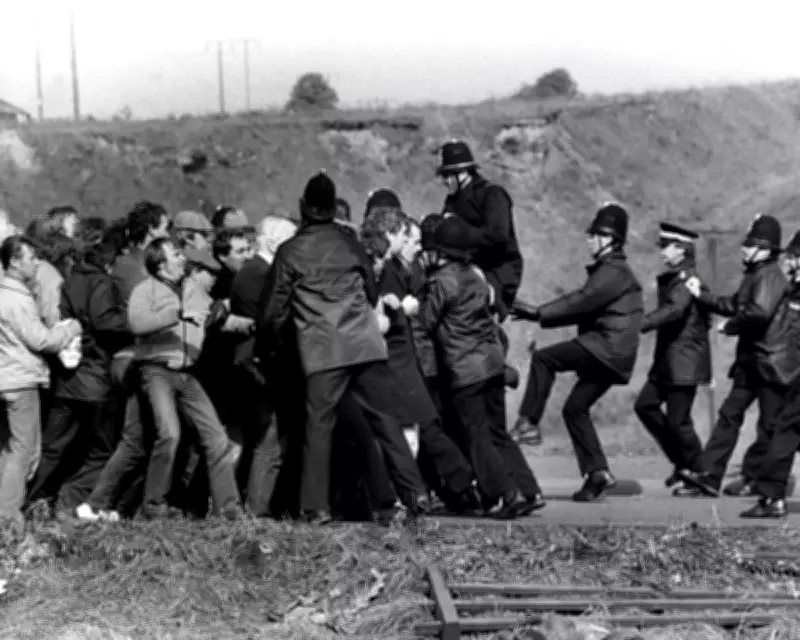
On 18 June 1984, during the National Union of Miners strike over pit closures, striking miners unexpectedly faced a pitched battle against thousands of police officers deployed from forces across the UK. The inquiry, launched by policing minister Sarah Jones in parliament, will scrutinize how 6,000 officers were sent to the Orgreave coking plant picket. Approximately 8,000 people, including miners and their families, experienced what witnesses described as heavy-handed policing, with mounted police charging and striking pickets with batons.
Many sustained injuries, some severe, but the moral injury from the injustice inflicted deeper wounds on South Yorkshire miners and wider working-class communities. This was exacerbated in the following days when the government of Margaret Thatcher and South Yorkshire police shaped media narratives, leaving former miners feeling outraged and despondent over misrepresented experiences.

The Collapse of Charges and Lasting Mistrust
Compounding the injustice, 95 miners were charged with rioting in a case that collapsed after police evidence was deemed unreliable and, in some instances, fabricated. Barrister Michael Mansfield labeled it the biggest frame-up ever. This led to generations of mistrust in authorities, particularly the police, a situation that remains unresolved today.
Wilcox refuted claims that public consciousness has moved on, stating, Nobody in South Yorkshire or in the former mining communities of the north-east is saying we've all moved on. It's easy to say that if you are not part of a community that was impacted in 1984. He stressed that the inquiry aims to help communities still grappling with the aftermath.
Challenges and Strategies in Gathering Evidence
Evidence collection poses significant challenges, as many witnesses or participants have since died. Wilcox acknowledged this, noting that the inquiry might have been more effective thirty years ago but emphasized the urgency now. He said, There are many people who are really happy that the moment has come when they will be able to give their account of what happened at Orgreave. The inquiry will adopt trauma-informed approaches to gather testimony sensitively, considering the frailty of many former miners and police officers.
Wilcox expressed confidence in the accuracy of recollections, citing the vividness of traumatic memories. The inquiry will not rely solely on oral testimony; it will access documentary evidence, audio files, and video files, with statutory powers to compel evidence, including currently embargoed or restricted documents. This will help triangulate witness statements to ensure a truthful narrative.
Police Cooperation and Document Preservation
While some police records, such as those destroyed by Northumbria police recently, present obstacles, Wilcox remains encouraged by expected cooperation from police forces. He noted that South Yorkshire police have retained and digitized their documentary evidence in readiness for the inquiry. Wilcox urged anyone with recollections to come forward, hoping the inquiry will provide answers to long-standing questions and help resolve unresolved trauma.
In summary, the Orgreave inquiry represents a pivotal moment for truth and reconciliation, offering former miners a platform to share their stories after decades of silence and aiming to foster healing in affected communities.