
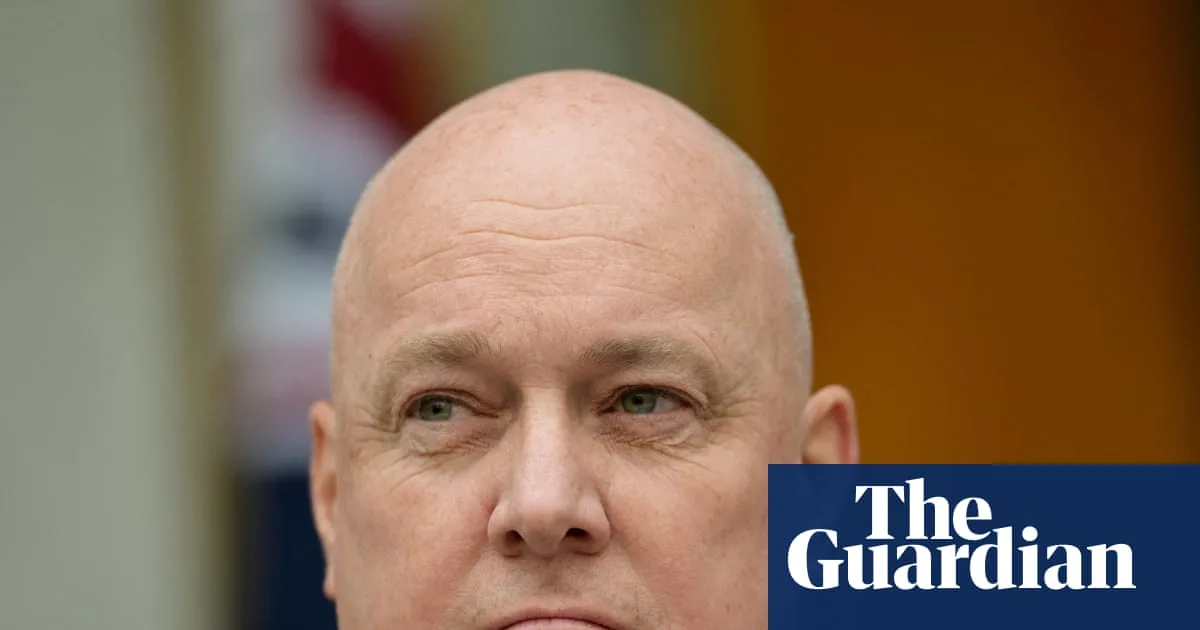
New Zealand Prime Minister Christopher Luxon has survived a tense leadership vote six months before the national election, amid ongoing poor opinion polls and leaks from MPs about alleged leadership challenges. Luxon called for the vote at a caucus meeting on Tuesday morning in Wellington, which lasted over two hours, fuelling speculation about his position.
After the meeting, Luxon delivered a two-minute statement declaring the vote proved support for his leadership, but took no questions. 'I moved a formal motion of confidence in my leadership. That motion was passed, confirming what I have been saying – I have the support of my caucus as their leader,' he said. He condemned reporters for creating what he described as a 'media soap opera'.
Media outlet Stuff reported that MPs were refusing to say if Luxon won the confidence motion with unanimous support. Luxon said he welcomed the press holding him to account, 'but if the media want to keep focusing on speculation and rumour, I am not going to engage'. He added that 'everyday Kiwis will not be losing sleep over political sideshows here in Wellington'.
Luxon did not mention flagging public support. A poll released on Sunday showed just 16% of New Zealanders listed him as their preferred leader, and that his right-wing coalition would have lost if an election were held last week. National has been trending downwards since winning 38% of the vote in 2023.
Concerns from the backbench about Luxon's performance had reached such a level that the National party whip, Stuart Smith, felt obliged to raise the issue and requested a meeting with Luxon, the New Zealand Herald reported last week. Luxon reportedly 'ghosted' Smith, which the Herald called a 'rare and extraordinary' rebuke. Luxon disputed that a meeting was sought.
In March, Luxon shook up his cabinet and re-election team to shore up his leadership and reverse flagging poll results. The centre-right National party leads a coalition government with ACT and New Zealand First, which campaigned on promises to fix the economy battered by recession and stagnation after the Covid pandemic, but recovery has been slow.




