The Uncertain Future of Britain's Most Innovative Council Experiment
As local elections approach across Britain, one of the country's most radical municipal experiments faces an existential threat. The Preston Model, a decade-long left-wing economic initiative that has transformed the Lancashire city through local wealth retention and cooperative enterprises, could unravel completely if Reform UK captures council control.
A Model Under Pressure
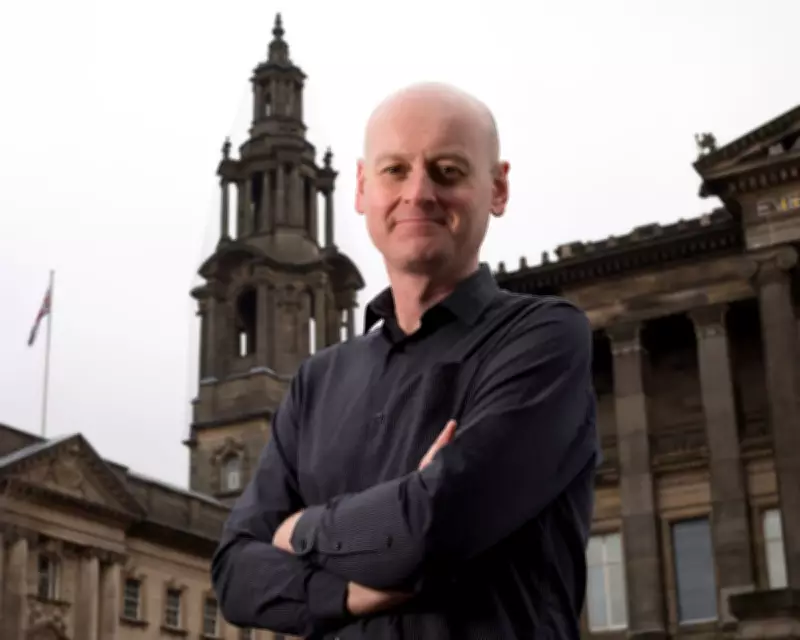
"I think very little of it would survive," Preston council leader Matthew Brown warned in an exclusive interview. "Or a lot of it would move to the grassroots level" - to community organizations enacting social change independently, without council support.
The Preston Model has redirected council spending toward local companies, encouraged higher wages and diversity in businesses, fostered collaboration with public sector institutions, and promoted cooperative enterprises that empower residents. This comprehensive approach has sought to transform what was once a rundown, ex-industrial city dominated by outside corporate interests into a more self-reliant, dynamic, and equal community.

Measurable Success and International Recognition
The model's impact has been documented in surprising ways. In 2023, the prestigious medical journal The Lancet published findings showing that after the council implemented its policies, antidepressant prescriptions and depression prevalence decreased in Preston. Residents experienced a 9% improvement in life satisfaction and an 11% increase in median wages compared to expected trends in similar areas.
Visitors to Preston today find central streets more bustling than many comparable cities, with more independent businesses and better-maintained public spaces. The council has supported diverse initiatives including a cooperatively run yoga studio, a new council-owned cinema, and what Brown describes as "the only cooperatively managed Travellers' site in the country."
Political Vulnerability Despite Success
Despite these achievements, the council finds itself vulnerable to national political trends. During Jeremy Corbyn's leadership in 2018, when Labour loudly supported the Preston experiment, the party held 35 of the city's then 57 council seats. Today, Labour holds only 26 out of 48 seats, giving it a precarious majority of just four.
Next month's elections could see Labour lose seats to the Liberal Democrats, Reform UK, Conservatives, or Greens. The particular threat from Reform UK carries historical weight - last year, the party took Lancashire County Council from Labour control.
Rushing Through Final Initiatives
Before the May elections, the council has hurried through funding assistance for North West Mutual, a new ethical bank planning to launch in 2027. This institution will provide accounts and loans specifically to individuals and businesses in the region while maintaining a more equal pay structure than traditional banks.
Like many Preston initiatives, this localist approach might sound old-fashioned amid global capitalism's restless flows. Yet as Brown notes, global capitalism isn't working well for most Preston residents or people worldwide. The bank draws inspiration from Germany's established regional banking institutions, offering an alternative model as right-wing populism surges in areas with dying high streets and disappearing local pride.
National Labour's Ambivalent Relationship
The Preston Model has attracted international attention and praise from figures like Greater Manchester Mayor Andy Burnham, who says, "We've been inspired by Preston, and everything that Matthew Brown has done."
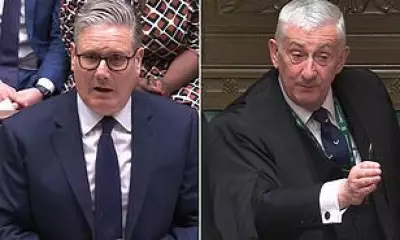
Yet since Corbyn's leadership ended, national Labour interest has been minimal. Under Keir Starmer, the party has generally been incurious and often outright hostile toward promising new policies from the left, despite the Labour right's lack of fresh approaches and the party's urgent need for innovative ideas.
This attitude partly reflects Starmer's scorched-earth approach to anything associated with Corbyn's tenure, but the problem runs deeper. Historically, Labour's centralizing, often conservative hierarchy has viewed bold local government initiatives with suspicion.

Historical Parallels and Philosophical Acceptance
The situation echoes the 1980s, when the national Labour party remained cool toward the popular, Labour-run Greater London Council (GLC) even as it struggled against Margaret Thatcher's dominance. The GLC reshaped London's infrastructure, social attitudes, and identity in radical, lasting ways before Thatcher abolished it in 1986.
Interestingly, Valerie Wise, who chaired the GLC's strongly feminist women's committee, now serves in Brown's administration. "I only came on board because it's radical," she explained.
Brown acknowledges the potential end of his project with philosophical acceptance. "I'm quite philosophical about this coming to an end," he said, noting that eight years leading a reforming council is both unusual and exhausting.
Fighting to the End
Yet the council leader quickly returns to his characteristic upbeat mode. "There was so much more for the council to do," he insists. "We're fighting to win."
With the electorate increasingly fragmented, surprising Labour councils might survive May's elections. Alternatively, as with the GLC, some people, policies, and ideas may carry forward in new forms. The fundamental challenge for conservative approaches, as history shows, is that cities never stand still - they continuously evolve, adapt, and reinvent themselves regardless of political changes at the top.
The Preston Model represents more than just local policy; it embodies a vision of what municipal government can achieve when it prioritizes community wealth, democratic participation, and economic justice. Whether this vision survives the coming electoral test will reveal much about Britain's political direction and the resilience of innovative local governance in challenging times.