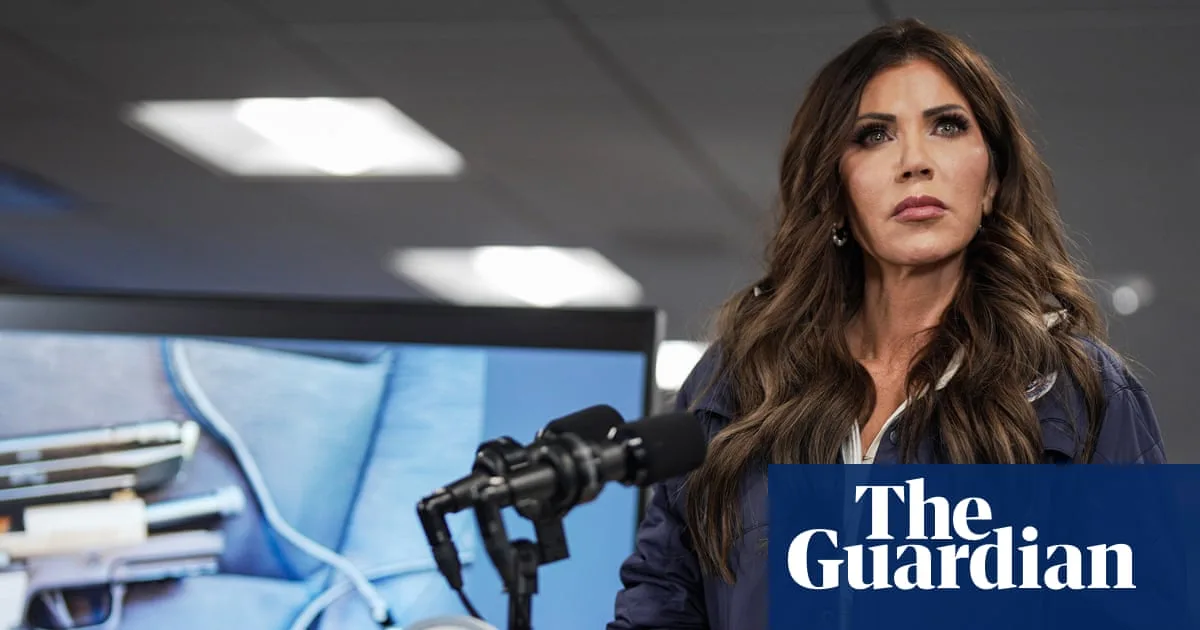
Secretary of Homeland Security Kristi Noem engaged in a lengthy, two-hour meeting with former President Donald Trump in the Oval Office on Monday evening, as political pressure mounted following the controversial fatal shooting of Alex Pretti in Minneapolis. The gathering occurred amidst escalating calls from Democratic lawmakers for Noem's immediate resignation and the launch of formal impeachment proceedings against her.
Political Fallout Intensifies After Minneapolis Incident
The meeting, which also included Noem's aide Corey Lewandowski, took place shortly after Trump dispatched his Border Czar, Tom Homan, to Minneapolis in a significant operational shakeup. This move followed the removal of Border Patrol commander Greg Bovino from the city, amid ongoing unrest surrounding the shootings of both Pretti, a 37-year-old ICU nurse, and another Minneapolis resident, Renee Good.
Noem had personally requested the audience with Trump after publicly defending the federal agent involved in Pretti's shooting. White House Chief of Staff Susie Wiles, Press Secretary Karoline Leavitt, and Communications Director Steven Cheung were also present during the high-stakes discussion.
Diverging Narratives and Domestic Terrorist Label
The Secretary had previously referred to Pretti as a 'domestic terrorist' in comments made on Sunday, a characterisation that Trump appeared to distance himself from. "I don’t like any shooting. I don’t like it," Trump told the Wall Street Journal. During a subsequent briefing, Press Secretary Leavitt emphasised that she had "not heard the president characterise" Pretti in such terms, signalling a potential rift in the administration's public stance.
Impeachment Push and Congressional Investigations
On Capitol Hill, House Democrats have initiated a formal investigation into Noem's conduct, with a substantial 145 members of the party now co-sponsoring an impeachment resolution. The bill alleges that Noem has engaged in self-dealing, obstructed Congress, and violated the public trust. A spokesperson for the Department of Homeland Security dismissed these efforts as "silly," urging Democrats to focus instead on addressing crime issues within their own districts.
Senator Elizabeth Warren has publicly called for the House to impeach Noem and demanded her resignation. Furthermore, the minority party is preparing to launch an independent investigation into Noem's work at DHS without Republican assistance. Across the aisle, Republican Senator Rand Paul has summoned multiple top immigration officials, including Customs and Border Protection Commissioner Rodney Scott, to testify at a hearing scheduled for February 12.
Internal Power Struggles and Policy Divisions
The dispatch of Homan to Minneapolis and the sidelining of Bovino, a loyalist to Noem and Lewandowski, underscores reported internal power struggles within Trump's immigration apparatus. Sources indicate that Homan, advocating for aggressive, enforcement-first mass deportations, views Noem's approach as overly political and slow. In contrast, Noem has pushed for a broader, more aggressive strategy to increase daily deportation numbers, sharing statistics publicly amid pressure to remove up to 1,500 illegal immigrants per day.
This rivalry has reportedly hardened, with many rank-and-file ICE agents and DHS officials aligning more with Homan's hardline leadership style. Bovino's removal from Minneapolis is seen as indicative of Noem's diminishing influence with the White House, as Trump empowers Homan and his allies to take direct control of ground operations.
Oversight and Future Testimonies
Noem is scheduled to testify before the Senate on March 3 as part of regular oversight proceedings. Meanwhile, Tricia McLaughlin, assistant press secretary for DHS, clarified that Bovino has not been fired and remains a "key part of the president’s team." Following Trump's announcement, Noem thanked the president on social media, praising Homan's experience and insight.
The political heat on Noem follows a clear policy adjustment by Trump regarding immigration enforcement in Minneapolis, triggered by the fatal shootings and subsequent protests. The situation remains fluid, with ongoing investigations and heightened partisan tensions defining the landscape.




