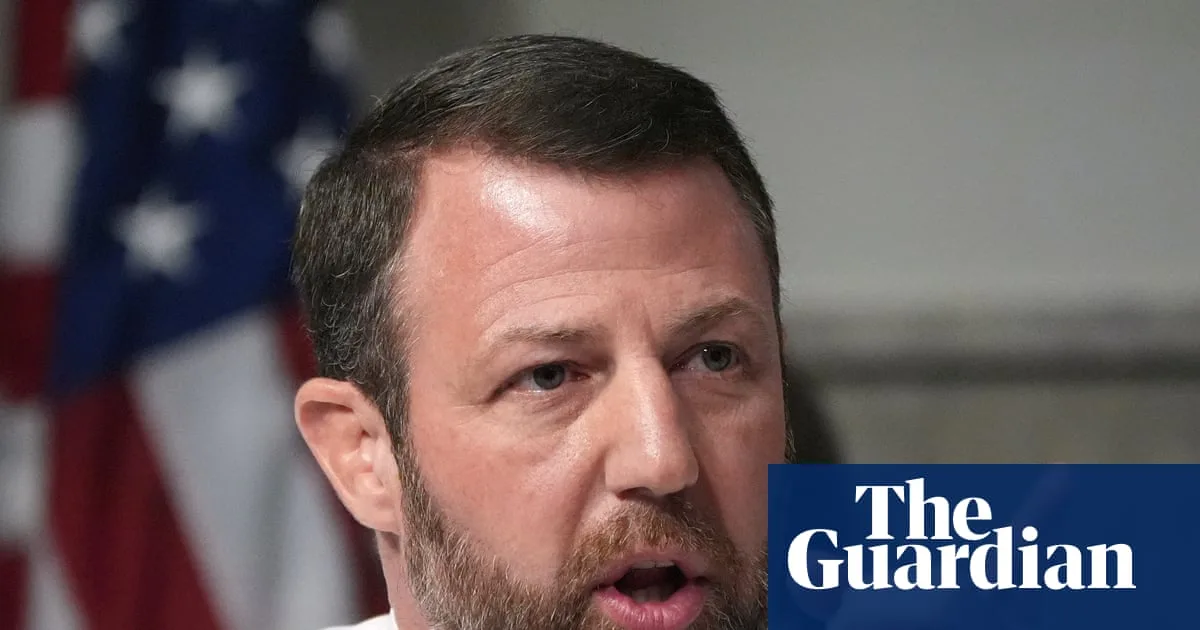
Markwayne Mullin, the Oklahoma senator nominated by Donald Trump to lead the Department of Homeland Security, has never served in the US military but frequently speaks as if he has combat experience. During a Fox News interview two days after the US attacked Iran, Mullin said: 'War is ugly. It smells bad. And if anybody has ever been there and been able to smell the war that’s happening around you and taste it, and feel it in your nostrils, and hear it, it’s something you’ll never forget.'
Mullin later clarified that he was referring to the experience of Defence Secretary Pete Hegseth, not his own. The senator has no military background, having inherited a plumbing company and participated in mixed martial arts fights. According to Axios, he has privately hinted to colleagues about involvement in dangerous private security work in Middle East war zones before entering politics in 2012.
During his nomination hearing on Wednesday, Mullin confirmed under questioning from Democratic Senator Gary Peters that before joining Congress he had never travelled to a foreign country other than for vacation or mission work. However, in a subsequent radio interview, he claimed to have done 'special assignments outside of DoD' and worked alongside contractors in the same areas as military personnel.
This is not the first time Mullin has spoken as if he has been through combat. In a 2021 C-SPAN interview about the January 6 Capitol riot, he said: 'I’ve been in these situations before, similar, not exactly the same.' When asked to explain his background, he replied: 'I would prefer not to.' He also told the interviewer that he had not seen injuries like those of Capitol police officers 'since stuff you see overseas.'
Mullin's past statements have drawn scrutiny as the Senate considers his nomination to replace Kristi Noem as Homeland Security secretary. His confirmation hearing continues amid questions about his credibility and experience.