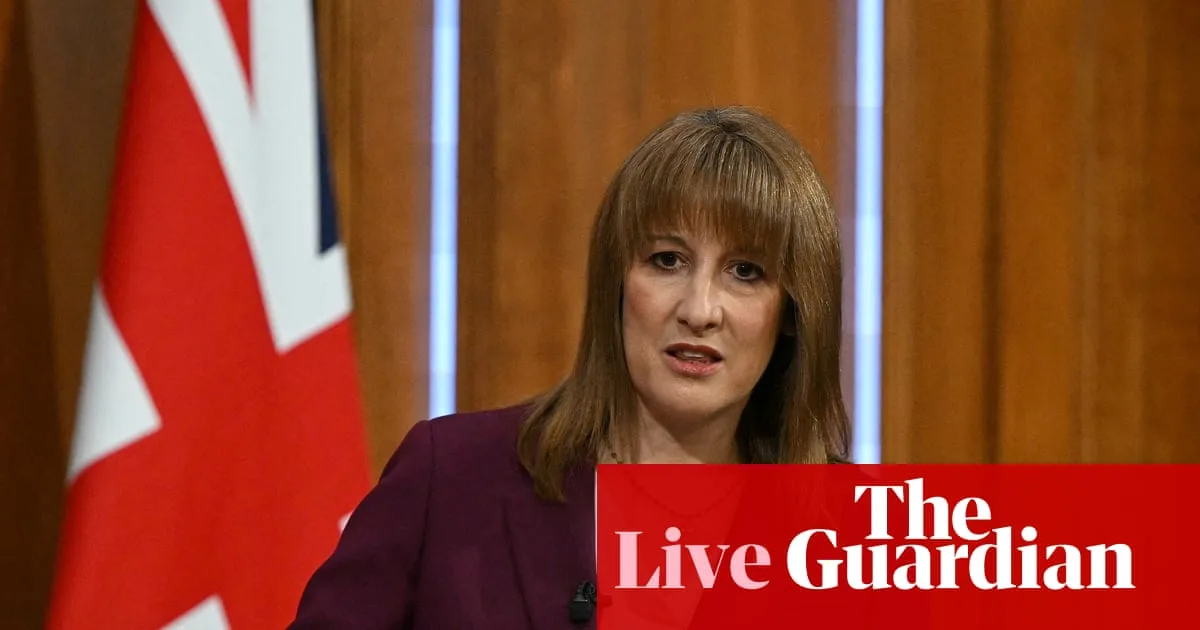
Chancellor Rachel Reeves has indicated she intends to abolish the two-child benefit cap entirely in the upcoming budget, stating that children in larger families should not be penalised. In an interview with BBC Radio 5 Live, Reeves said: “I don’t think it’s right that a child is penalised because they are in a bigger family through no fault of their own.”
The comments mark a significant shift from earlier reports that suggested Reeves would only ameliorate the cap’s impact, possibly by introducing a three-child limit. The Treasury had been considering compromise options, but Reeves’ remarks strongly imply full abolition. The change follows lobbying from former Prime Minister Gordon Brown.
Reeves emphasised the economic costs of unchecked child poverty, saying: “I don’t think we can lose sight of the costs to our economy in allowing child poverty to go unchecked.” She noted that families may have three or four children due to various circumstances, such as chronic illness or bereavement, and should not be penalised as a result.
Prime Minister Keir Starmer has consistently supported lifting the cap, viewing it as the most effective way to reduce child poverty. An ally said Starmer is “adamant that it will dwarf what Blair did to reduce child poverty in government.” The last Labour government under Tony Blair significantly reduced child poverty, and Reeves pledged to continue that legacy.