Two MPs Ordered Out of Commons for Accusing Starmer of Lying Over Mandelson Appointment
In a dramatic session of the House of Commons, two Members of Parliament were ejected after directly accusing Prime Minister Sir Keir Starmer of lying regarding the controversial appointment of Lord Peter Mandelson as US ambassador. The incidents occurred during a Prime Minister's statement on Monday, 20 April 2026, with Commons Speaker Sir Lindsay Hoyle enforcing strict parliamentary rules that prohibit MPs from accusing each other of dishonesty.
Lee Anderson's Defiance and Ejection
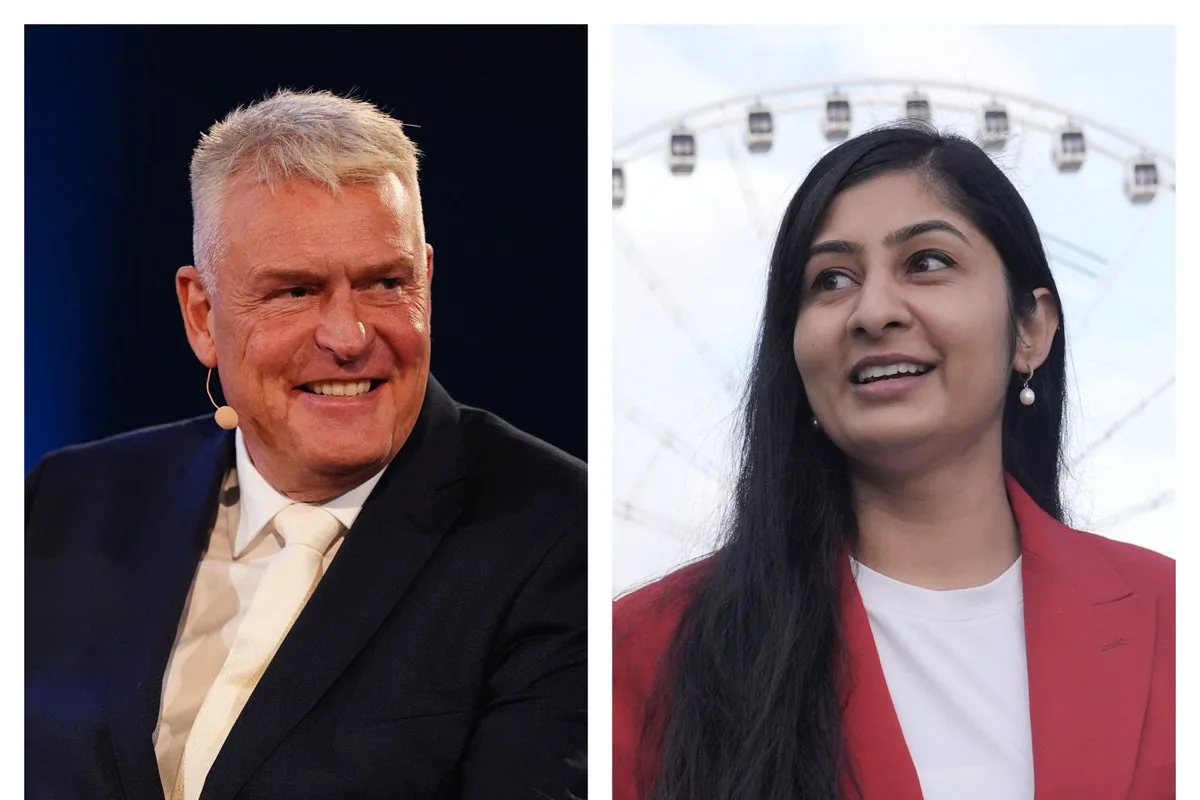
Reform UK MP Lee Anderson, representing Ashfield, was the first to be removed from the chamber. During the debate, Anderson asserted that Sir Keir had "been lying" throughout the unfolding scandal surrounding Lord Mandelson's appointment. He elaborated, stating, "The problem the Prime Minister's got is no one believes him. The public don't believe him. The MPs on this side of the House don't believe him. His own gullible backbenchers don't believe him." When Speaker Hoyle intervened, requesting Anderson withdraw his comments, the MP refused, famously retorting, "That man couldn't lie straight in bed." This defiance led Hoyle to order Anderson to leave the Commons immediately, which he complied with.
Zarah Sultana's Refusal and Suspension
Later in the session, Your Party MP Zarah Sultana, a former Labour member who co-founded her party in July 2025, escalated the accusations. She branded Sir Keir a "bare-faced liar" and accused him of "gaslighting the nation" over the Mandelson affair. Sultana claimed, "We all know that the Prime Minister appointed Mandelson because he owes his job to him. He appointed him, he defended him, and now he claims to know nothing." When Speaker Hoyle offered her the chance to depart voluntarily, she initially refused, stating she had a duty to tell the truth. This led Hoyle to "name" her, a formal procedure that can result in suspension. A vote was held, moved by Government whip Gen Kitchen, and MPs voted in favour of suspending Sultana from the services of the House.
Parliamentary Rules and Precedents
The House of Commons has long-standing rules that forbid MPs from accusing one another of lying or deliberately misleading Parliament. The last MPs to be "named" and suspended were Alba Party members Neale Hanvey and Kenny MacAskill in July 2022, who staged a protest during Prime Minister's Questions in support of Scottish independence. Speaker Hoyle's actions underscore the seriousness with which such breaches are treated, maintaining decorum in parliamentary proceedings.
Starmer's Defence and Timeline of Events
During his Commons appearance, Prime Minister Sir Keir Starmer provided a detailed timeline of the Mandelson appointment, addressing who in the government knew what and when. He revealed it was "staggering" that he was not informed Lord Mandelson had failed security vetting checks conducted by UK Security Vetting (UKSV), the agency responsible for assessments. Starmer stated that Parliament should have been aware of this "a long time ago." He explained that Foreign Office officials had approved Lord Mandelson's developed vetting status, allowing him access to secret information as ambassador, despite UKSV's recommendation against clearance. The Prime Minister emphasised he would not have proceeded with the appointment had he known about the failed check.
Consequences and Accountability
In response to the revelations, Sir Keir took decisive action, effectively firing the Foreign Office's top civil servant, Sir Olly Robbins, after learning last week that Lord Mandelson's vetting status was granted contrary to security advice. However, Starmer accepted personal responsibility for the ultimate decision to appoint the former Cabinet minister to the Washington post. This scandal follows Lord Mandelson's dismissal in September 2025 after disclosures about his relationship with disgraced financier Jeffrey Epstein, adding layers of controversy to the appointment process.
The ejections highlight ongoing tensions in Westminster over transparency and trust, with MPs from opposing parties challenging the Prime Minister's handling of sensitive appointments. As debates continue, the focus remains on accountability and adherence to parliamentary standards in the face of political scrutiny.