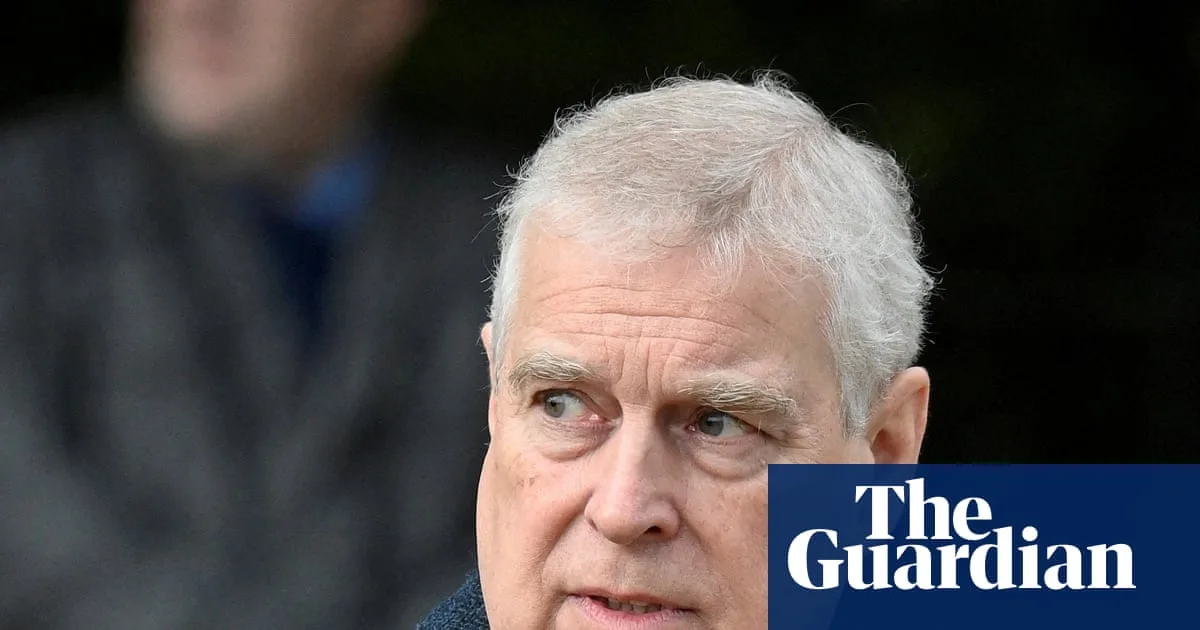
MPs Demand Greater Royal Scrutiny Following Andrew Mountbatten-Windsor Scandal
Westminster is poised to intensify its scrutiny of the Royal Family in the wake of the Andrew Mountbatten-Windsor scandal. Members of Parliament are returning to the House of Commons today after a week-long recess, with a growing clamour for answers regarding the former prince's alleged misconduct.
Investigation and Calls for Transparency
Andrew Mountbatten-Windsor is currently under investigation for reportedly leaking confidential information to convicted paedophile Jeffrey Epstein and other wealthy associates during his tenure as the United Kingdom's trade envoy. As the Commons convenes for the first time since his arrest, MPs from various political parties are preparing to demand explanations about how he represented the nation for a decade with seemingly minimal oversight.
Despite longstanding concerns over his questionable friendships, Andrew was permitted to travel globally at public expense with virtually no restrictions from 2001 to 2011. His downfall has sparked renewed calls for enhanced transparency surrounding the Royal Family, which remains largely exempt from Freedom of Information requests and broader parliamentary scrutiny.
Political Reactions and Proposed Inquiries
Education Secretary Bridget Phillipson recently declined to rule out a judge-led inquiry into the former duke. She stated, 'Our position is that we should keep all of these options open, but we need the police investigation to carry on, so nothing will happen while this police investigation is underway. We do believe all options should be open for consideration. This is extremely serious.'
Traditionally, MPs have been discouraged from criticising the monarchy under conventions outlined in Erskine May, the parliamentary rulebook. However, the Liberal Democrats are contemplating using an opposition day debate tomorrow to force a Commons vote aimed at overhauling these rules. Labour figures have expressed similar sentiments, and a former Conservative minister recently urged that the public be reassured Parliament is taking decisive action.
Criticism of Deference and Calls for Reform
Critics argue that these arcane rules have cultivated a culture of deference that shielded Andrew from proper scrutiny during his time as trade envoy. Liberal Democrat Cabinet Office spokesperson Lisa Smart MP remarked, 'People are increasingly feeling that there's one rule for those in power and another for everyone else. This crisis must trigger a top-to-bottom clean-up operation of public life.'
Labour MP Rachael Maskell also advocated for setting aside conventions, asserting, 'We cannot allow privilege to prevent scrutiny.' Former Liberal Democrat minister Norman Baker concurred, suggesting parliamentary rules need to be 'loosened' to facilitate proper debate in the Commons. He added, 'The Royal Family, whether you're a monarchist or a republican, is part of the public sector. They perform public duties and are paid with public money, therefore they are no different to civil service, a local council or the NHS and they shouldn't be exempt as they have effectively become.'
Royal Response and Further Investigations
King Charles, who has fully supported the police investigation, attempted to mitigate the issues surrounding his brother by stripping Andrew of his titles and evicting him from Royal Lodge in Windsor. Nevertheless, the monarch now faces pressure to account for what the royal household knew about Andrew's conduct. The Mail on Sunday disclosed that the King was warned as early as 2019 that the family name was being 'abused' by Andrew's contacts, via a whistleblower email highlighting secret financial links to controversial financier David Rowland.
Lisa Smart emphasised that full transparency should begin with Andrew testifying before a parliamentary committee once the police inquiry concludes. She also called for a 'full statutory inquiry' to uncover what allowed 'such generational levels of corruption to fester.'
Parliamentary Actions and Future Steps
MPs are expected to raise urgent questions this afternoon regarding removing Andrew from the line of succession and urging the King to release all communications related to Epstein. Any independent inquiry would aim to establish the facts of Andrew's connections with Epstein, as well as broader failures in his role as trade envoy.
Former security minister Tom Tugendhat suggested that the disgraced royal and Labour peer Peter Mandelson, accused of leaking information to Epstein while serving as business secretary, should face a parliamentary treason investigation. He stated, 'Parliament must send a clear message – Britain will defend itself from every threat, even if it comes from the very top.'
The business and trade committee, scheduled to discuss its options tomorrow, is considering launching a parliamentary probe into the former prince. This scandal has undeniably opened the floodgates for a comprehensive re-evaluation of royal accountability and transparency in British public life.






