Moderate Liberals Issue Stern Warning to New Leader on Immigration Direction
Senior moderate figures within the Liberal Party have issued a stark warning to newly elected leader Angus Taylor, urging him to resist adopting hardline, Trump-style immigration policies that could push the party further to the right. The caution comes amid revelations of a controversial draft policy proposing blanket bans on migrants from specific regions.
Leaked Proposal Sparks Internal Backlash
Guardian Australia reported this week on an immigration plan drafted under former leader Sussan Ley, which suggested banning migrants from 37 regions across 13 countries where listed terrorist organisations hold territorial control. The affected regions span nations including Afghanistan, Algeria, Cameroon, Egypt, Lebanon, Libya, Mali, Niger, Nigeria, Palestine, the Philippines, Somalia, and Yemen.
Conservative Liberal senator Leah Blyth immediately voiced concerns, stating the party must be "very careful" to avoid harmful generalisations. "Not everyone from those regions is a terrorist," Blyth emphasised, drawing on her Burmese heritage to illustrate how innocent people suffer under repressive regimes. She advocated for "smart border security" that is "targeted, intelligence-led and focused on risk" rather than blanket measures that might simply redirect bad actors.

Key Figures Distance Themselves from Hardline Measures
Paul Scarr, who served as shadow immigration minister under Ley and helped design parts of the proposal, publicly disowned the country ban aspect on Monday. Scarr clarified he "never agreed" to this element and had "a range of serious concerns" about the policy, confirming he never signed off on it.
South Australian senator Andrew McLachlan echoed these sentiments, warning against adopting One Nation's hardline anti-immigration rhetoric. "Populist rhetoric adds nothing constructive to this discussion," McLachlan asserted. "We should always seek to attract the best and brightest people in the world who want to join us in building an amazing multicultural society. It does not matter what country they come from."
McLachlan further cautioned that the Liberal Party "must resist the calls by some in its ranks to hand over our policy development to One Nation," noting that such a move risks alienating urban electors.
Taylor's Early Signals and Internal Party Tensions
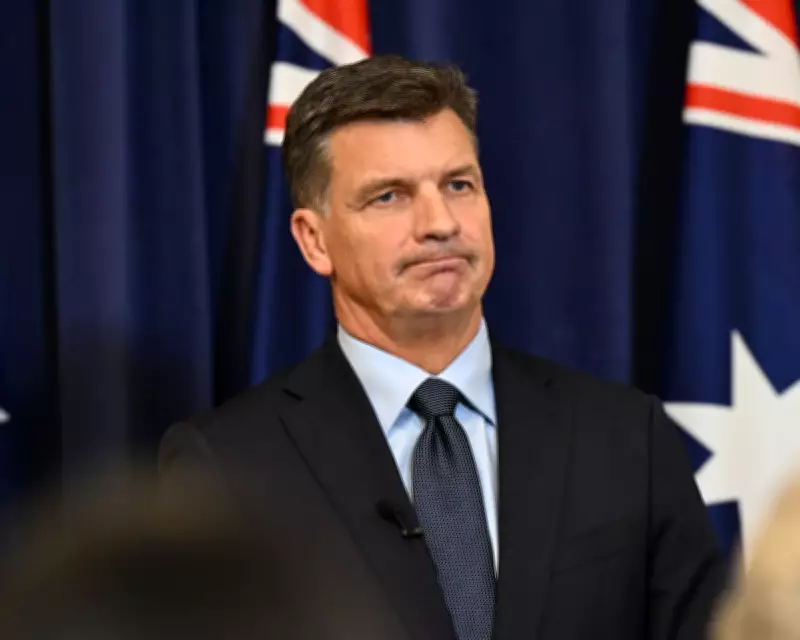
Angus Taylor, freshly elected as opposition leader on Friday, has already indicated the Coalition's intention to slash immigration levels and introduce a new system to "shut the door" on individuals who do not align with Australia's core values, such as basic freedoms and democracy. This potential shift mirrors announcements by the US's second Trump administration, which suspended visa processing for 75 countries in January and banned tourists from 12 nations last June.
One Liberal MP, speaking anonymously, stressed that while restricting migration from certain regions might be considered, the tone in presenting such policies would be crucial. "We don't want to get caught in culture wars, caught in pitting communities against each other," the MP warned. "If you don't get the tone right ... we risk people thinking that our intentions behind our migration policies are racist."
Another Liberal source revealed internal pressure to align more closely with Trump-era policies, specifically mentioning a desire among some to reject people from Muslim countries. However, this source doubted the party would fully embrace such a route.
Fears of a Rightward Shift Under Taylor's Leadership
Concerns are mounting that Taylor's leadership could catalyse a significant rightward shift within the Liberal Party. One senior moderate expressed being "very concerned" about this prospect, noting that the party is now "almost completely driven by people who are very socially conservative."
These worries are compounded by fears that influential right-wing figures, such as former Prime Minister Tony Abbott, might sway Taylor. Abbott recently told the ABC he wished to see immigration policies revert to those of the 1950s to 1970s—an era associated with the White Australia policy.

A fourth anonymous Liberal MP warned that adopting a hardline stance on immigration could prove disastrous for the party's moderate faction. "I don't think they can beat One Nation on immigration," the MP stated. "If you read into what [Jacinta] Price and [Andrew] Hastie say and go down this hardline immigration route, moderates won't survive that."
Broader Implications and Political Strategy
The proposed immigration plan also includes measures to expedite the removal of up to 100,000 asylum seekers and international students from Australia. It would restrict visa holders' rights to appeal immigration decisions and block them from transitioning to other visas.
Under Taylor's leadership, the Liberals aim to reclaim ground from One Nation, which has experienced a surge in opinion polls since the federal election. However, the internal discord over immigration strategy highlights the delicate balance Taylor must strike between appealing to conservative voters and maintaining the party's broader electoral coalition.
The ongoing debate underscores deep divisions within the Liberal Party regarding immigration, multiculturalism, and the future direction of Australian politics. As Taylor consolidates his leadership, his handling of these contentious issues will be closely watched by both party members and the public alike.